6 Signs From Your Body That May Indicate Heart Damage — Symptoms Many Young People Often Ignore
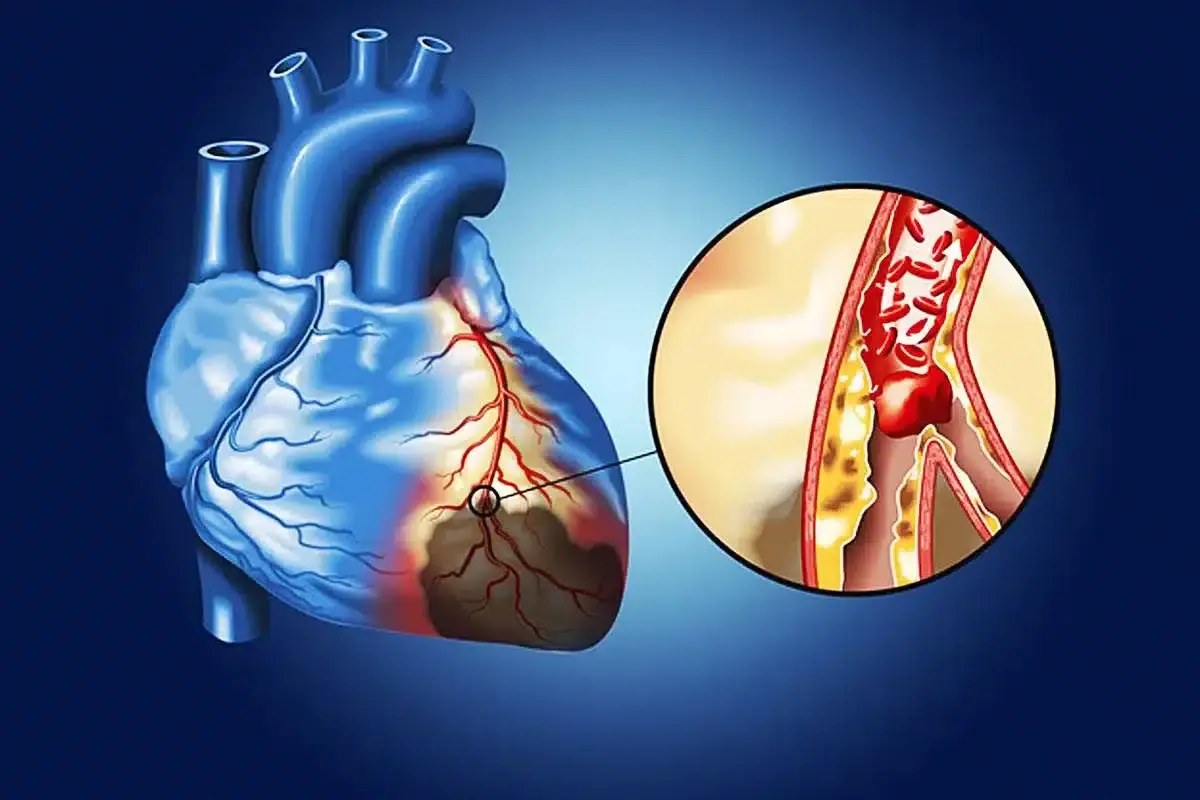
Heart disease is often associated with older adults, but doctors warn that heart problems can also affect younger people — sometimes with subtle symptoms that are easy to dismiss as stress, fatigue, or minor health issues.
According to the American Heart Association, early warning signs of heart damage are not always dramatic. In many cases, the body may begin showing small changes long before a serious cardiac event occurs.
Here are 6 symptoms experts say should never be ignored.
1. Persistent Chest Discomfort
Chest pain is one of the best-known signs of heart problems, but it does not always feel severe.
Some people describe it as:
- Tightness
- Pressure
- Burning
- Heaviness
- Mild squeezing
The discomfort may come and go, especially during physical activity or stress.
The American Heart Association says chest discomfort lasting more than a few minutes or repeatedly returning may require urgent medical attention.
2. Unusual Shortness of Breath
Feeling out of breath after minor activity — or even while resting — can sometimes signal that the heart is struggling to pump blood efficiently.
Symptoms may include:
- Difficulty climbing stairs
- Feeling winded easily
- Breathlessness when lying down
- Waking up short of breath at night
According to Mayo Clinic, unexplained shortness of breath can be an important warning sign of heart disease.
3. Extreme Fatigue

Many young adults blame exhaustion on work, lack of sleep, or stress. However, unusual fatigue can sometimes be linked to reduced heart function.
People may notice:
- Feeling drained after simple activities
- Difficulty concentrating
- Constant tiredness despite rest
- Sudden loss of energy
The Cleveland Clinic notes that persistent fatigue may occur when the heart cannot circulate oxygen-rich blood effectively.
4. Swelling in the Legs, Feet, or Ankles
When the heart struggles to pump properly, fluid may begin accumulating in the body.
Possible signs include:
- Swollen ankles
- Puffy feet
- Tight shoes
- Leg heaviness
This condition, known as edema, may sometimes indicate heart failure or circulation problems.
Doctors say swelling that appears repeatedly or worsens over time should be evaluated.
5. Irregular Heartbeat or Palpitations
Occasional skipped beats are common, but persistent heart palpitations may signal an underlying heart issue.
People often describe:
- Racing heartbeat
- Fluttering sensations
- Pounding in the chest
- Feeling like the heart “skips” beats
The National Heart, Lung, and Blood Institute explains that some arrhythmias can increase the risk of serious complications if left untreated.
6. Dizziness or Fainting
Feeling dizzy, lightheaded, or faint may happen when the brain is not receiving enough blood flow.
This symptom may be linked to:
- Abnormal heart rhythms
- Low blood pressure
- Reduced heart pumping ability
Doctors warn that fainting episodes should never be ignored, especially if accompanied by chest pain or shortness of breath.
Why Young People Often Miss the Warning Signs

Health experts say younger adults frequently overlook heart-related symptoms because they assume heart disease only affects older individuals.
Common reasons symptoms get ignored include:
- Stressful lifestyles
- Busy schedules
- Assuming symptoms are anxiety-related
- Lack of regular health checkups
- Believing they are “too young” for heart problems
However, risk factors such as smoking, obesity, poor diet, high blood pressure, diabetes, and lack of exercise can affect people at any age.
When to Seek Medical Attention
You should consider seeing a doctor if symptoms:
- Persist for days or weeks
- Become more frequent
- Interfere with daily activities
- Occur together
- Include chest pain or fainting
Early diagnosis may help prevent more serious complications later.
Final Thoughts
Heart damage does not always begin with dramatic symptoms. Sometimes the body sends subtle warning signs that are easy to dismiss — especially in younger adults.
Paying attention to unexplained fatigue, chest discomfort, swelling, breathing problems, or irregular heartbeat may help identify heart issues earlier.
Doctors emphasize that listening to your body and seeking timely medical advice can play an important role in protecting long-term heart health.