A mini-stroke, medically known as a transient ischemic attack (TIA), is often described as a temporary blockage of blood flow to the brain. Although the symptoms may disappear within minutes or hours, a mini-stroke should never be dismissed as harmless.
In many cases, a TIA acts as an important warning sign that a major stroke could happen in the future. Some people fully recover from the temporary symptoms and assume the danger has passed, but doctors consider a mini-stroke a medical emergency because it may signal underlying circulation problems or blood vessel disease.
Recognizing mini-stroke symptoms early and seeking immediate medical attention may help reduce the risk of permanent brain damage, disability, or future stroke complications.
What Is a Mini Stroke?
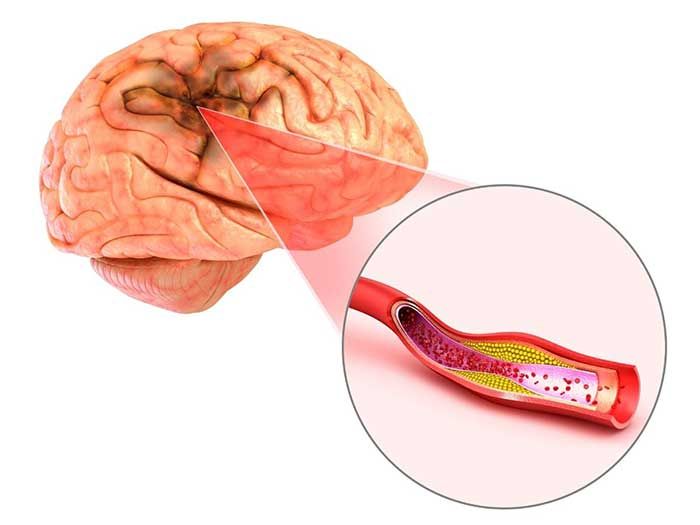
A mini-stroke occurs when blood flow to part of the brain becomes temporarily interrupted.
Unlike a major stroke, the blockage clears quickly, so symptoms often resolve completely within a short period of time.
However, even temporary loss of blood flow may indicate serious problems involving:
- Blood vessels
- Circulation
- Blood clots
- Heart function
A TIA is often considered a “warning stroke.”

Why Mini Strokes Are So Important
Many people ignore mini-strokes because symptoms disappear.
This can be dangerous.
A mini-stroke may occur days, weeks, or months before a major stroke.
Studies show that stroke risk is significantly higher shortly after experiencing a TIA.
Early medical care may help:
- Identify the cause
- Prevent future strokes
- Reduce long-term complications
What Causes a Mini Stroke?
Mini-strokes usually happen when blood flow to the brain becomes briefly blocked.
Possible causes include:
- Small blood clots
- Narrowed arteries
- Plaque buildup
- Irregular heart rhythms
- High blood pressure
The brain depends on constant oxygen-rich blood flow.
Even short interruptions may affect brain function quickly.
Common Mini-Stroke Symptoms
Symptoms usually appear suddenly.
They may last:
- A few minutes
- Up to several hours
Even if symptoms disappear completely, emergency medical evaluation is still important.
1. Sudden Weakness on One Side of the Body
One of the most common warning signs is sudden weakness affecting:
- The face
- Arm
- Leg
This often occurs on only one side of the body.
People may notice:
- Difficulty lifting an arm
- Drooping facial muscles
- Trouble walking
- Loss of coordination
Sudden one-sided weakness is a major warning sign.
2. Facial Drooping
The face may suddenly appear uneven.
Possible signs include:
- One side of the mouth drooping
- Uneven smile
- Difficulty controlling facial muscles
This symptom may be subtle at first but should never be ignored.
3. Trouble Speaking
A mini-stroke may temporarily affect speech and language areas of the brain.
People may experience:
- Slurred speech
- Difficulty finding words
- Confusion while speaking
- Trouble understanding others
Speech problems that appear suddenly require urgent medical attention.
4. Sudden Vision Problems
Blood flow interruptions may affect vision.
Possible symptoms include:
- Blurred vision
- Double vision
- Temporary blindness in one eye
- Sudden vision loss
Vision changes may occur suddenly and disappear quickly.
5. Dizziness and Balance Problems
Some mini-strokes affect parts of the brain responsible for balance and coordination.
People may feel:
- Dizzy
- Unsteady
- Unable to walk normally
- Off-balance
These symptoms may be mistaken for fatigue or inner-ear problems.
6. Sudden Severe Headache
Although more common in certain stroke types, sudden severe headaches may occasionally occur during a TIA.
Especially concerning headaches are:
- Sudden
- Intense
- Unusual compared to previous headaches
Headaches accompanied by neurological symptoms require emergency evaluation.
7. Numbness or Tingling
Sudden numbness may affect:
- The face
- Arms
- Legs
This symptom usually appears on one side of the body.
Temporary numbness should never be ignored, even if it improves quickly.
Why Symptoms Often Go Ignored
Many people delay seeking care because:
- Symptoms disappear
- They feel normal afterward
- They assume it was stress or fatigue
This is one of the biggest dangers of mini-strokes.
The disappearance of symptoms does not mean the underlying problem has been resolved.
The FAST Warning Method
Doctors often use the FAST method to help identify stroke symptoms quickly.
F — Face Drooping
Is one side of the face uneven?
A — Arm Weakness
Does one arm drift downward?
S — Speech Difficulty
Is speech slurred or strange?
T — Time to Call Emergency Services
Immediate medical care is critical.
Quick action may save brain tissue and lives.
Risk Factors for Mini Strokes
Several conditions may increase TIA risk.
These include:
- High blood pressure
- Diabetes
- Smoking
- High cholesterol
- Obesity
- Heart disease
- Sedentary lifestyle
- Excess alcohol intake
Age also increases stroke risk.
High Blood Pressure and Stroke Risk
Hypertension is one of the strongest stroke risk factors.
High blood pressure may:
- Damage blood vessels
- Promote plaque buildup
- Increase clot risk
Regular monitoring and control are extremely important.
Heart Problems and Blood Clots
Irregular heart rhythms such as atrial fibrillation may increase stroke risk because blood clots can form in the heart and travel to the brain.
Heart health and brain health are closely connected.
Smoking and Blood Vessel Damage
Smoking damages:
- Arteries
- Circulation
- Blood vessel flexibility
It also increases clotting risk and inflammation.
Avoiding smoking is one of the most important stroke-prevention strategies.
How Doctors Diagnose Mini Strokes
Doctors may use:
- Brain imaging scans
- Blood tests
- Ultrasound studies
- Heart monitoring
- Blood pressure evaluation
Even if symptoms disappear, testing helps identify hidden risks.
Treatment After a Mini Stroke
Treatment depends on the underlying cause.
Doctors may recommend:
- Blood pressure management
- Cholesterol control
- Blood thinners
- Lifestyle changes
- Diabetes management
The goal is preventing future strokes.
Healthy Habits That May Reduce Stroke Risk
Lifestyle changes may help support circulation and brain health.
Helpful habits include:
- Regular exercise
- Balanced nutrition
- Avoiding smoking
- Managing stress
- Sleeping well
- Maintaining healthy weight
Small daily habits may significantly affect long-term vascular health.
The Brain Depends on Fast Action
Brain tissue is extremely sensitive to oxygen loss.
Even temporary blood flow interruptions may increase future risk.
Immediate medical care improves the chances of:
- Identifying causes
- Preventing future strokes
- Reducing long-term complications
When to Seek Emergency Help
Call emergency services immediately if symptoms include:
- Sudden weakness
- Facial drooping
- Speech problems
- Vision loss
- Severe dizziness
- Sudden confusion
Never wait to “see if symptoms go away.”
The Emotional Impact of Mini Strokes
A TIA may also affect emotional well-being.
People may experience:
- Anxiety
- Fear of future stroke
- Stress
- Loss of confidence
Supportive medical care and healthy lifestyle changes may help reduce uncertainty.

Final Thoughts
Mini-strokes are temporary, but their warning message can be extremely serious. Symptoms such as facial drooping, one-sided weakness, speech difficulties, dizziness, vision changes, and numbness should never be ignored - even if they disappear quickly.
A transient ischemic attack may be the body’s early signal that a larger stroke risk is developing.
Recognizing symptoms early, seeking immediate medical care, and addressing underlying risk factors may help protect brain health, reduce complications, and potentially prevent a future major stroke.