The feet are often overlooked when people think about heart health, yet they may sometimes provide important clues about circulation problems and cardiovascular disease. Because the feet are farthest from the heart, they are especially sensitive to changes in blood flow. When arteries become narrowed or circulation weakens, symptoms may first appear in the lower legs and feet.
Many people ignore early circulation-related symptoms because they develop gradually and may seem harmless at first. Cold feet, numbness, leg cramps, or slow-healing wounds are often blamed on aging, fatigue, or standing too long. However, in some cases, these symptoms may reflect reduced blood flow caused by narrowed arteries or cardiovascular problems.
It is important to remember that foot symptoms alone do not automatically mean someone has heart disease. Many conditions can affect the feet. However, persistent circulation-related symptoms should never be ignored, especially in people with risk factors such as diabetes, smoking, high blood pressure, or high cholesterol.
Understanding how the feet may reflect circulation and heart health can help people recognize potential warning signs earlier.
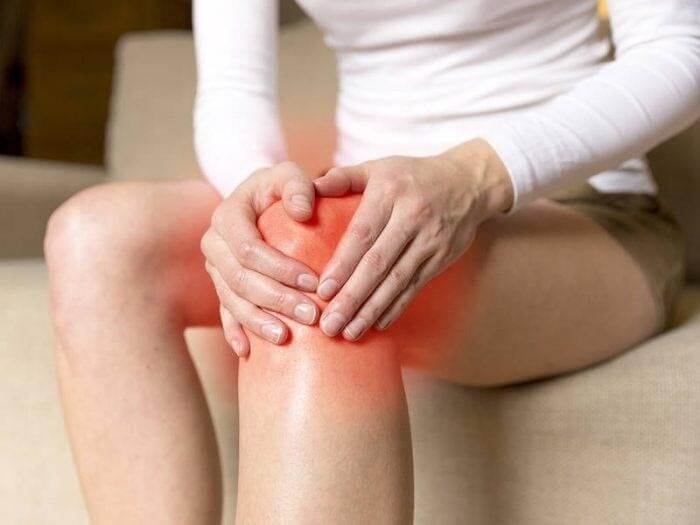
The Connection Between the Heart and the Feet
The heart pumps oxygen-rich blood through arteries to every part of the body.
Healthy circulation depends on:
- Strong heart function
- Flexible arteries
- Good blood flow
- Healthy blood vessels
The feet rely on tiny blood vessels and long circulation pathways to receive oxygen and nutrients.
When blood flow becomes restricted, the feet may be among the first areas affected.
What Are Clogged Arteries?
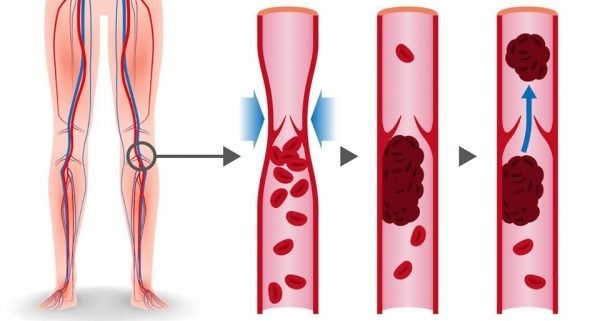
Clogged arteries occur when fatty deposits called plaque build up inside blood vessels.
This process is known as:
- Atherosclerosis
Plaque buildup may:
- Narrow arteries
- Reduce circulation
- Limit oxygen delivery
- Increase blood clot risk
Over time, severe blockage may increase the risk of:
- Heart attack
- Stroke
- Peripheral artery disease (PAD)
What Is Peripheral Artery Disease?
Peripheral artery disease is a circulation disorder in which narrowed arteries reduce blood flow to the limbs, especially the legs and feet.
PAD is strongly connected to cardiovascular disease.
People with PAD often have higher risk of:
- Heart disease
- Stroke
- Heart attack
The condition may develop slowly over many years.
1. Cold Feet
One of the most common circulation-related symptoms is persistently cold feet.
Poor circulation may reduce warm blood flow to the extremities.
People may notice:
- Feet that stay cold even in warm environments
- Difficulty warming the feet
- One foot colder than the other
Cold feet can also result from:
- Nerve problems
- Thyroid disorders
- Anxiety
- Diabetes
However, chronic circulation problems should not be ignored.
2. Numbness or Tingling
Reduced blood flow may affect nerves and tissue oxygen levels.
Possible symptoms include:
- Tingling sensations
- Pins-and-needles feelings
- Numbness
- Reduced sensation
These symptoms may become more noticeable:
- While walking
- At night
- During cold weather
Circulation-related numbness often develops gradually.
3. Leg Pain While Walking
Pain or cramping in the legs during walking is one of the hallmark symptoms of peripheral artery disease.
This condition is called:
- Claudication
Symptoms may include:
- Calf pain
- Thigh discomfort
- Foot cramping
- Muscle tightness during activity
The pain often improves with rest because muscles require less oxygen when inactive.
4. Slow-Healing Wounds
Healthy blood flow is essential for tissue repair and healing.
Poor circulation may lead to:
- Slow-healing cuts
- Persistent sores
- Foot ulcers
- Increased infection risk
Wounds on the feet that heal slowly deserve prompt medical attention, especially in people with diabetes.
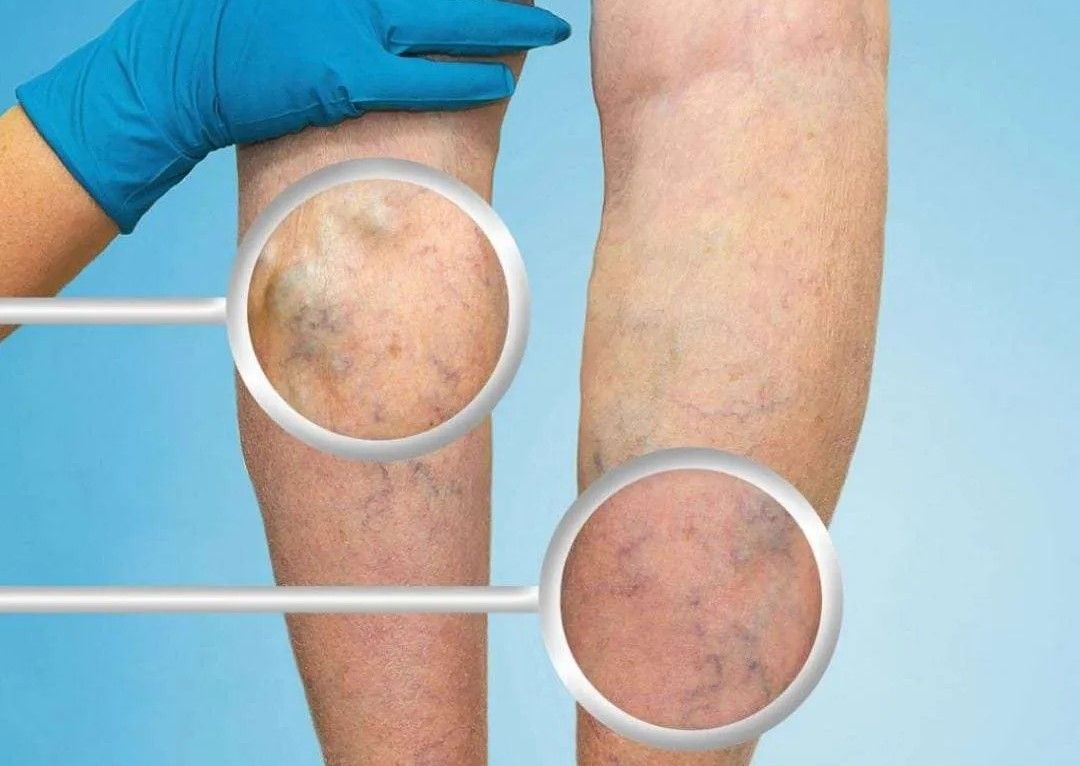
5. Changes in Skin Color
Reduced circulation may sometimes alter skin appearance.
Possible changes include:
- Pale skin
- Bluish color
- Redness
- Darkened areas
Poor oxygen delivery may affect skin tone in the feet and toes.
6. Weak or Absent Pulse in the Feet
Doctors sometimes check pulses in the feet to evaluate circulation.
Weak pulses may suggest:
- Narrowed arteries
- Reduced blood flow
- Peripheral artery disease
Poor pulses may indicate significant vascular narrowing.
7. Hair Loss on the Legs or Feet
Reduced circulation may affect hair growth because hair follicles require oxygen and nutrients.
People with poor blood flow may notice:
- Thinning hair on the legs
- Reduced hair growth on feet or toes
Although this symptom alone is not diagnostic, it may occur alongside other circulation signs.
8. Shiny or Thin Skin
Poor circulation may gradually affect skin texture.
Possible changes include:
- Thin skin
- Smooth shiny appearance
- Fragile skin
- Increased dryness
Reduced blood supply may limit healthy tissue maintenance.
9. Swelling in the Feet and Ankles
Swelling may occur for many reasons, including:
- Poor circulation
- Heart failure
- Vein problems
- Kidney disease
When the heart struggles to pump efficiently, fluid may accumulate in the lower legs and feet.
Persistent swelling should be medically evaluated.
Why Heart Health and Foot Symptoms Are Connected
The circulatory system functions as one interconnected network.
Problems affecting arteries in the legs often reflect broader vascular disease elsewhere in the body.
Someone with narrowed leg arteries may also have:
- Coronary artery disease
- Carotid artery disease
- Increased cardiovascular risk
This is why foot circulation symptoms should never be ignored.
Major Risk Factors for Clogged Arteries
Several factors increase the risk of circulation problems.
These include:
- Smoking
- Diabetes
- High blood pressure
- High cholesterol
- Obesity
- Sedentary lifestyle
- Aging
Smoking is especially damaging because it narrows blood vessels and harms artery walls.
Diabetes and Foot Circulation Problems
Diabetes may damage both:
- Blood vessels
- Nerves
This may increase the risk of:
- Poor circulation
- Foot ulcers
- Infections
- Delayed healing
Careful foot monitoring is extremely important for people with diabetes.
How Doctors Evaluate Circulation Problems
Doctors may use:
- Pulse examination
- Blood pressure comparisons
- Ultrasound studies
- Angiography
- Imaging scans
Early detection may help reduce complications.
Lifestyle Habits That Support Circulation
Healthy habits may help protect blood vessels and circulation.
Helpful strategies include:
- Regular walking
- Exercise
- Balanced nutrition
- Avoiding smoking
- Managing blood pressure
- Controlling blood sugar
- Maintaining healthy cholesterol levels
Physical activity may improve circulation efficiency over time.
Foods That May Support Heart and Artery Health
Many experts recommend diets rich in:
- Fruits
- Vegetables
- Whole grains
- Healthy fats
- Fiber
- Nuts
- Fish
Reducing ultra-processed foods and excess saturated fat may support vascular health.
When to Seek Medical Attention
Medical evaluation is important if symptoms include:
- Leg pain while walking
- Persistent numbness
- Foot wounds that do not heal
- Severe swelling
- Sudden color changes
- Cold feet with pain
Early treatment may help prevent serious complications.
The Importance of Prevention
Artery disease often develops gradually over many years.
Healthy daily habits may help:
- Protect blood vessels
- Improve circulation
- Reduce heart disease risk
Small lifestyle improvements may make a significant long-term difference.
Final Thoughts
The feet may sometimes reveal important warning signs about circulation problems, clogged arteries, and overall heart health. Symptoms such as cold feet, numbness, leg pain while walking, slow-healing wounds, skin changes, and swelling may reflect reduced blood flow and vascular strain.
Although these symptoms can have many causes, persistent circulation-related changes should never be ignored - especially in people with cardiovascular risk factors.
Paying attention to the body’s warning signs, maintaining healthy habits, and seeking medical care when necessary may help support both circulation and long-term heart health.