A hot, red, swollen heel accompanied by fever also requires prompt assessment because infection or another serious condition may be present.
People with diabetes or reduced sensation should seek prompt advice for new foot wounds, spreading redness, swelling, or other signs of infection.
Do not assume that severe or unusual heel pain is simply plantar fasciitis. Early assessment can help prevent complications and ensure that the correct treatment is started.
15. How Long Does Morning Heel Pain Take to Improve?
Recovery time depends on the cause, severity, and duration of the problem.
Some mild cases of mechanical heel pain improve within a few weeks after aggravating activities are reduced and appropriate footwear or exercises are introduced.
Plantar fasciitis, however, can take several months to settle. Symptoms may fluctuate, with periods of improvement followed by flare-ups after unusually long walks, extended standing, or a sudden increase in exercise.
Achilles tendinopathy can also require a gradual rehabilitation program over several months, particularly when symptoms have been present for a long time.
Stress fractures have a different recovery process and may require a period of protected weight-bearing before normal activity can resume.
The important point is that the same recovery timeline does not apply to every cause of heel pain.
Trying to accelerate recovery by continuing high-impact activity despite worsening symptoms may prolong the problem. At the other extreme, avoiding all movement for an extended period without medical guidance may not be necessary for many common mechanical conditions.
A balanced approach involves identifying the cause, adjusting activities appropriately, following a suitable rehabilitation plan, and increasing activity gradually as symptoms improve.
If pain does not respond as expected, the diagnosis or treatment strategy may need to be reconsidered.
16. Can Morning Heel Pain Be Prevented?
Not every cause of heel pain can be prevented, but several habits may reduce the likelihood of common mechanical problems.
Increase exercise gradually. Avoid sudden jumps in running distance, training intensity, or the amount of time spent walking. Give the body time to adapt to new demands.
Choose appropriate footwear. Wear shoes that fit well and provide suitable cushioning and support for your activities. Replace footwear when it becomes excessively worn.
Stretch and strengthen appropriately. Calf flexibility and foot strength may help some people tolerate activity more comfortably. Exercises should match your needs and be performed without forcing painful movements.
Break up long periods of standing. If possible, alternate standing with sitting or walking, change positions regularly, and use comfortable footwear.
Pay attention to early symptoms. Mild discomfort that repeatedly appears after activity may be a signal to review training loads, shoes, or recovery time before the problem becomes more persistent.
Manage underlying health conditions. Diabetes, inflammatory disease, circulation problems, and other medical conditions may influence foot health. Follow your clinician's recommendations and seek advice when symptoms change.
Maintain a sustainable activity routine. Regular movement supports general health, but activities should be adjusted when pain develops.
Prevention is not about avoiding every movement that places pressure on the heel. The feet are designed to tolerate daily loading. The aim is to balance activity, recovery, strength, and appropriate support.
17. Why You Should Not Ignore Persistent Heel Pain
Because heel pain is common, it can be tempting to dismiss it as a minor inconvenience. Some people continue working, running, or standing for long hours, hoping the discomfort will eventually disappear.
Sometimes it does. But persistent pain may indicate that the tissue is not tolerating the current level of stress or that another condition needs attention.
When pain changes the way a person walks, they may begin placing more weight on the opposite foot or altering the movement of the ankle, knee, or hip. These compensations can create additional discomfort elsewhere.
Ongoing pain can also limit exercise, reduce mobility, and interfere with work or sleep.
The solution is not necessarily an expensive treatment or a complicated medical procedure. Many common cases respond to conservative care. However, the treatment needs to match the cause.
A person with plantar fasciitis may benefit from a stretching and strengthening program. Someone with an Achilles tendon problem may need a different loading strategy. A person with a stress fracture may need to protect the bone rather than continue exercising.
Treating every type of heel pain in exactly the same way can delay recovery.
Paying attention to the location, timing, and severity of symptoms can help you decide when to seek advice. If pain keeps returning, worsens, or limits normal activity, an assessment is a sensible next step.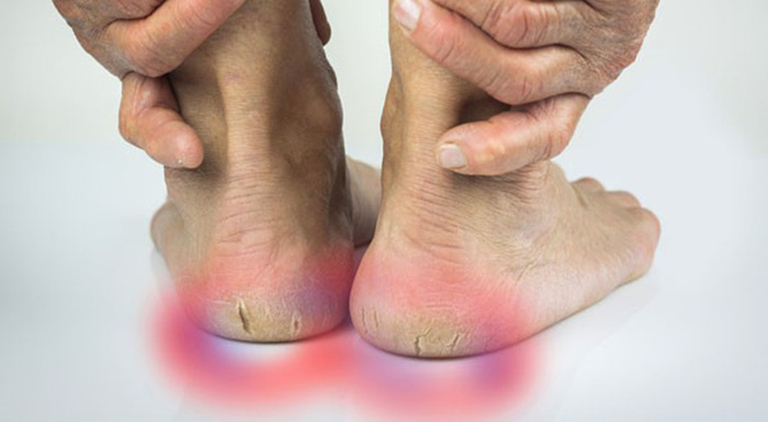
Conclusion: Listen to What Your Heels Are Telling You
Morning heel pain can be frustrating, especially when the first few steps after waking up feel far more painful than expected. For many people, the cause is plantar fasciitis, a common condition involving the tissue that supports the arch of the foot. Other possibilities include Achilles tendon problems, heel fat-pad irritation, stress fractures, nerve compression, and inflammatory conditions.
The timing of the pain offers useful clues. Discomfort beneath the heel during the first steps of the morning often fits the pattern of plantar fasciitis. Pain at the back of the heel may suggest an Achilles tendon problem, while deep central heel pain can sometimes indicate irritation of the heel's cushioning tissue. Persistent or worsening pain, however, cannot be diagnosed reliably from symptoms alone.
The good news is that many common causes of heel pain improve with appropriate care. Supportive footwear, temporary adjustments to aggravating activities, gentle stretching, strengthening exercises, and a gradual return to normal movement can help many people recover.
At the same time, it is important to recognize when professional assessment is necessary. Severe pain after an injury, inability to bear weight, sudden loss of tendon strength, fever with a red or swollen heel, or new foot wounds in someone with diabetes should not be ignored.
You do not need to panic every time your heel hurts. But recurring morning pain is worth paying attention to, particularly when it continues for weeks or begins interfering with daily life.
Your feet support nearly every step you take. Giving them appropriate care, recognizing early symptoms, and seeking medical advice when needed can help preserve comfort, mobility, and an active lifestyle for years to come.