Most Stomach Cancers Are Detected Late: 5 Symptoms After Meals You Shouldn’t Ignore
Stomach cancer is one of the most dangerous digestive diseases—not because it’s untreatable, but because it’s often discovered too late. Early symptoms are subtle, easily mistaken for common digestive issues like indigestion or gastritis.
The key is awareness. Especially what happens after eating.
Why Stomach Cancer Is Often Missed Early
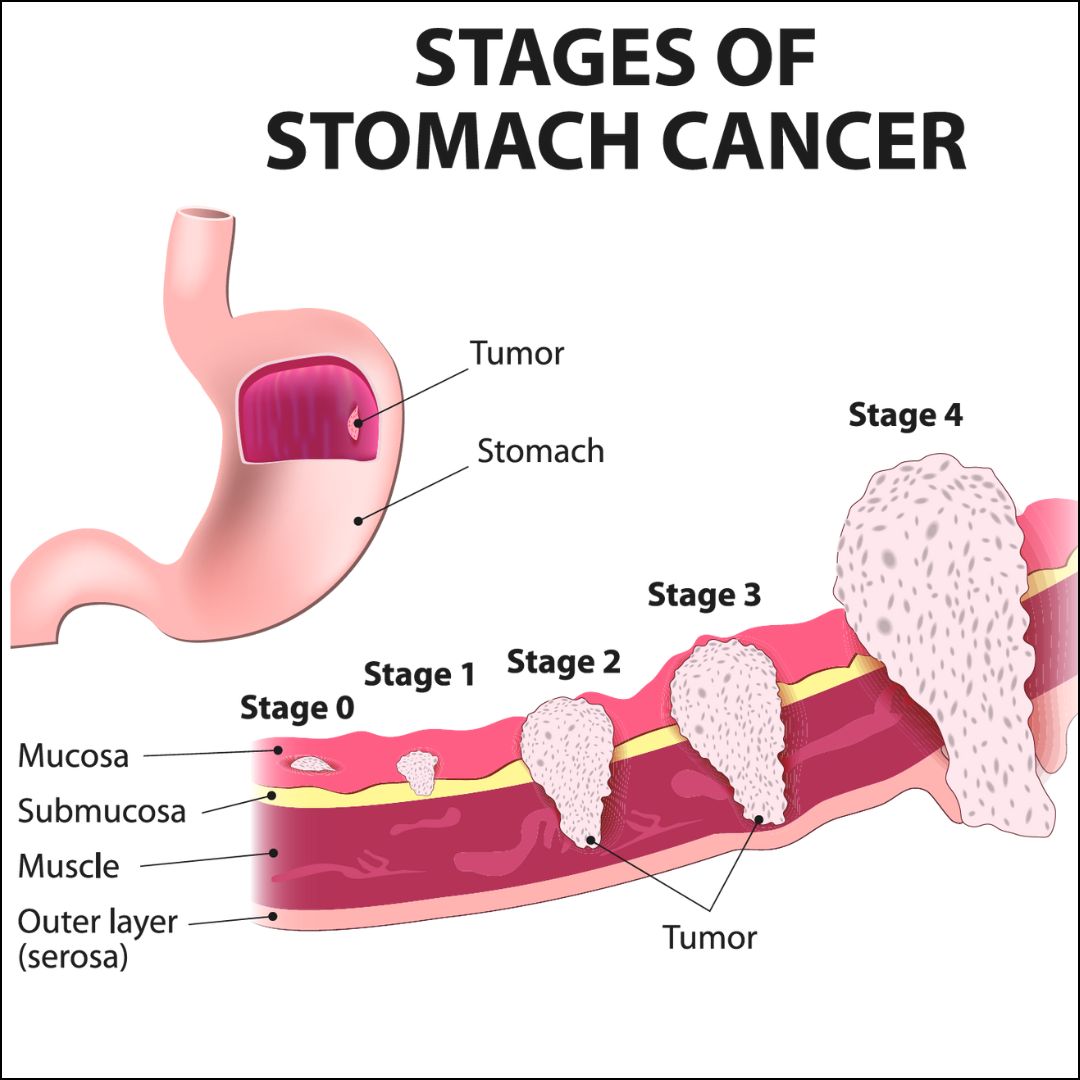

In early stages, stomach cancer may not cause obvious pain. Instead, it affects:
- Digestion
- Appetite
- Nutrient absorption
That’s why many people ignore symptoms—until they become severe.
5 Symptoms After Eating That Could Be Warning Signs
1. Persistent Fullness After Small Meals
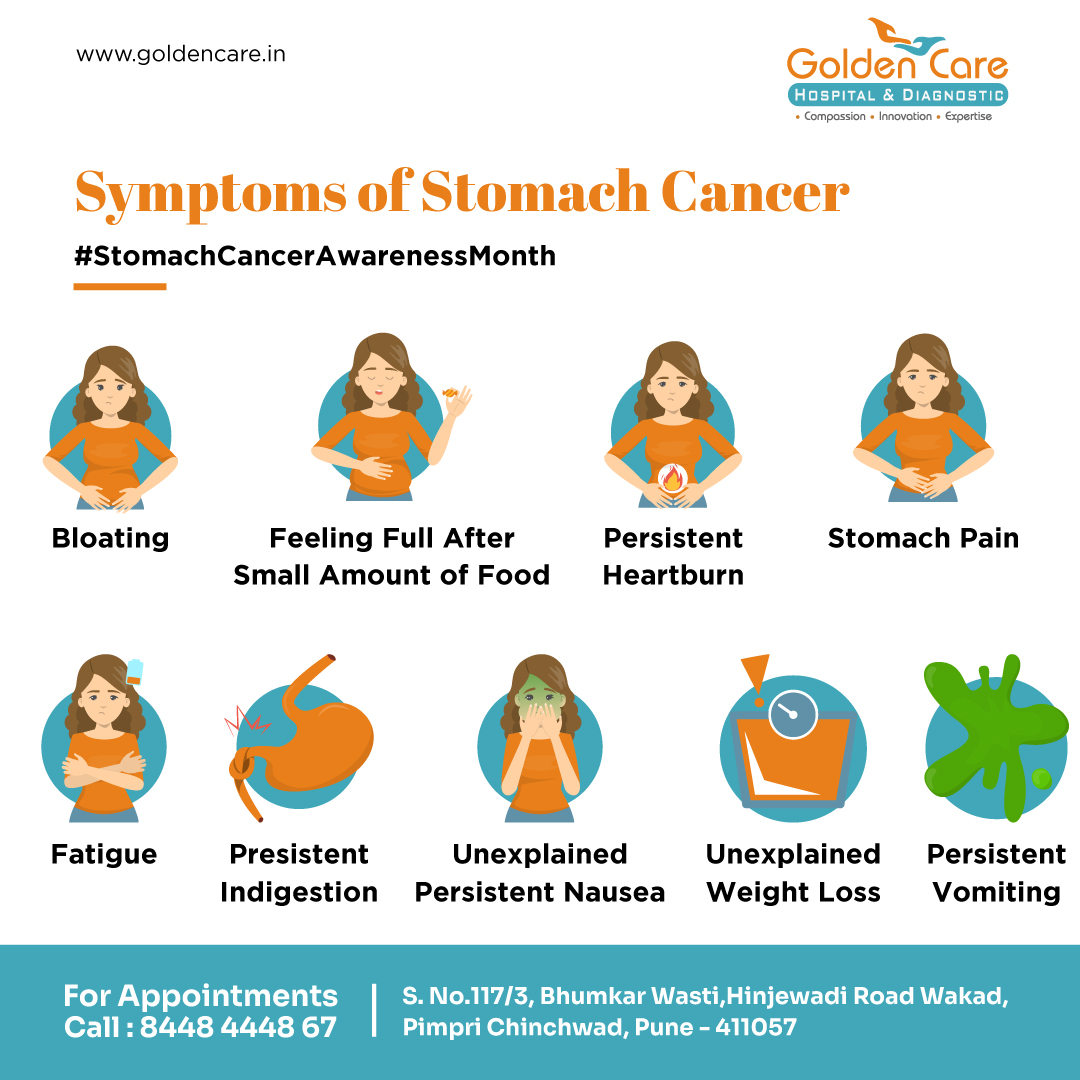

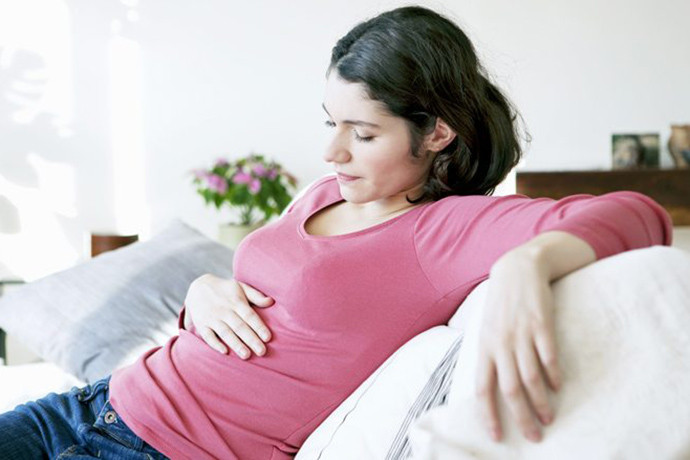
Feeling full after just a few bites is not normal.
Possible cause:
- Tumor affecting stomach capacity or movement
2. Ongoing Indigestion or Burning Sensation

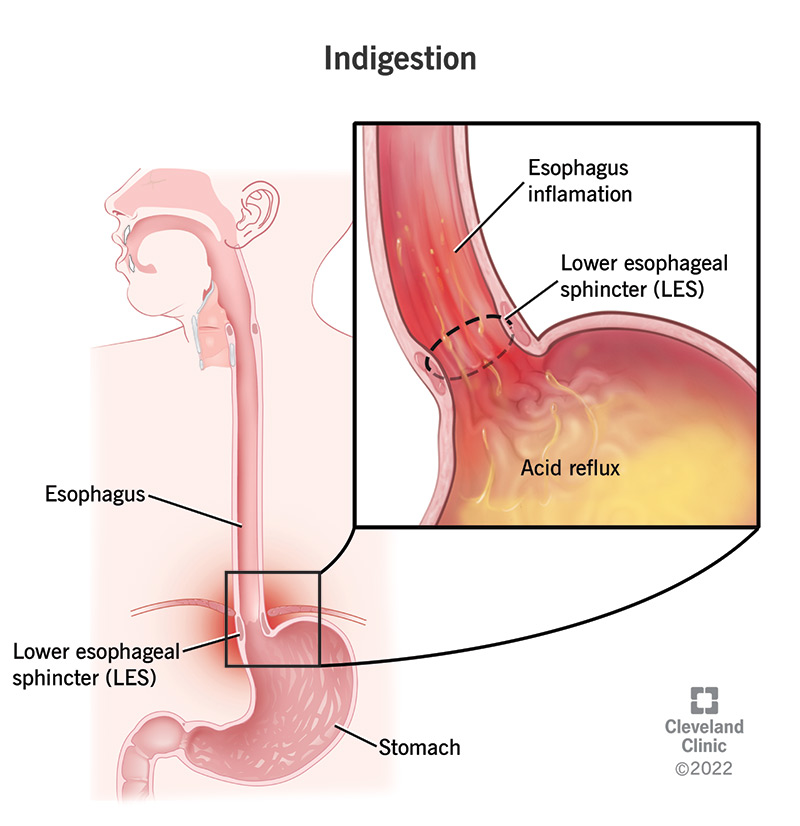
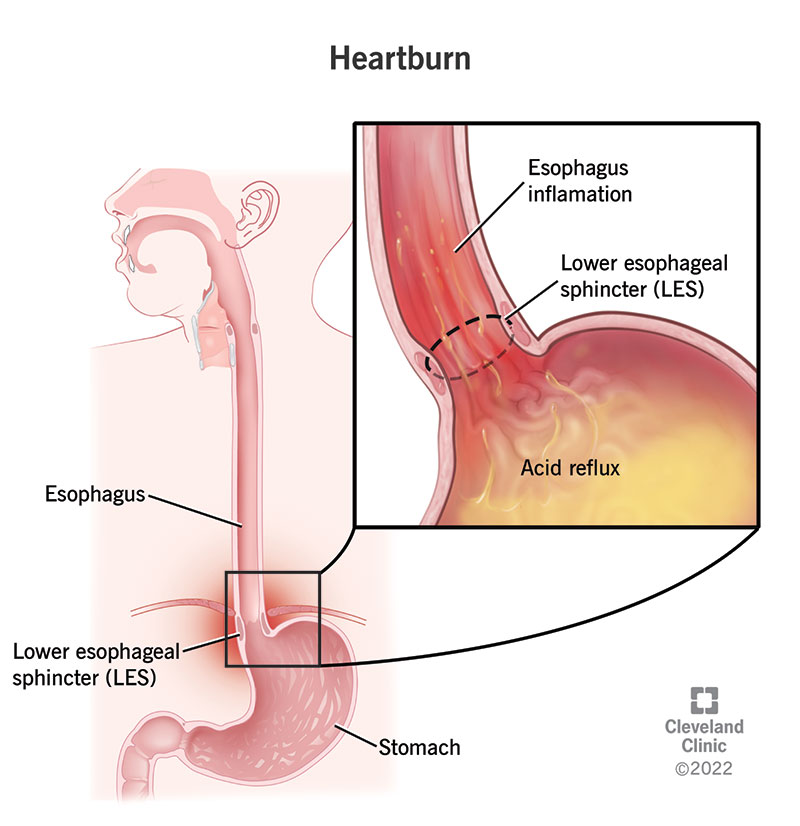
Frequent indigestion—especially after meals—can be a warning sign.
Red flag:
- Symptoms don’t improve with usual medication
3. Nausea or Mild Vomiting


Occasional nausea is common—but persistent nausea after eating is not.
4. Unexplained Weight Loss
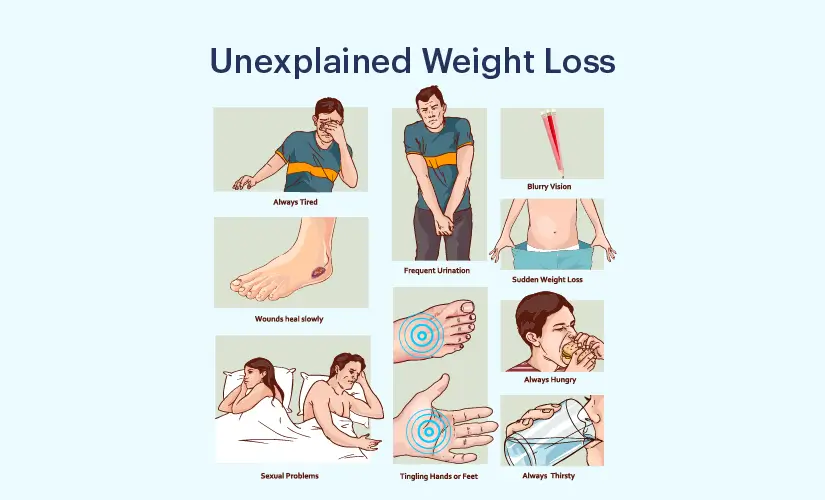


Even without dieting, the body may lose weight due to:
- Poor nutrient absorption
- Reduced appetite
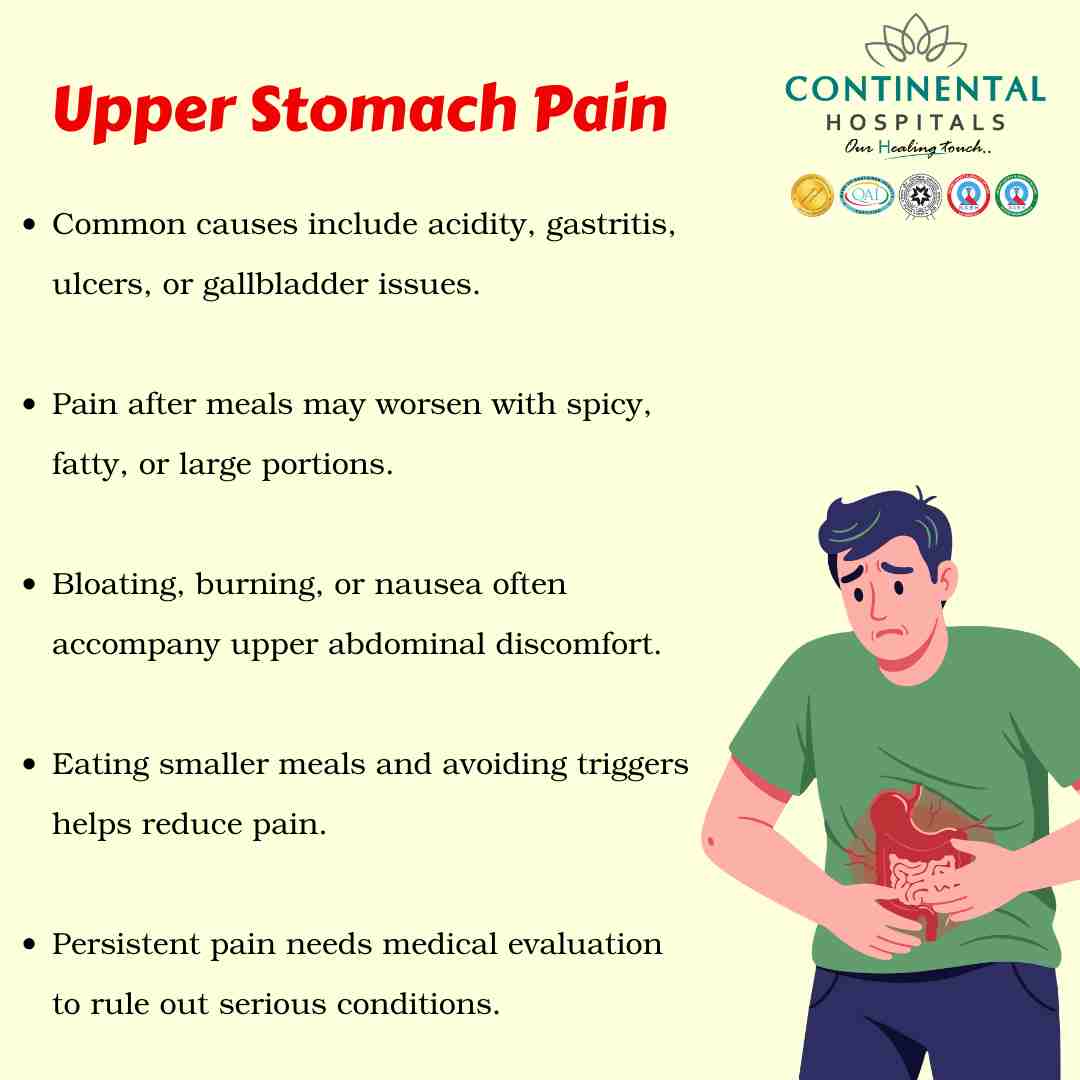
5. Stomach Pain or Discomfort After Eating


Pain may feel:
- Dull or burning
- Located in the upper abdomen
- Worse after meals
Reality Check
Let’s be clear:
- These symptoms are very common
- Most cases are caused by less serious conditions (gastritis, acid reflux, ulcers)
But what matters is:
Persistence + progression + combination of symptoms
When Should You Get Checked?
Consider medical evaluation if:
- Symptoms last more than 2–3 weeks
- They keep coming back after meals
- You experience weight loss or fatigue
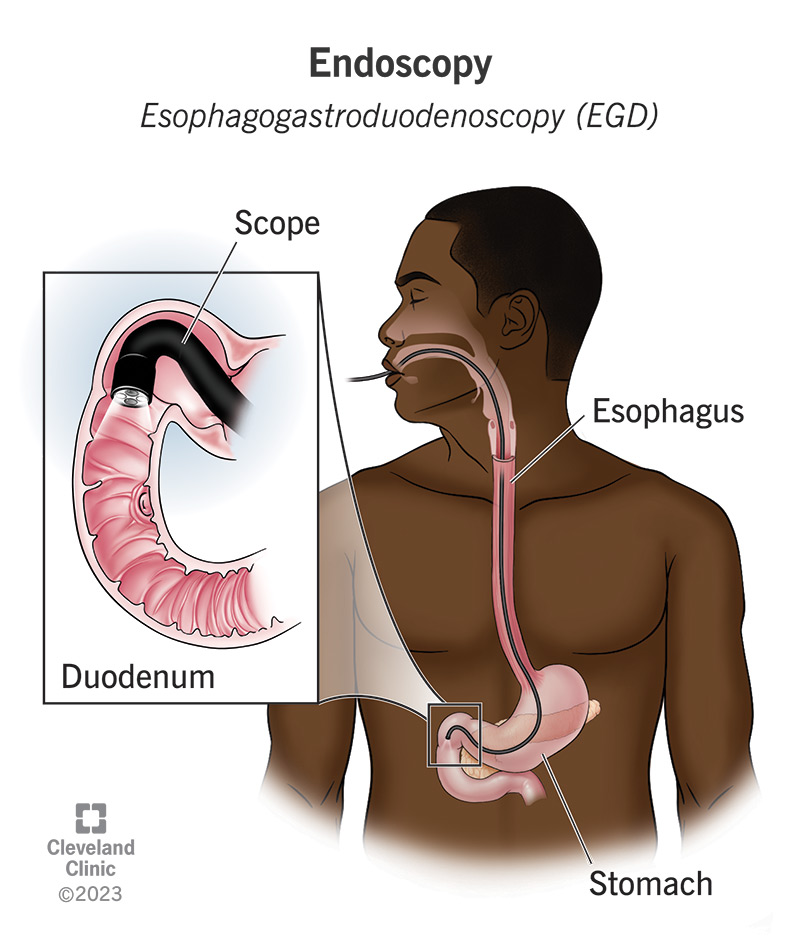
Doctors may recommend endoscopy, which is the most effective way to detect stomach issues early.
Who Is at Higher Risk?
- People with chronic gastritis
- Infection with H. pylori
- Smokers
- Diet high in salty or processed foods
- Family history of stomach cancer
What You Can Do Now
- Eat balanced, less processed meals
- Avoid overeating
- Limit alcohol and smoking
- Don’t ignore persistent digestive symptoms
Final Thoughts
Stomach cancer doesn’t usually start with dramatic symptoms—it starts quietly, often right after meals.
That’s why many people miss it.
Paying attention to small, repeated signs can make the difference between early detection and late diagnosis.