When people cut open a pumpkin, the first thing many do is scoop out the seeds and throw them straight into the trash. Few realize that these small flat seeds are actually packed with nutrients that may support heart health, immunity, sleep, digestion, and much more.
Pumpkin seeds, also known as pepitas, have been valued for centuries in traditional diets and natural wellness practices. Despite their tiny size, they contain an impressive combination of protein, healthy fats, antioxidants, fiber, vitamins, and minerals.
In fact, many nutrition experts consider pumpkin seeds one of the most nutrient-dense snacks available.
Before tossing them away again, here’s why pumpkin seeds may be far more valuable than most people think.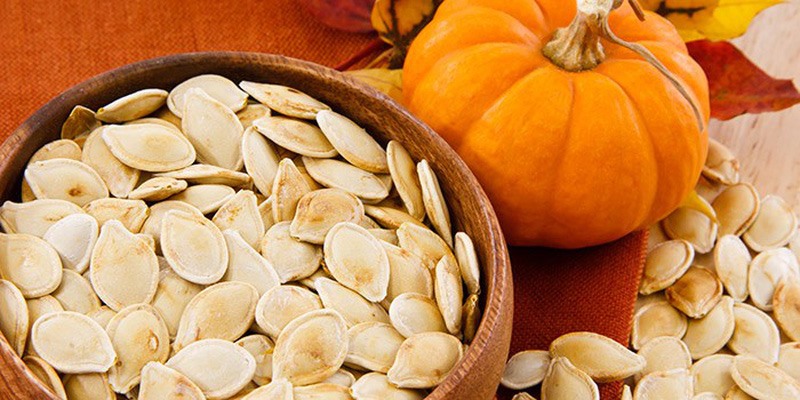
Pumpkin Seeds Are Nutritional Powerhouses
Pumpkin seeds contain a remarkable range of nutrients in a very small serving.
They are rich in:
- Magnesium
- Zinc
- Iron
- Protein
- Healthy fats
- Fiber
- Antioxidants
These nutrients support many important functions throughout the body.
Unlike highly processed snack foods, pumpkin seeds provide natural nutrition without excessive additives when prepared properly.
1. Pumpkin Seeds May Support Heart Health
One of the biggest benefits of pumpkin seeds is their potential role in supporting cardiovascular health.
They contain:
- Magnesium
- Healthy unsaturated fats
- Antioxidants
Magnesium is especially important because it helps support:
- Healthy blood pressure
- Muscle function
- Heart rhythm
- Blood vessel function
Many people do not get enough magnesium in their diets, making pumpkin seeds an excellent natural source.
The healthy fats in pumpkin seeds may also support balanced cholesterol levels when consumed as part of a nutritious diet.
2. They Are Rich in Magnesium
Pumpkin seeds are one of the best plant-based sources of magnesium.
Magnesium plays a role in hundreds of body functions, including:
- Muscle relaxation
- Nerve function
- Energy production
- Bone health
- Sleep regulation
Low magnesium levels may contribute to:
- Fatigue
- Muscle cramps
- Poor sleep
- Increased stress
Adding magnesium-rich foods like pumpkin seeds may help support overall wellness naturally.
3. Pumpkin Seeds May Improve Sleep Quality
Pumpkin seeds contain tryptophan, an amino acid associated with sleep support.
Tryptophan helps the body produce:
- Serotonin
- Melatonin
These chemicals help regulate mood and sleep cycles.
Pumpkin seeds also contain magnesium, which may help relax muscles and support better sleep quality.
Some people enjoy eating a small handful of pumpkin seeds in the evening as part of calming nighttime routines.
4. They May Support Immune Health
Zinc is another key nutrient found in pumpkin seeds.
Zinc helps support:
- Immune function
- Wound healing
- Cell repair
- Normal growth and development
The immune system relies heavily on proper zinc intake.
Because pumpkin seeds naturally contain zinc and antioxidants, they may help support the body’s defense systems when included in a balanced diet.
5. Pumpkin Seeds Provide Plant-Based Protein
Protein is essential for:
- Muscle repair
- Tissue maintenance
- Hormone production
- Energy balance
Pumpkin seeds contain a good amount of plant-based protein, making them popular among:
- Vegetarians
- Vegans
- Fitness enthusiasts
Protein-rich snacks may also help people feel fuller for longer and reduce excessive snacking.
6. They May Support Prostate and Bladder Health
Pumpkin seeds have long been associated with men’s health in traditional wellness practices.
Some research suggests pumpkin seed compounds may help support:
- Prostate health
- Bladder function
- Urinary comfort
Although more research is still ongoing, pumpkin seed oil and pumpkin seed extracts continue to attract attention in this area.
7. Pumpkin Seeds Contain Powerful Antioxidants
Pumpkin seeds contain antioxidants such as:
- Vitamin E
- Carotenoids
- Polyphenols
Antioxidants help protect cells from oxidative stress caused by free radicals.
Oxidative stress is associated with:
- Aging
- Inflammation
- Chronic diseases
Including antioxidant-rich foods in the diet may help support long-term wellness and healthy aging.
8. They May Help Support Blood Sugar Balance
Because pumpkin seeds contain:
- Fiber
- Healthy fats
- Protein
- Magnesium
they may help support healthier blood sugar balance when eaten as part of balanced meals.
Foods rich in fiber and protein generally digest more slowly, which may help avoid rapid blood sugar spikes.
However, sweetened or heavily processed pumpkin seed snacks may not provide the same benefits.
9. Pumpkin Seeds Are Good for Bone Health
Strong bones require more than just calcium.
Pumpkin seeds contain important minerals involved in bone support, including:
- Magnesium
- Phosphorus
- Zinc
These nutrients contribute to:
- Bone structure
- Muscle support
- Joint function
Long-term nutritional balance plays a major role in maintaining healthy bones as people age.
10. They May Support Healthy Digestion
Pumpkin seeds naturally contain dietary fiber.
Fiber helps support:
- Regular bowel movements
- Gut health
- Digestive comfort
Many modern diets lack enough fiber, which may contribute to digestive discomfort and poor gut function.
Adding natural fiber-rich foods may support better digestion over time.
11. Pumpkin Seeds Can Be a Healthy Snack Alternative
Many packaged snacks are loaded with:
- Excess sugar
- Artificial ingredients
- Refined oils
- Sodium
Pumpkin seeds provide a more nutrient-dense alternative when lightly roasted or eaten naturally.
They are crunchy, satisfying, and versatile.
12. They May Help Support Energy Levels
Because pumpkin seeds contain:
- Iron
- Magnesium
- Protein
- Healthy fats
they may help support natural energy production.
Iron helps transport oxygen through the body, while magnesium supports energy metabolism at the cellular level.
People with low nutrient intake may experience fatigue more easily.
13. Pumpkin Seeds Are Extremely Versatile
Pumpkin seeds can be enjoyed in many ways:
- Roasted
- Added to salads
- Mixed into yogurt
- Blended into smoothies
- Sprinkled over oatmeal
- Added to bread or granola
Their mild nutty flavor makes them easy to include in everyday meals.
How to Prepare Pumpkin Seeds Properly
Fresh pumpkin seeds can easily be prepared at home.
Basic Preparation Steps
- Remove seeds from the pumpkin
- Rinse thoroughly
- Dry completely
- Roast lightly in the oven
Some people add:
- Sea salt
- Cinnamon
- Garlic powder
- Olive oil
Avoid excessive oil or heavy seasoning if trying to keep them healthier.
Are There Any Risks?
Pumpkin seeds are generally safe for most people when eaten in moderation.
However:
- They are calorie-dense
- Overeating may cause digestive discomfort
- Salted varieties may contain high sodium
Moderation remains important, even with healthy foods.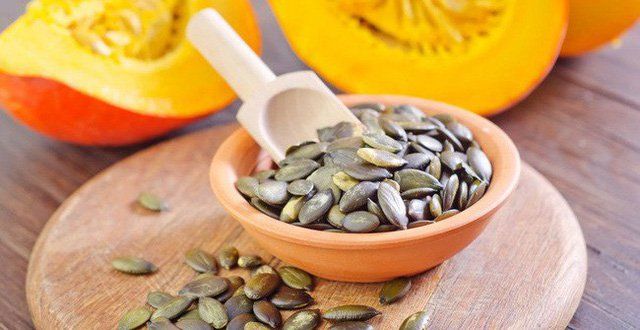
Final Thoughts
Most people throw away pumpkin seeds without realizing they are discarding one of the most nutritious parts of the pumpkin. Packed with magnesium, zinc, protein, healthy fats, antioxidants, and fiber, these tiny seeds may support heart health, sleep, digestion, immunity, energy, and much more.
While pumpkin seeds are not a miracle food, they can absolutely become part of a balanced and nutritious lifestyle.
Sometimes the healthiest foods are not expensive supplements or trendy superfoods — but simple natural ingredients people have overlooked for generations.