
Never Wake Up to Pee at Night? Doctors Say It Could Reveal Important Health Clues
Doctors Reveal the Surprising Truth About Never Urinating at Night
Health 29/05/2026 00:00
Potatoes are one of the most widely consumed foods in the world. They are affordable, versatile, and commonly stored for long periods in kitchens and pantries. However, many people have experienced opening a potato bag only to discover small sprouts growing from the surface.
Some people simply cut off the sprouts and continue cooking the potatoes without concern. Others wonder whether sprouted potatoes are still safe to eat.
Food safety experts say sprouting potatoes deserve extra attention because they may contain increased levels of certain natural compounds that could pose health risks when consumed in large amounts.
While not every sprouted potato is dangerous, understanding the warning signs can help people make safer food choices.
Potatoes are living plant structures.
Over time, especially when exposed to:
they naturally begin preparing to grow into new plants.
This process causes:
Sprouting becomes more common as potatoes age.

The biggest concern with sprouting potatoes involves natural compounds called glycoalkaloids.
These compounds include:
Potatoes naturally contain small amounts of these substances as a defense mechanism against insects and disease.
As potatoes:
glycoalkaloid levels may rise significantly.
High concentrations may become toxic if consumed in excessive amounts.
Green coloration often appears when potatoes are exposed to light.
Although the green color itself comes from chlorophyll and is not toxic, it often signals increased glycoalkaloid production.
This is why experts recommend caution with potatoes that are:

In severe cases, consuming excessive glycoalkaloids may cause symptoms such as:
Very high exposure is rare but may potentially become serious.
Most cases involve heavily spoiled or extremely green potatoes.
Sometimes, yes.
Food experts often say potatoes with:
may still be usable if:
However, potatoes that are:
are generally safer to discard.
Bitterness may signal elevated glycoalkaloid levels.
If potatoes taste:
they should not be eaten.
Taste can sometimes act as an important warning sign.
Many people assume boiling or frying destroys harmful compounds.
However, glycoalkaloids are relatively heat stable.
Cooking may reduce levels slightly, but it does not completely eliminate high concentrations.
This is why heavily green or spoiled potatoes are not recommended even after cooking.
Children may be more vulnerable to foodborne toxins because of their:
Food safety experts encourage extra caution when preparing questionable potatoes for children.
Correct storage may help reduce sprouting and spoilage.
Experts usually recommend storing potatoes in a:
Improper storage speeds up sprouting.
Very cold temperatures may convert potato starch into sugar more quickly.
This may affect:
Most food experts recommend cool pantry storage instead of refrigeration for whole potatoes.
Online content sometimes makes alarming claims such as:
These statements are usually exaggerated.
Mild sprouting does not automatically make potatoes dangerous.
The main concern involves:
Many people try to avoid wasting food by trimming damaged produce.
This can sometimes be reasonable for slightly sprouted potatoes that remain:
However, experts say safety should always come first when spoilage becomes significant.
Potatoes themselves can absolutely be part of a balanced diet.
They provide:
Preparation methods matter greatly.
Healthier approaches may include:
rather than excessive deep frying.
Potatoes that begin sprouting may develop increased levels of natural compounds called glycoalkaloids, especially when they also become green, bitter, soft, or heavily sprouted. While slightly sprouted potatoes may sometimes still be usable after careful trimming, experts recommend avoiding potatoes that show significant spoilage or discoloration.
Proper storage in cool, dry, dark conditions may help reduce sprouting and maintain potato quality longer. Food safety experts emphasize that understanding the warning signs can help people balance reducing food waste with protecting their health.
Doctors Reveal the Surprising Truth About Never Urinating at Night
Could Your Body Be Warning You? 7 Early Signs of Thyroid Cancer
A Sour Intimate Odor May Signal These 4 Common Issues
A green ring around boiled egg yolks may reveal cooking mistakes.
Don’t Ignore Pumpkin Seeds - They’re Packed With Surprising Health Benefits

Experts warn sleeping in cars with AC on may become extremely dangerous.

Experts warn certain bedtime drinks may silently harm your heart health.
Boiled Eggs: The Simple Superfood Packed With Powerful Nutrients
What May Happen to Your Body After Eating Garlic at Night for 30 Days?
This Traditional Herbal Tea May Support Better Blood Flow, Relaxation, and Cognitive Wellness
Some Experts Say This Vegetable May Help Support Better Blood Sugar Control Naturally
9 Warning Signs of Appendicitis You Should Never Ignore
If You Have These Health Conditions, Experts Say Eggs May Not Be the Best Breakfast Choice
If You’re Getting Bruises Easily, Here’s What Your Body May Be Trying to Tell You

Some Morning Symptoms May Be Your Body’s Early Warning Signs of Serious Illness
These 2 Times of Day May Make Sweet Potatoes More Effective for Weight Management
Sleeping With Bed Bugs May Cause More Harm Than Most People Realize
That Small Lump on Your Wrist Could Be a Ganglion Cyst, Doctors Say
What Causes Visible Veins? The Answer May Surprise You
Doctors Reveal the Surprising Truth About Never Urinating at Night
Could Your Body Be Warning You? 7 Early Signs of Thyroid Cancer
A Sour Intimate Odor May Signal These 4 Common Issues
A green ring around boiled egg yolks may reveal cooking mistakes.
Don’t Ignore Pumpkin Seeds - They’re Packed With Surprising Health Benefits
Experts warn sleeping in cars with AC on may become extremely dangerous.
Experts warn certain bedtime drinks may silently harm your heart health.
Boiled Eggs: The Simple Superfood Packed With Powerful Nutrients
What May Happen to Your Body After Eating Garlic at Night for 30 Days?
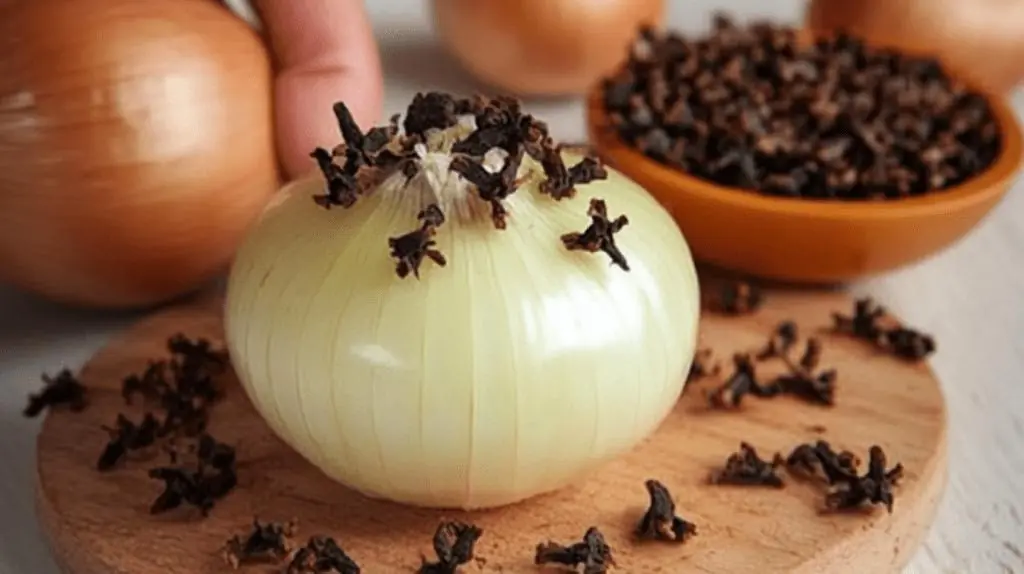
The Unexpected Reason Many People Put Cloves Into an Onion

👗 The dress you choose first may reveal something unexpected about your personality…
This Traditional Herbal Tea May Support Better Blood Flow, Relaxation, and Cognitive Wellness
Some Experts Say This Vegetable May Help Support Better Blood Sugar Control Naturally
9 Warning Signs of Appendicitis You Should Never Ignore
If You Have These Health Conditions, Experts Say Eggs May Not Be the Best Breakfast Choice
If You’re Getting Bruises Easily, Here’s What Your Body May Be Trying to Tell You
Some Morning Symptoms May Be Your Body’s Early Warning Signs of Serious Illness
These 2 Times of Day May Make Sweet Potatoes More Effective for Weight Management
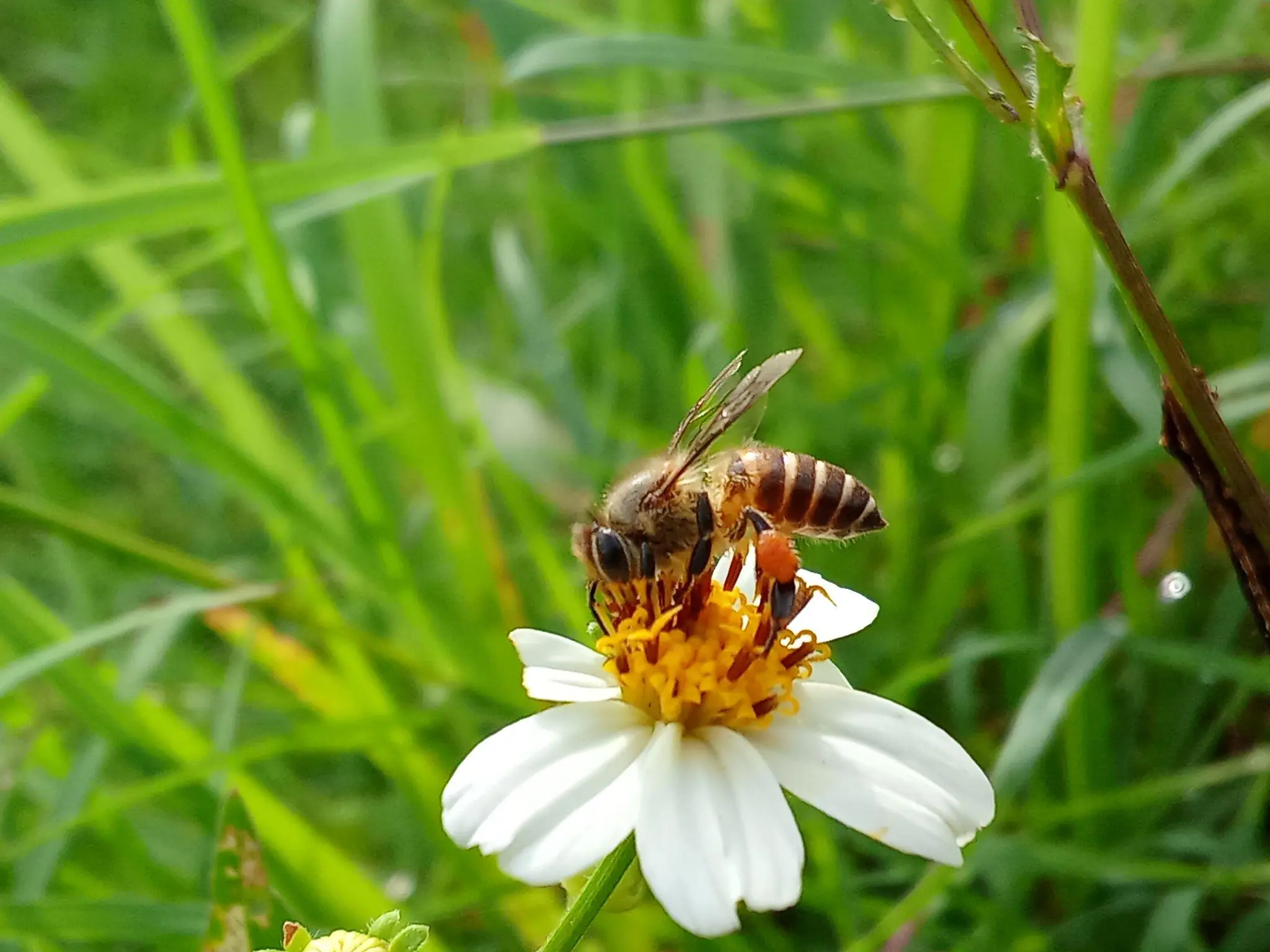
Why Bees Are Attracted to Fresh Laundry and Simple Ways to Keep Them Away