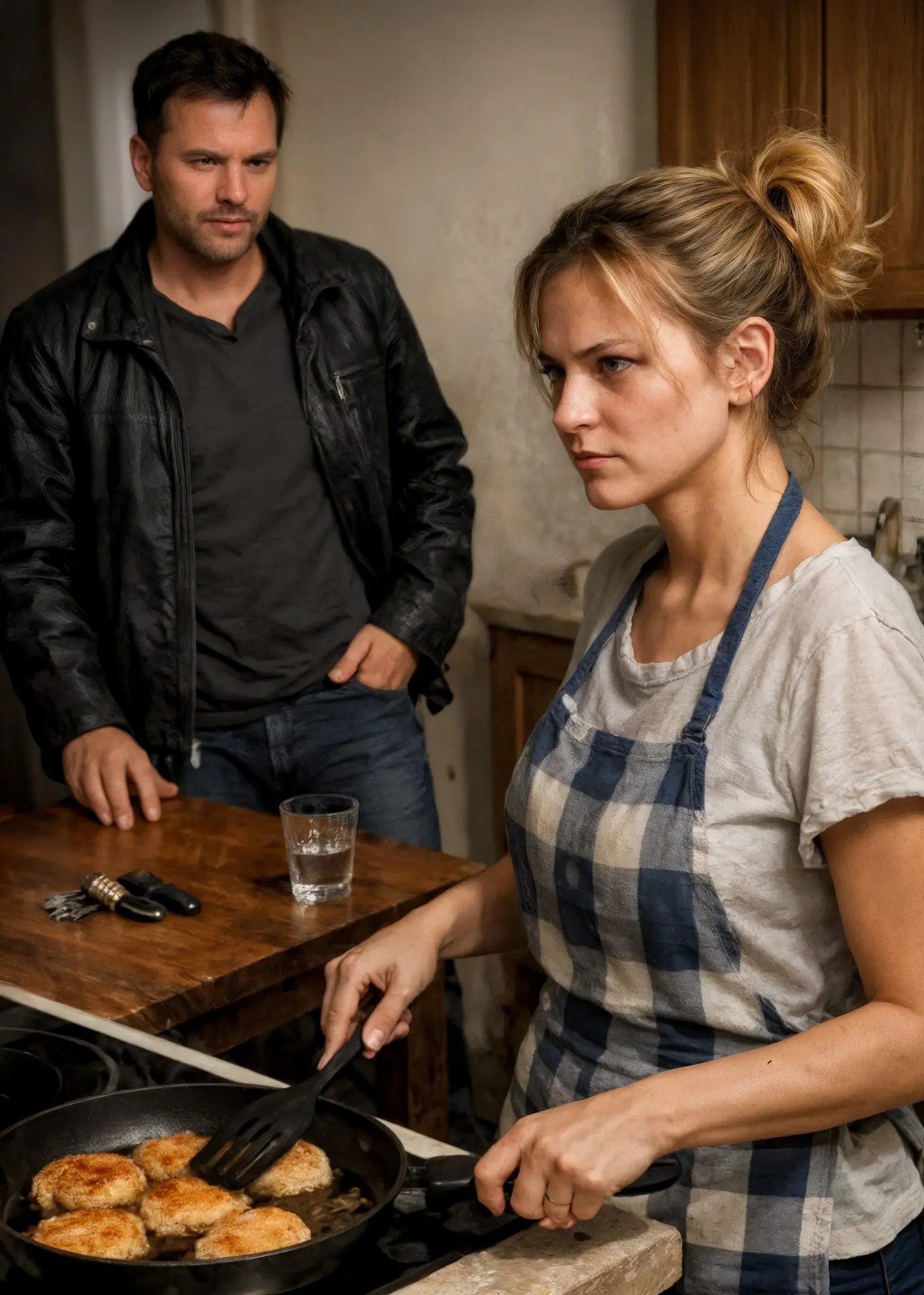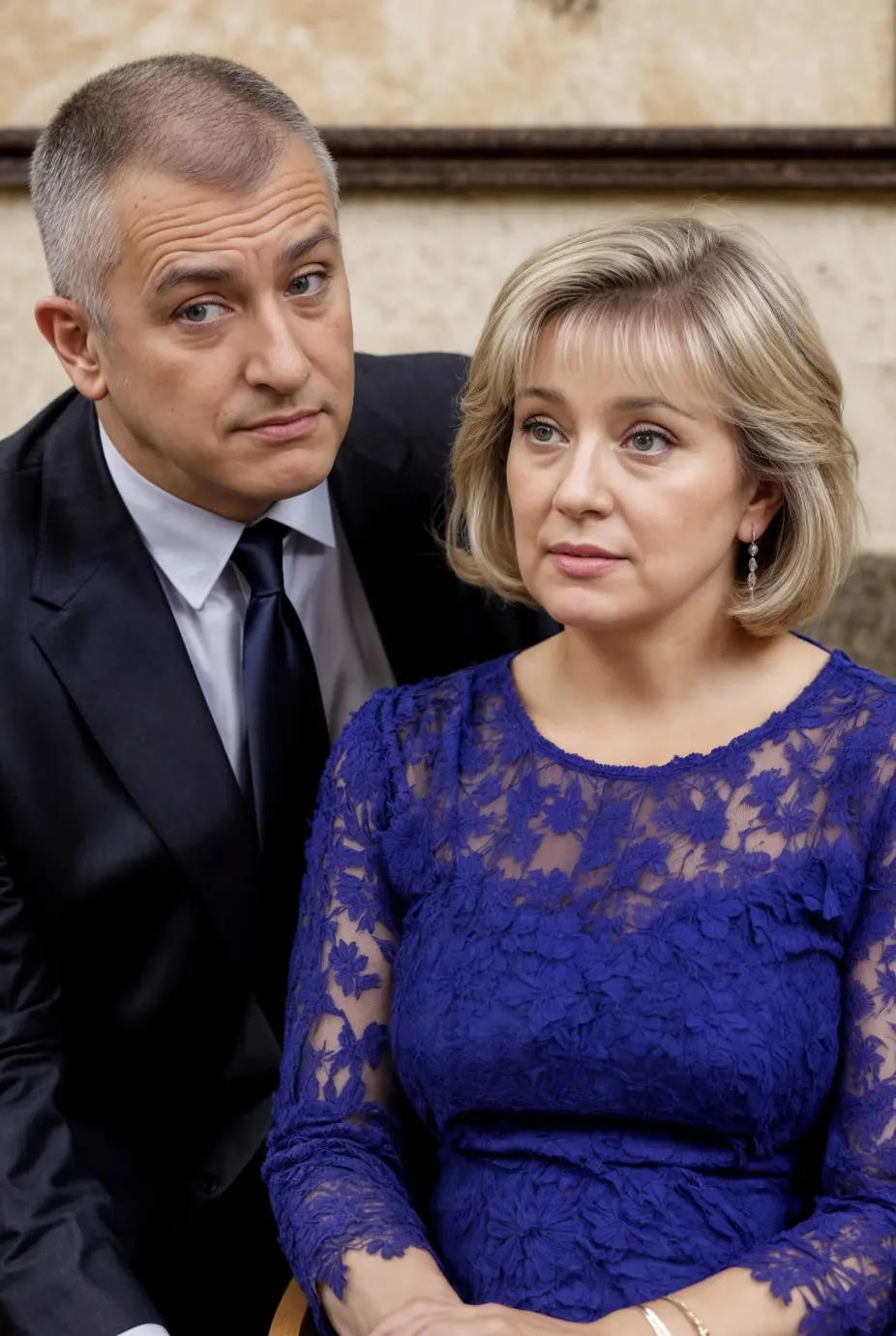
“Alright then. The apartment is mine, the dacha outside Moscow is yours, the car is mine,” Andrey said, scribbling on a sheet of paper without even looking up. “We’ll split the bank deposit in half, and you can keep my mother’s jewelry.”
I stared at the man I had lived with for twenty-six years and wondered how easily he was dividing up our life—just as easily as, three months earlier, he had told a girl from his department that he loved her.
She was twenty-five. I remembered being twenty-five once, too—thinking I knew everything about life.
“It’s fair under the law,” he added calmly. “Everything acquired during the marriage is split fifty-fifty.”
He was wearing a new shirt that day—white with faint blue stripes. We used to discuss purchases together. Now he just appeared in new clothes. He’d even changed his cologne—from the one I used to give him for anniversaries to something sharp and youthful.
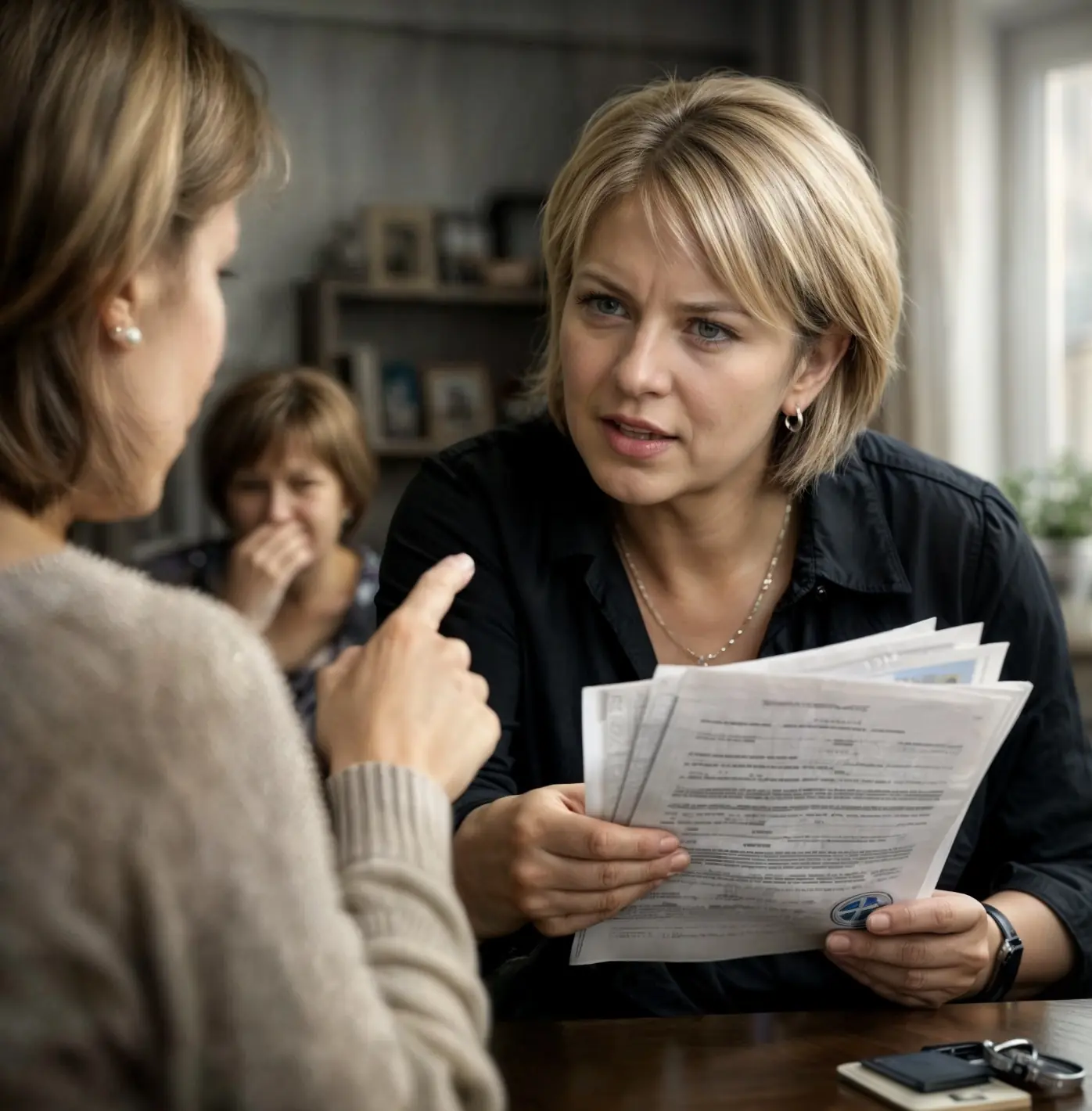
I nodded, reached into my handbag, and pulled out a folder of documents.
“You’re right, Andryusha. Let’s do everything by the law.”
He frowned when he saw the folder. He had probably expected tears, or pleading. For twenty-six years, I’d been predictable: first I tried to save the family, then I agreed “for the children,” “for the sake of peace,” “for compromise.”
“What’s that?” he asked cautiously.
“Documents. You wanted it legal, remember?”
I opened the folder and took out the first page—my mother’s will, notarized two years earlier, when her health began to fail. She had worked as a court secretary her entire life. She knew paperwork often mattered more than emotions.
“I leave to my only daughter, Lidiya Vadimovna Morozova, the apartment located at…” I read slowly. “That apartment, Andryusha—the one you just listed as yours.”
His face changed: confusion, disbelief, and then something close to panic.
“But we lived there together…”
“Lived,” I corrected. “Legally, it belonged to my mother. Now it belongs to me. It wasn’t acquired during our marriage.”
“You kept quiet about this on purpose?”
“Why would I have said anything?” I shrugged. “We were a family. It didn’t matter then. Now it suddenly does.”
I slid the document back into the folder when he reached for it.
“And the dacha?” I continued, pulling out the second page. “That’s mine too. Mom transferred it to me back in 1997, just after we got married.”
He went pale.
“But we built the sauna together. The veranda—”
“I know. An expert will evaluate the improvements, and you’ll be compensated fairly.”
His neat little plan was falling apart. The apartment and the dacha were the assets he’d counted on most.
“This isn’t right,” he muttered, no longer sounding confident. “I thought everything we had was shared.”
“It was—until you decided to leave for Kristina.”
He flinched at her name. Of course I knew. After twenty years at the bank, people feel obligated to tell you things. The gossip reached me long before he said a word.
“Do you know what else?” I said, pulling out one last document. “The bank deposit you so generously offered to split? It’s in my name.”
His eyes widened.
“My mother always said a woman should have a financial cushion. I listened.”
“You were saving money… from me?”
“Not from you. For myself. And now I understand why.”
He leaned back, staring at me as if he were seeing a stranger.
“I don’t recognize you,” he said quietly.
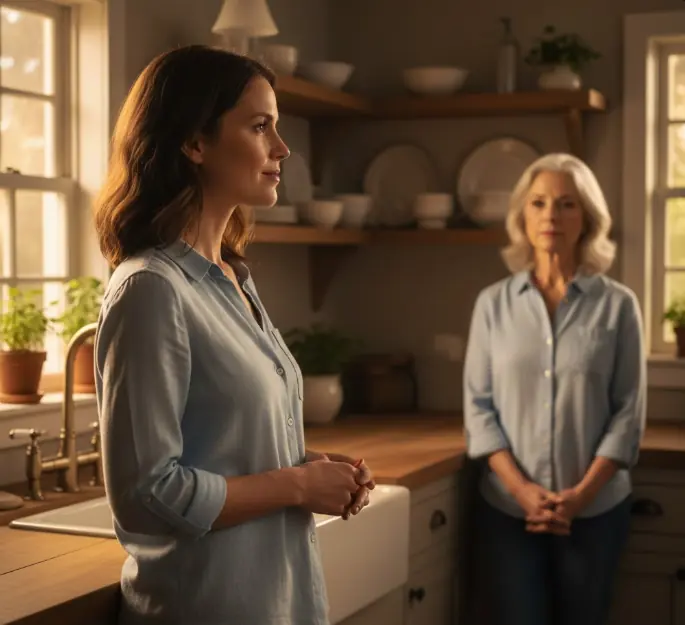
“And I finally recognize myself,” I replied. “For twenty-six years I was convenient. I cooked, cleaned, raised the children, asked nothing. And one day I realized—I had become invisible.”
He tried to regain control. Suggested we “talk calmly,” maybe even “start over.”
“Does Kristina know about this plan?” I asked.
He had no answer.
“That’s when I understood,” I continued. “Not when I smelled someone else’s perfume. Not when I saw strange numbers on your phone. But when you stopped caring what I thought.”
I closed the folder.
“You’re moving out. You take the car and your personal belongings. No alimony—the kids are grown. I won’t stand in the way of your new life.”
“And you?” he asked.
“I’ll live for myself. For the first time.”
After he left, I brewed tea and sat by the window. The rain had stopped. He had forgotten his pen on the table—an expensive one. Once, I would’ve run after him. Instead, I put it in a drawer.
My daughter texted:
“Mom, are you okay?”
“I’m fine,” I replied. “Your dad moved out.”
Her response came quickly:
“Finally. I didn’t want to interfere, but I’ve been waiting for this.”
That evening, I made a list—not of chores, but of wishes. Things I had postponed for decades.
And for the first time in twenty-six years, the future didn’t scare me.
It intrigued me.
Sometimes the most important inheritance isn’t property—but the ability to say “no” and stop being invisible.