Also remember that green or heavily sprouted potatoes may contain elevated levels of glycoalkaloids, including solanine. These naturally occurring compounds are different from the botulism toxin and are not reliably removed by ordinary cooking. Avoid eating potatoes that are extensively green, bitter, or badly damaged.
5. Cooked Eggs and Egg-Based Dishes: Handle Them With Care
Eggs are a convenient source of protein and are used in countless dishes, including omelets, scrambled eggs, boiled eggs, fried rice, casseroles, and mayonnaise-based salads.
Although eggs can be stored safely after cooking, they require proper refrigeration.
Eggs may carry Salmonella, a bacterium that can cause gastrointestinal illness.
Thorough cooking reduces this risk, but cooked eggs can become contaminated through improper handling or contact with contaminated ingredients and surfaces.
Egg-based dishes can also support bacterial growth when left at room temperature for too long.
Examples include:
-
Scrambled eggs.
-
Omelets.
-
Egg casseroles.
-
Quiches.
-
Egg salad.
-
Dishes containing cooked eggs and dairy products.
Why egg leftovers can become risky
A plate of scrambled eggs left on the kitchen table for several hours may seem harmless.
However, bacteria can multiply when the food remains within the temperature range that supports bacterial growth.
The same concern applies to egg salad or mayonnaise-based dishes served at outdoor gatherings, picnics, and family events.
Commercial mayonnaise is generally acidic and is not automatically the main source of risk. The larger concern is the overall dish, its ingredients, and how long it remains unrefrigerated.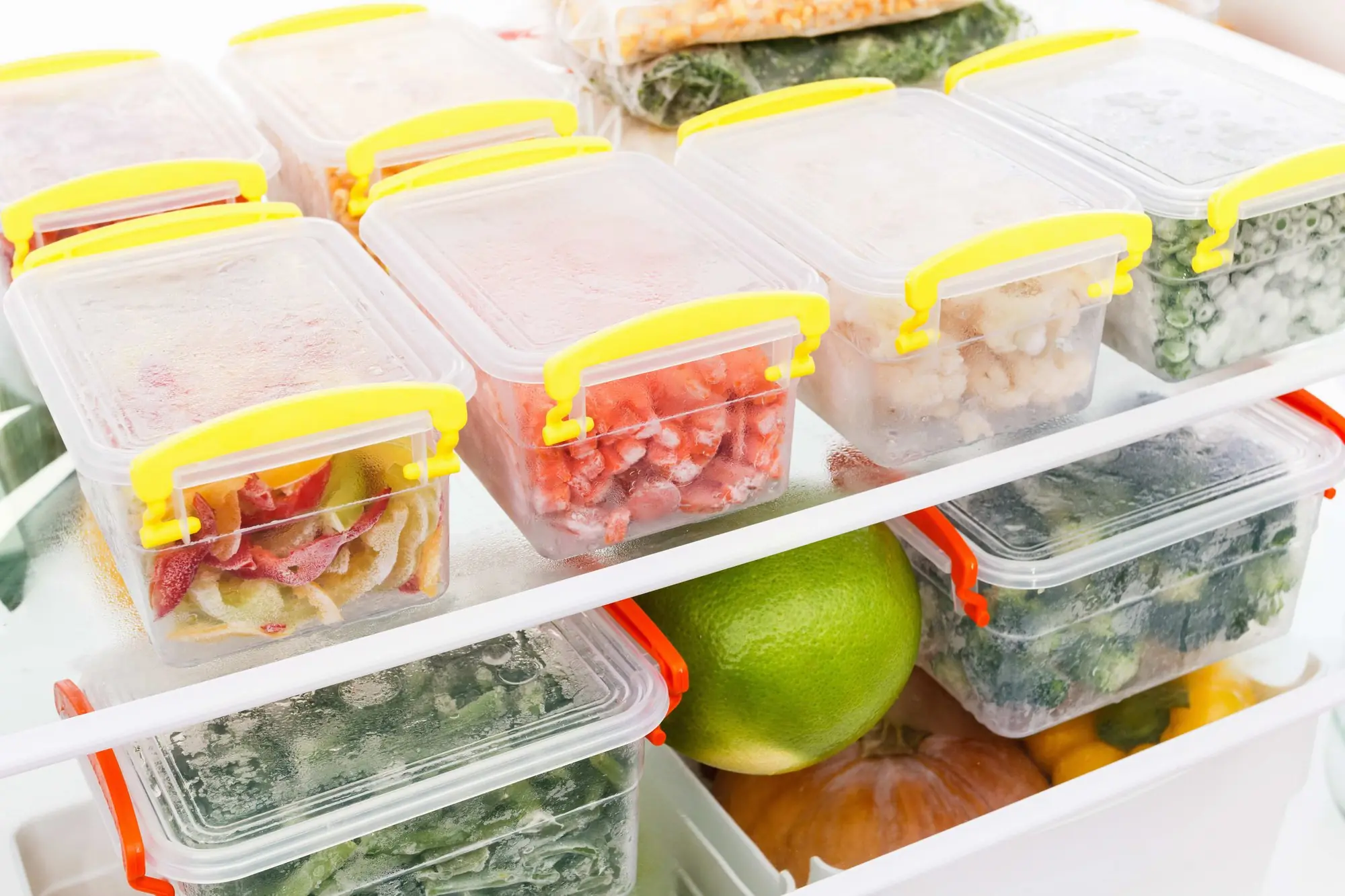
How to store cooked eggs safely
-
Refrigerate cooked eggs and egg dishes within two hours.
-
Keep them in covered containers.
-
Maintain refrigerator temperatures at 40°F (4°C) or below.
-
Use hard-cooked eggs within one week when properly refrigerated.
-
Use most other cooked egg dishes within three to four days.
-
Reheat egg-based leftovers to 165°F (74°C) when reheating is appropriate.
If egg dishes have been sitting at room temperature for more than two hours, discard them. In temperatures above 90°F (32°C), the limit is one hour.
6. Why Some Leftovers Become Dangerous Even When They Look Fresh
One of the biggest misconceptions about food safety is that spoiled food will always smell bad, change color, or develop a strange texture.
Unfortunately, this is not true.
Some harmful microorganisms can grow in food without producing noticeable changes.
A container of rice may look perfectly normal. A piece of chicken may smell exactly as it did the night before. A bowl of seafood may appear fresh.
Yet harmful bacteria or toxins may still be present.
This is why food safety should be based on time, temperature, and handling rather than appearance alone.
There are several reasons leftovers can become unsafe.
Bacteria multiply at room temperature
Many foodborne bacteria grow rapidly in the temperature range commonly called the danger zone.
The USDA defines this range as approximately 40°F to 140°F (4°C to 60°C).
Food should not remain in this range for extended periods.
The longer perishable food stays warm, the greater the opportunity for harmful microorganisms to multiply.
Some bacteria produce toxins
Certain bacteria can produce toxins in food.
Some of these toxins may remain dangerous even after the food is reheated.
This is particularly important with improperly stored rice, which may contain heat-stable toxins produced by Bacillus cereus.
Reheating is not a substitute for proper refrigeration.
Cross-contamination can occur in the refrigerator
Refrigeration does not eliminate every food-safety risk.
Raw meat, poultry, seafood, and their juices can contaminate cooked leftovers if they are stored together without proper separation.
Always keep raw animal products sealed and positioned so their juices cannot drip onto ready-to-eat foods.
Slow cooling can allow bacterial growth
Large pots of soup, stew, rice, or meat may remain warm in the center for a long time if placed directly into the refrigerator in oversized containers.
Dividing food into smaller, shallow containers helps it cool more quickly and safely.
You do not need to wait until food reaches room temperature before refrigerating it.
7. The Two-Hour Rule Everyone Should Know
One of the simplest ways to reduce food poisoning risk is to remember the two-hour rule.
According to USDA food-safety guidance, perishable foods should not remain at room temperature for more than two hours.
If the surrounding temperature is above 90°F (32°C), the recommended limit becomes one hour.
This is particularly important during hot weather, outdoor gatherings, picnics, and family celebrations.
For example, if cooked chicken is served at lunchtime and remains on the table until late afternoon, it should not be saved for dinner.
The same applies to rice, seafood, eggs, dairy-based dishes, and cooked vegetables that require temperature control.
Some people believe that food is safe as long as it is placed in the refrigerator before going to bed.
However, if the food has already spent several hours in unsafe conditions, refrigeration cannot reverse the bacterial growth that has occurred.