Common symptoms include:
-
Nausea.
-
Vomiting.
-
Diarrhea.
-
Stomach cramps.
-
Fever.
-
Headache.
-
General weakness.
-
Loss of appetite.
Symptoms may appear within a few hours or several days after consuming contaminated food. The timing depends on the type of microorganism or toxin involved.
Many mild cases improve with rest and adequate fluid intake.
However, certain warning signs require medical attention.
Seek medical advice promptly if you experience:
-
Bloody diarrhea.
-
Diarrhea lasting more than three days.
-
Fever higher than 102°F (38.9°C).
-
Frequent vomiting that prevents you from keeping liquids down.
-
Signs of dehydration, including very little urination, dry mouth, or dizziness when standing.
Seek urgent medical attention for severe dehydration, confusion, fainting, severe abdominal pain, or neurological symptoms such as blurred vision, difficulty swallowing, or muscle weakness.
People at higher risk of complications should seek medical advice earlier rather than waiting for symptoms to become severe.
13. Common Leftover Myths That Could Put Your Health at Risk
There are several widespread beliefs about leftovers that can lead to unsafe decisions.
Myth 1: If it smells normal, it is safe to eat
False.
Harmful bacteria do not always produce an unpleasant smell.
Food may look and smell normal while containing dangerous microorganisms or toxins.
Myth 2: Reheating kills everything
False.
Reheating to 165°F (74°C) can destroy many harmful bacteria, but it does not reliably eliminate every toxin.
Some toxins produced by bacteria can survive ordinary cooking temperatures.
Myth 3: Putting food in the refrigerator at any time makes it safe
False.
Refrigeration slows bacterial growth but cannot undo the effects of leaving food in unsafe conditions for several hours.
Food should be refrigerated within the recommended time limit.
Myth 4: Cold food is always safe
False.
Food stored in a refrigerator can still become unsafe if the refrigerator temperature is too high, the food was contaminated before storage, or it has been kept too long.
Myth 5: Every leftover must be thrown away the next day
Also false.
Many properly cooked and refrigerated meals can safely be stored for several days.
The important factors are the type of food, how quickly it was cooled, storage temperature, and length of storage.
14. How to Reduce Food Waste Without Taking Unnecessary Risks
Throwing away food can feel wasteful, especially when grocery prices are high.
Fortunately, safe food storage and waste reduction can work together.
Start by preparing portions that match the number of people eating.
If you regularly cook too much rice, chicken, or vegetables, consider preparing smaller quantities or dividing the meal into individual servings immediately after cooking.
Freeze portions that you will not use within the recommended refrigeration period.
Use clear containers so you can see what is inside, and label them with storage dates.
Organize your refrigerator so older leftovers are easy to find and use first.
Keep raw meat and seafood on lower shelves in sealed containers to prevent juices from dripping onto ready-to-eat foods.
Do not overcrowd the refrigerator because adequate airflow helps maintain consistent temperatures.
Most importantly, never let the desire to avoid waste override food safety. Discarding food that may have been stored improperly is better than risking a preventable illness.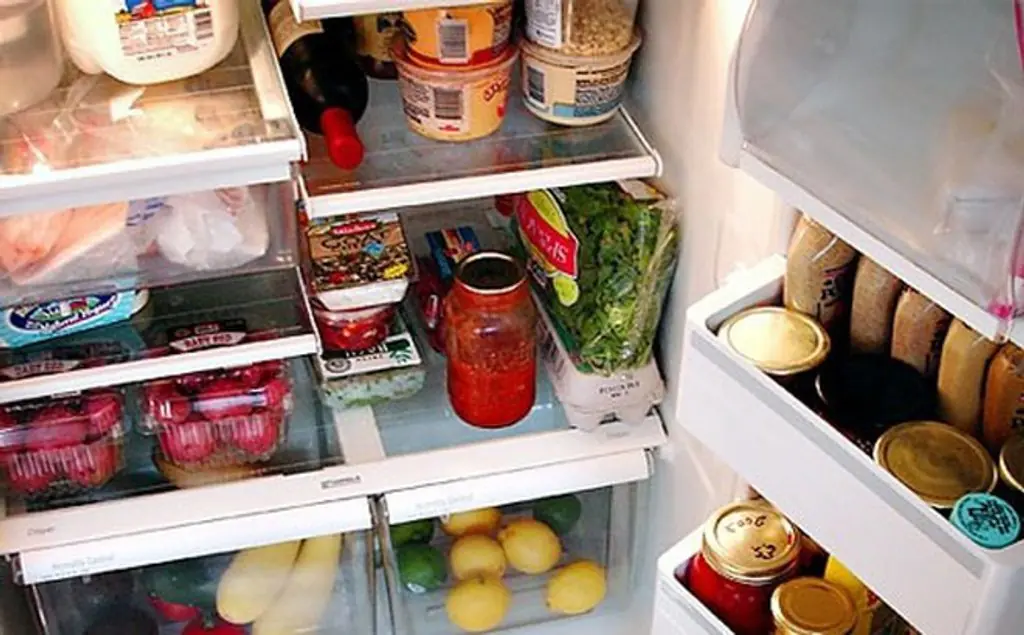
Final Thoughts: Leftovers Can Be Convenient, but Safe Storage Matters
Saving yesterday's dinner for another meal is not inherently dangerous. In fact, properly refrigerated leftovers can be an excellent way to save money, reduce food waste, and make everyday meal preparation easier.
However, certain foods require extra attention.
Cooked rice can become hazardous when left at room temperature because of Bacillus cereus. Chicken and seafood can support the growth of harmful bacteria when improperly stored. Cooked potatoes, especially baked potatoes wrapped in foil, require careful cooling and refrigeration because of the rare but serious risk of botulism. Egg-based dishes also need prompt refrigeration to reduce the risk of bacterial growth.
The most important lesson is not that you should never eat food prepared the previous day. It is that you should never assume food is safe simply because it looks or smells normal.
Remember these basic rules:
-
Refrigerate perishable food within two hours, or within one hour when temperatures exceed 90°F (32°C).
-
Keep your refrigerator at 40°F (4°C) or below.
-
Store most cooked leftovers for no longer than three to four days.
-
Reheat leftovers to an internal temperature of 165°F (74°C).
-
Never taste food to determine whether it is safe.
-
Discard food that has been left at room temperature overnight.
A few simple habits can make a major difference in protecting your household from foodborne illness.
Before eating leftovers tomorrow, take a moment to consider how they were handled today. Proper storage is not complicated, but it is one of the most important ways to keep your meals both convenient and safe.