Most people enjoy squeezing fresh lemons into water, adding their juice to recipes, or using them to prepare refreshing drinks. But once the juice has been extracted, what usually happens to the peel? For many households, it simply goes straight into the trash.
That may be a missed opportunity.
Lemon peels contain aromatic essential oils, natural acids, and flavorful compounds that make them useful for much more than simply adding fragrance to a kitchen. With a little preparation, these leftover peels can become useful ingredients for cooking, natural cleaning solutions, household fresheners, and even simple gardening projects.
In fact, the bright citrus scent that makes lemons so popular comes largely from compounds found in their outer peel. One of the most important is limonene, an aromatic compound responsible for much of the familiar lemon fragrance. Lemon peels also contain citric acid and other plant compounds that contribute to their distinctive properties.
Instead of throwing them away immediately, consider saving your next batch of lemon peels. You may be surprised by how many practical uses they have around the house.
Here are eight simple and useful ways to make the most of something that would otherwise become kitchen waste.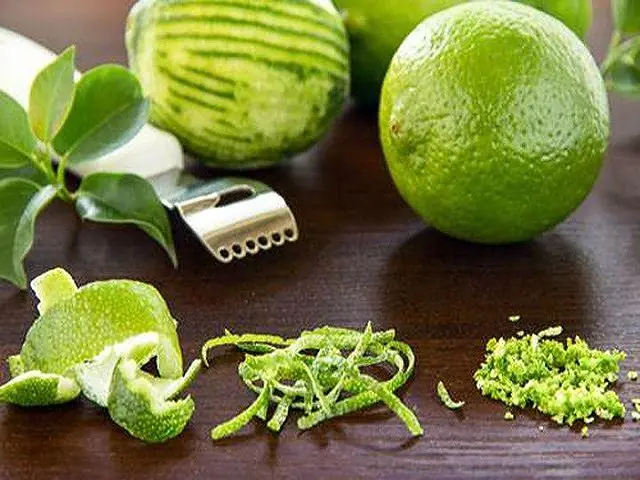
1. Make a Natural Kitchen Cleaner
One of the most practical ways to reuse lemon peels is to turn them into a homemade cleaning solution.
Lemons have a fresh, recognizable fragrance, and their peels contain aromatic oils that can help remove greasy residue from certain surfaces. Their natural acidity may also help dissolve some mineral deposits and everyday kitchen grime.
This makes lemon peels a useful ingredient in a simple homemade cleaner.
How to make it:
-
Collect the peels from several clean lemons.
-
Place them inside a clean glass jar.
-
Cover the peels with white vinegar.
-
Seal the jar and leave it in a cool, dark place for approximately one to two weeks.
-
Strain out the lemon peels.
-
Dilute the infused vinegar with an equal amount of water before using it on suitable surfaces.
The resulting liquid has a noticeable citrus scent and can be useful for cleaning certain kitchen surfaces, such as suitable countertops, sinks, and washable exterior surfaces.
However, there is an important precaution: vinegar is acidic and should not be used on natural stone such as marble, limestone, or some granite surfaces. It can damage protective finishes, certain metals, and other acid-sensitive materials.
Never mix vinegar with bleach or products containing chlorine, because doing so can release dangerous chlorine gas.
Also, this homemade cleaner should not be considered a registered disinfectant. Although it may help remove ordinary grime and grease, it does not reliably eliminate every harmful microorganism.
For everyday cleaning, however, lemon-infused vinegar can be a convenient way to reuse leftover peels.
2. Remove Unpleasant Odors From Your Refrigerator
Refrigerators often contain a mixture of different food smells.
Even when food is stored properly, strong odors from onions, garlic, seafood, cheese, and leftovers can sometimes linger.
Lemon peels offer a simple way to introduce a fresh citrus fragrance into the refrigerator.
Their aromatic oils release a pleasant smell, which may help make the refrigerator smell fresher.
How to use them:
-
Wash several lemon peels thoroughly.
-
Remove any remaining fruit pulp.
-
Place the peels in a small, clean bowl.
-
Put the bowl on a refrigerator shelf, away from direct contact with food.
-
Replace the peels every few days or whenever they begin to dry out or deteriorate.
You can also use dried lemon peels if you prefer a less moist option.
It is important to understand that lemon peels mainly provide fragrance. They do not remove the source of persistent refrigerator odors.
If your refrigerator smells unpleasant, check for spoiled food, leaking containers, dirty shelves, and blocked drainage areas. Clean the affected areas and store food in properly sealed containers.
A bowl of lemon peels can add a pleasant finishing touch, but good refrigerator hygiene is what actually solves the underlying problem.
3. Create a Natural Air Freshener for Your Home
Commercial air fresheners often contain fragrances that can be overpowering for some people.
If you enjoy the smell of fresh citrus, lemon peels offer a simple alternative.
Rather than throwing away the peels after making lemonade or preparing dinner, you can use them to create a pleasant aroma throughout your home.
One of the easiest methods is to simmer the peels in water.
How to make a lemon simmer pot:
-
Place several clean lemon peels in a small saucepan.
-
Add enough water to cover them.
-
Bring the water to a gentle simmer.
-
Allow the warm citrus fragrance to spread through the room.
-
Add a cinnamon stick, a few cloves, or fresh rosemary if you want a different fragrance.
The combination of lemon and cinnamon creates a warm, refreshing aroma that can make a kitchen or living area feel more inviting.
You can experiment with different combinations depending on your preferences.
For example:
-
Lemon peel and rosemary create a fresh herbal scent.
-
Lemon peel and cinnamon provide a warmer fragrance.
-
Lemon peel and cloves produce a stronger, spicy aroma.
-
Lemon peel and fresh ginger create a bright, slightly warming scent.
There are a few safety considerations. Never leave a simmering saucepan unattended, keep the water level from becoming too low, and turn off the heat before leaving the room.
This method does not purify the air or remove dangerous pollutants. Its purpose is simply to provide a pleasant natural fragrance.