Lemon peels are not just useful for household cleaning. They are also valuable in the kitchen.
The colorful outer layer of a lemon contains aromatic oils that give lemon zest its distinctive fragrance.
In many recipes, a small amount of zest can provide a stronger citrus aroma than lemon juice alone.
The secret is to use the yellow outer layer rather than the thick white layer underneath, which is called the pith. The pith can taste noticeably bitter.
How to prepare lemon zest:
-
Wash the lemon thoroughly under running water.
-
Dry it with a clean towel.
-
Use a fine grater or zester to remove only the yellow outer layer.
-
Avoid grating too deeply into the white pith.
-
Add the zest to your recipe.
Lemon zest can be used in many dishes, including:
-
Homemade cakes and muffins.
-
Cookies and pastries.
-
Salad dressings.
-
Marinades for chicken and fish.
-
Rice and pasta dishes.
-
Homemade sauces.
-
Yogurt and fruit salads.
It can also make ordinary drinking water more refreshing.
Add a few thin strips of clean lemon peel to a jug of water and refrigerate it for a short period to allow the citrus aroma to develop.
For a stronger flavor, lemon zest can be mixed with sugar to create lemon sugar. Simply combine finely grated zest with sugar and rub the mixture together until fragrant.
This works particularly well in baking and desserts.
Before using lemon peels in food, wash them thoroughly and choose lemons with clean, undamaged skins. If possible, select fruit from a source you trust and follow any washing guidance on the packaging.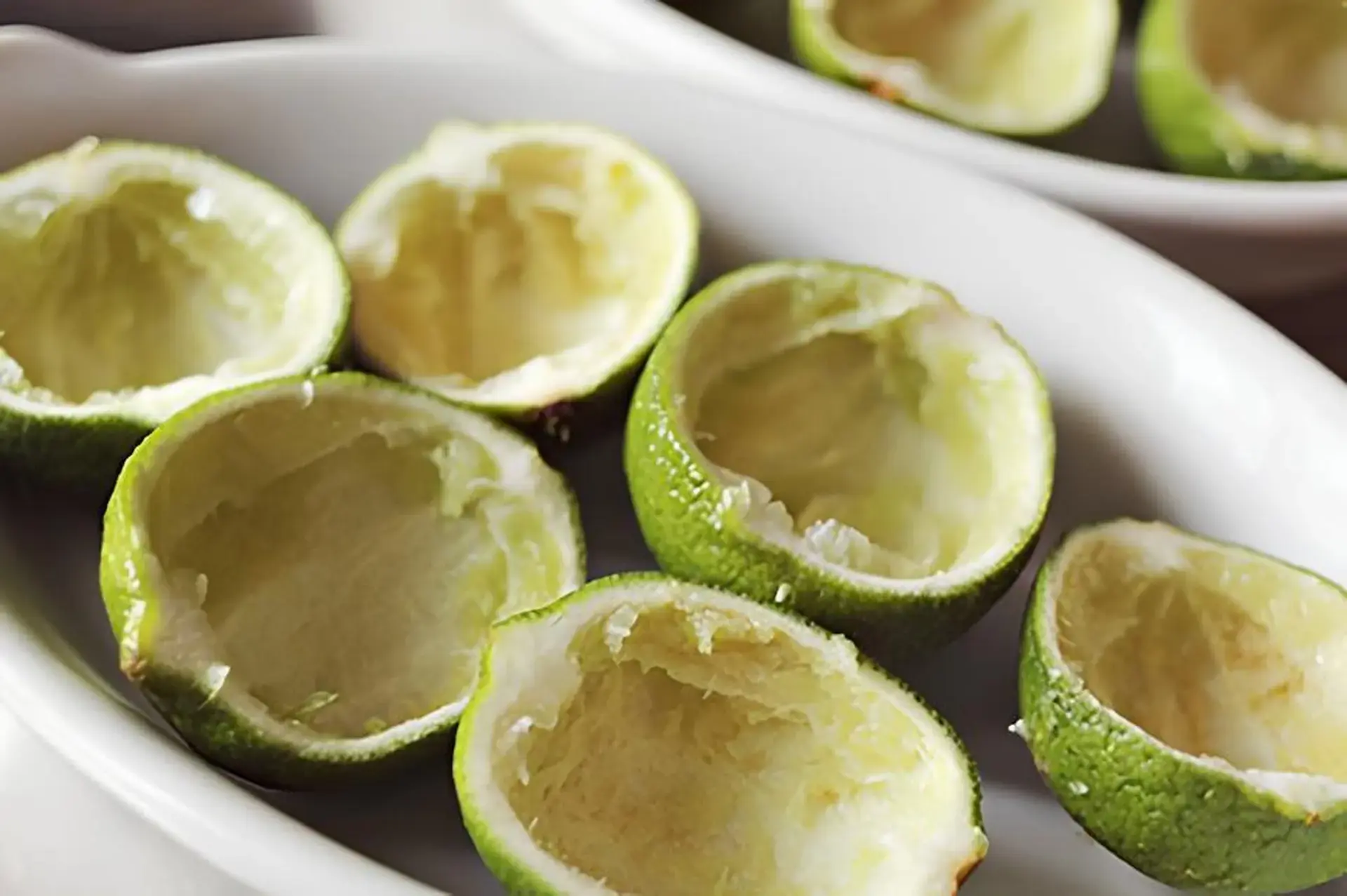
5. Make Homemade Candied Lemon Peels
If you enjoy sweet snacks, candied lemon peels are one of the most delicious ways to reuse something that would otherwise be discarded.
This traditional preparation transforms lemon peel into a sweet, chewy treat with a pleasant citrus flavor.
The process takes some time, but it requires only a few basic ingredients.
Ingredients:
-
Peels from three or four lemons.
-
One cup of sugar.
-
One cup of water.
-
Additional sugar for coating, if desired.
Preparation:
-
Wash the lemons thoroughly.
-
Cut the peels into thin strips.
-
Remove excess white pith if you prefer a milder flavor.
-
Place the strips in a saucepan of water and bring them to a boil.
-
Drain and repeat the process once or twice to reduce bitterness.
-
Combine one cup of sugar with one cup of fresh water in a saucepan.
-
Add the lemon strips.
-
Simmer gently until the peels become translucent and tender.
-
Remove the strips and allow excess syrup to drain.
-
Roll them in sugar if desired.
-
Place them on a rack or baking paper and allow them to dry.
The result is a chewy citrus treat that can be enjoyed on its own or used as a decorative ingredient.
Candied lemon peel is also excellent when chopped into small pieces and added to cakes, sweet breads, cookies, or homemade chocolate.
For storage, place fully dried pieces in a clean, airtight container. If they remain moist, refrigerate them and use them promptly.
Because they contain sugar, candied peels should be treated as a sweet snack rather than a health food.
Nevertheless, they are a delicious way to reduce kitchen waste.
6. Help Clean Certain Greasy Kitchen Items
Lemon peels can also be useful when dealing with light grease and food residue.
The essential oils in lemon skin, particularly limonene, are used in various cleaning products because of their ability to help dissolve oily substances.
While a lemon peel cannot replace a proper kitchen degreaser in every situation, it can be useful for small cleaning tasks.
One simple example is cleaning a greasy cutting board or certain washable kitchen utensils.
How to use lemon peels:
-
Remove visible food debris from the surface.
-
Sprinkle a small amount of salt on a suitable cutting board.
-
Rub the surface gently with the fleshy side of a lemon half or a piece of peel.
-
Rinse thoroughly with clean water.
-
Wash the cutting board with dish soap and allow it to dry.
The salt provides mild physical abrasion, while the citrus oils contribute fragrance and may help loosen some greasy residue.
However, this technique is not suitable for every material.
Avoid rubbing lemon peel on delicate surfaces, natural stone, or materials that may be damaged by acidity. It should also not be used as a substitute for washing and sanitizing cutting boards after handling raw meat, poultry, seafood, or eggs.
For wooden cutting boards, follow the manufacturer's care instructions and avoid prolonged exposure to moisture.
The main advantage of this method is that it gives leftover lemon material another practical use before disposal.
7. Use Dried Lemon Peels in the Garden
If you enjoy gardening, lemon peels can also be reused as part of your household composting routine.
Instead of throwing citrus scraps into the trash, you can add them to a properly managed compost pile.
Lemon peels are organic material and will eventually break down through the activity of microorganisms.
As they decompose, they contribute organic matter to the compost.
How to prepare lemon peels for composting:
-
Collect clean lemon peels.
-
Cut them into smaller pieces.
-
Mix them with other kitchen scraps.
-
Add dry materials such as fallen leaves, cardboard, or untreated paper.
-
Turn the compost periodically to provide oxygen.
-
Maintain an appropriate balance between moist green materials and dry brown materials.
Cutting citrus peels into smaller pieces can help them break down more easily.