No Matter How Thoroughly You Clean, Stainless Steel Pans Still Show “Rainbow Stains” – The Surprising Truth Behind It
If your household uses stainless steel cookware, you’ve likely noticed a rainbow-like discoloration at the bottom of pots or pans.
Even after thorough cleaning and drying, many people are surprised to find multicolored, iridescent streaks on the surface. This often raises concerns: Could it be leftover detergent or chemical residue? Has the stainless steel oxidized and become unsafe for cooking?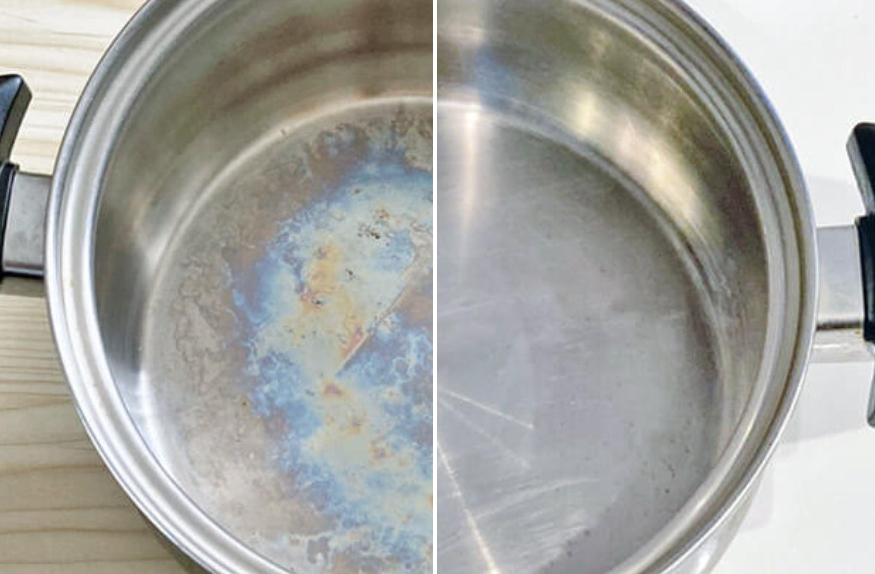
Worry increases when repeated scrubbing fails to completely remove these stains. However, the truth is quite different from what most people assume. These rainbow stains are not signs of toxins or damage—they are a harmless physical phenomenon and do not affect the safety or quality of the cookware.
Why Do “Rainbow Stains” Appear on Stainless Steel?
The rainbow effect occurs when stainless steel is exposed to high heat, especially when heating without water or oil. At such temperatures, the chromium content in the stainless steel alloy reacts with oxygen in the air, forming a thin layer of chromium oxide. This oxide layer refracts light at various angles, creating the iridescent “rainbow” colors visible to the naked eye.
Importantly, this chromium oxide layer is not toxic. In fact, it protects the stainless steel surface from corrosion and rust. While some may worry about chromium's toxicity, that concern applies to hexavalent chromium (Cr6+), which is unlikely to form under normal cooking conditions. The chromium in cookware is primarily trivalent (Cr3+), a stable and safe form.
Cosmetic Concerns: Why People Want to Remove It
Despite being harmless, rainbow stains can make stainless steel cookware appear blotchy and less clean, which may bother those who value a neat and polished kitchen. For this reason, even though these stains don’t affect cooking safety, many people still seek ways to restore the original shine.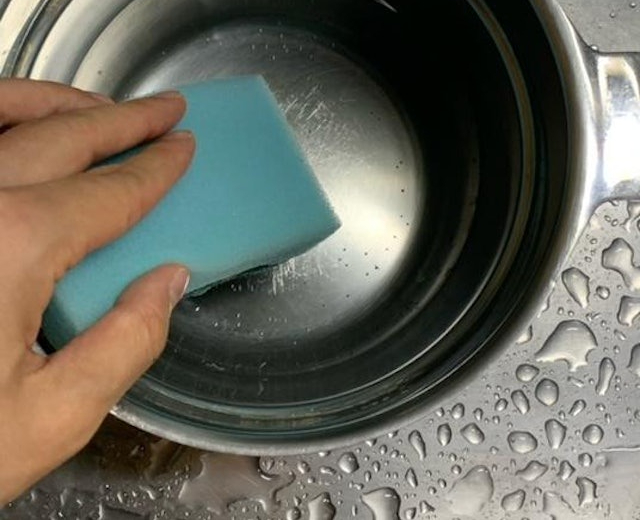
How to Remove Rainbow Stains Without Damaging the Surface
Avoid using steel wool or harsh abrasives, as these can scratch the surface and compromise the protective layer. Instead, try the following gentle and effective methods:
1. White Vinegar or Lemon Juice
Dilute white vinegar or lemon juice with water in a 1:1 ratio. Soak a soft cloth or sponge in the solution and gently wipe the stained surface. After a few minutes, rinse with water and dry. The rainbow effect should fade or disappear.
2. Baking Soda
Sprinkle a small amount of baking soda onto the discolored area. Using a damp sponge, gently scrub in a circular motion. Rinse with warm water and dry thoroughly.
3. Vinegar and Baking Soda Combination (for stubborn stains)
Pour a little vinegar over the stained area, then lightly sprinkle baking soda on top. The bubbling reaction helps lift the oxide layer from the surface. Wait a few minutes, then wipe with a soft cloth and rinse.
Important Note
Avoid using strong chemical cleaners, especially those containing chlorine or industrial abrasives, as they can reduce the lifespan of your stainless steel cookware.