If the beverage has been stored under uncertain conditions, it is safer to discard it rather than attempt to rescue it by reheating.
Milk-based drinks may seem convenient, but convenience should not replace proper temperature control.
And if you thought dairy was the only beverage that could cause problems inside a thermal flask, the next one may surprise you.
It is often considered healthy, refreshing, and harmless—but its acidity can make the choice of container more important than many people realize.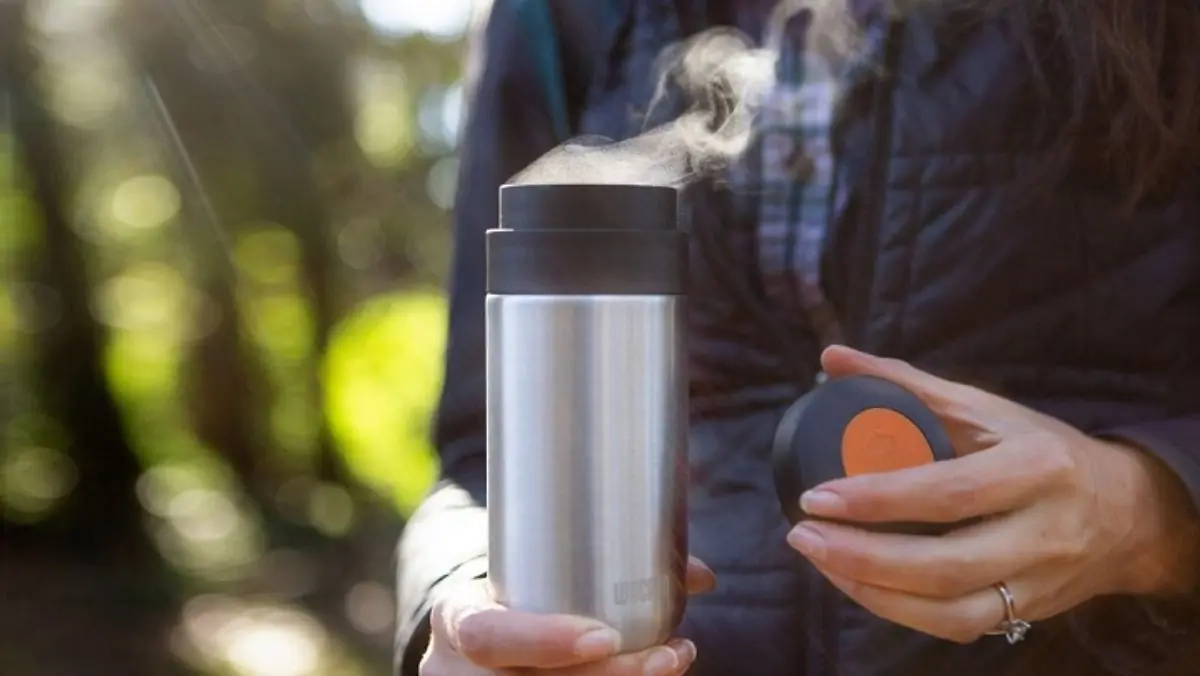
Chapter 4: Beverage No. 3 — Highly Acidic Drinks, Including Lemon and Citrus Juices
Lemon water, orange juice, grapefruit juice, fruit-based drinks, and other acidic beverages are popular choices for people who want something refreshing throughout the day.
Many people prepare lemon water in the morning, pour it into a thermal flask, and carry it to work or school. Others use insulated bottles for fruit juices, vinegar-based drinks, or beverages containing citrus extracts.
These drinks are not automatically unsafe in a thermal flask.
However, highly acidic liquids may interact differently with certain materials, coatings, or metal surfaces, depending on the design and quality of the container.
Most modern thermal flasks use stainless steel, but not all products have the same material composition, surface treatment, or construction quality. Some containers may contain coatings, plastic components, silicone seals, or other materials that are not suitable for every type of beverage.
Acidic liquids may be more likely to interact with certain materials than plain water.
The concern is particularly relevant if the flask has a damaged interior, scratches, corrosion, or a coating that has begun to deteriorate. A container that was originally suitable for a beverage may no longer be appropriate if its interior has become damaged.
This is why it is important to inspect your thermal flask regularly.
Look inside the container under good lighting. If you notice unusual corrosion, peeling material, persistent discoloration, deep scratches, or signs that the interior surface has been damaged, stop using the flask for food and beverages until you determine whether it is safe.
Another issue is the time the acidic beverage remains inside.
Lemon juice, fruit juices, and flavored drinks can leave residue that may be difficult to remove from the lid, threads, and seals. If the drink contains sugar, the residue can become sticky. If it contains fruit pulp, small particles may become trapped in narrow areas.
Over time, these residues can contribute to unpleasant odors and make cleaning more difficult.
Some people also notice that citrus drinks develop a different taste after being stored for several hours. The change may be related to oxidation, temperature, the beverage itself, or interaction with the container's materials.
If you enjoy lemon water, the best approach is to check whether your flask's manufacturer specifically allows acidic beverages.
If the container is made from suitable food-grade materials and is designed for use with acidic drinks, occasional use may be perfectly acceptable according to its instructions.
However, if the manufacturer advises against acidic beverages, follow that guidance.
Avoid storing acidic drinks for unusually long periods, especially if the container is not specifically designed for that purpose.
After use, wash the flask thoroughly with warm water and an appropriate cleaning method. Pay particular attention to the lid, gasket, threads, and any areas where liquid can remain trapped.
Do not assume that simply rinsing the flask with water is enough.
And there is one more type of beverage that can be surprisingly troublesome—not because it is acidic or carbonated, but because it combines ingredients that may leave residue, encourage microbial growth under unsuitable conditions, and make a container difficult to clean.
Chapter 5: Beverage No. 4 — Sweet, Thick, and Sticky Drinks
Sweet beverages are often underestimated when it comes to cleaning and storage.
Syrups, sweetened coffee, flavored milk, smoothies, protein shakes, sweet tea, and drinks containing honey or other concentrated sweeteners can leave residues inside a thermal flask.
The residue may not be obvious immediately.
After the drink is poured out, the container may appear clean. But small amounts of liquid can remain around the lid, the threads, the gasket, or the bottom of the flask.
Sugar and other ingredients may become sticky as the remaining liquid dries.
This can create several problems.
First, sticky residue can make the flask harder to clean. A quick rinse may remove the visible liquid but leave a thin layer behind.
Second, residue can contribute to unpleasant odors, particularly if the flask is closed while still damp or if it is not cleaned thoroughly after use.