A properly insulated food container may be more suitable for certain soups or thicker preparations.
A flask specifically designed for milk or other perishable drinks may be more appropriate when temperature control is necessary.
Using the correct container can prevent many of the problems people experience when they try to use one flask for everything.
The goal is not to become afraid of your thermal flask.
It is to understand its limitations.
Chapter 7: The Cleaning Mistake That Can Make Your Flask Smell Worse
Even people who use their thermal flasks every day may make one important mistake: they clean the main body but forget the lid.
The lid can contain several small components.
There may be silicone seals, narrow grooves, drinking openings, threaded sections, and other areas where liquid can remain trapped. These spaces may be difficult to clean if the lid is not disassembled properly.
A drink may leave residue even when the inside of the flask looks spotless.
Milk, coffee, sugary beverages, fruit juice, and protein drinks can all leave traces behind.
If the lid is closed while damp, the remaining moisture and residue may contribute to an unpleasant smell.
A better cleaning routine begins immediately after the beverage is finished.
First, empty the flask completely.
Second, rinse the interior with warm water.
Third, wash the main container using a suitable cleaning product and a bottle brush if necessary.
Fourth, remove detachable lid components according to the manufacturer's instructions and clean them separately.
Fifth, rinse all components thoroughly.
Finally, allow the flask to dry completely before storing it.
Avoid aggressive cleaning methods that may damage the container. Strong chemicals, abrasive pads, or tools that scratch the interior may reduce the lifespan of the flask or affect its surface.
If the manufacturer permits a particular cleaning method, follow that guidance.
If an odor remains after thorough cleaning, inspect the lid and seals carefully. Sometimes replacing a removable gasket may solve the problem, provided replacement parts are available and intended for that product.
A clean thermal flask is not only more pleasant to use.
It is also easier to maintain, less likely to develop persistent residue, and more suitable for repeated daily use.
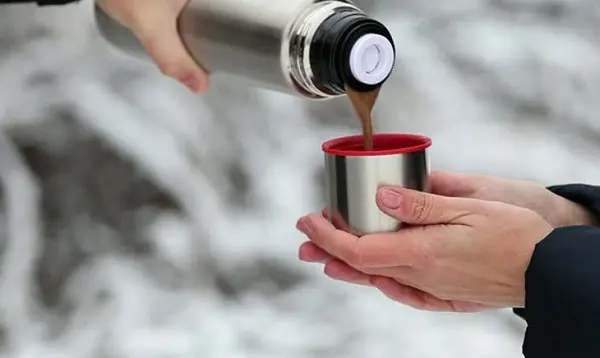
Chapter 8: A Simple Rule That Can Help You Choose the Right Beverage
A thermal flask can be one of the most useful items in your daily routine.
It can keep water cold during a workout, maintain coffee temperature during a commute, or help you carry tea to work. But its usefulness depends on choosing the right beverage and using the container according to its design.
Before pouring a drink into your flask, ask yourself four simple questions.
First: Can this beverage create pressure?
Carbonated drinks release gas and may increase pressure inside a sealed container. Unless the flask is specifically designed for carbonation, avoid using it for fizzy beverages.
Second: Is this beverage perishable?
Milk, dairy-based drinks, smoothies, and some protein beverages require careful temperature control. A flask should not be assumed to keep them safe indefinitely.
Third: Is this beverage highly acidic?
Citrus juices and other acidic drinks may be unsuitable for some materials or damaged containers. Check the manufacturer's guidance.
Fourth: Will this beverage leave difficult residue?
Sweet, thick, creamy, or protein-rich drinks may be harder to clean. If you use your flask for them, clean it promptly and thoroughly.
These questions can help prevent problems before they happen.
It is also worth remembering that not every warning means a beverage will automatically damage every thermal flask. The material, design, product quality, and storage conditions all influence the outcome.
Some flasks are designed for a wider range of beverages than others.
That is why the most reliable advice is to check the instructions for your specific container rather than assuming that every thermal flask has the same limitations.
A small amount of attention can make a big difference.
You may avoid a messy pressure release, prevent an unpleasant smell from developing, reduce the risk of improper storage, and extend the life of a container you use every day.
The next time you reach for your thermal flask, take a moment to think about what you are pouring inside.
Your favorite drink may still be perfectly suitable.
But choosing the right container, storing the beverage correctly, and cleaning the flask properly can make the experience safer, more convenient, and much more enjoyable.
Sometimes, the biggest difference between a useful everyday habit and an unexpected problem is simply knowing what your container was designed to hold.