Most people appreciate honesty, kindness, and integrity. These qualities form the foundation of healthy relationships, strong communities, and trust between individuals. However, not everyone who appears moral, generous, or virtuous in public necessarily behaves the same way behind closed doors.
Psychologists often discuss the difference between genuine character and performative behavior. Genuine morality comes from deeply held values and is reflected consistently in actions. Performative morality, on the other hand, focuses more on creating a positive image than on living according to those values.
This doesn't mean we should become suspicious of everyone around us. Rather, understanding certain behavioral patterns can help us build healthier relationships and avoid disappointment when someone's actions fail to match their words.
Here are four traits that may suggest a person is more concerned with appearing virtuous than actually practicing the values they promote.
What Is Genuine Character?
Before examining these traits, it's important to understand what genuine character looks like.
People with authentic integrity often:
-
Act consistently in public and private
-
Accept responsibility for mistakes
-
Treat others with respect regardless of status
-
Practice what they preach
-
Show humility
Authentic people rarely feel the need to constantly advertise their goodness because their actions speak for themselves.
Trait #1: They Constantly Advertise Their Good Deeds
The Need for Recognition
One common characteristic of performative morality is a strong desire for recognition.
These individuals frequently:
-
Publicize every charitable act
-
Constantly remind others of their generosity
-
Seek praise for helping people
-
Emphasize their sacrifices
Why This Can Be a Red Flag
There is nothing wrong with sharing positive experiences or inspiring others.
However, when every good deed appears carefully designed to gain admiration, the motivation may deserve closer examination.
Genuine Kindness Often Looks Different
People who genuinely help others often do so because they believe it is the right thing to do—not because they expect applause.
In many cases, their contributions remain largely unnoticed.
Trait #2: They Judge Others Harshly While Excusing Their Own Behavior
Double Standards
Another common sign is the tendency to apply different standards to themselves and others.
For example, they may:
-
Criticize others for small mistakes
-
Publicly condemn certain behaviors
-
Demand accountability from everyone else
Yet when they make similar mistakes, they quickly offer excuses.
Why This Happens
Protecting a carefully crafted image often requires avoiding personal accountability.
As a result, these individuals may become defensive when confronted with their own shortcomings.
Healthy People Accept Imperfection
Authentic individuals understand that everyone makes mistakes—including themselves.
Rather than pretending to be flawless, they focus on learning and improving.
Trait #3: Their Words and Actions Don't Match
The Importance of Consistency
One of the strongest indicators of character is consistency.
People reveal who they are not through isolated statements but through repeated actions over time.
Common Examples
Someone may frequently talk about:
-
Honesty
-
Compassion
-
Loyalty
-
Respect
Yet behave very differently when situations become difficult.
Examples might include:
-
Speaking kindly in public but gossiping in private
-
Advocating fairness while treating people unequally
-
Promoting honesty while being deceptive
Why Actions Matter More Than Words
Words are easy.
Actions require commitment, sacrifice, and consistency.
Over time, behavior almost always reveals more than promises or declarations.
Trait #4: They Use Morality as a Tool for Control
Moral Superiority
Some individuals use moral language not to encourage positive behavior but to gain power or influence.
They may attempt to:
-
Shame others
-
Manipulate conversations
-
Establish themselves as morally superior
-
Control group dynamics
The Problem
Healthy morality inspires.
Manipulative morality intimidates.
When someone constantly positions themselves as the ultimate judge of others, relationships can become unbalanced and unhealthy.
Genuine Leaders Lead Differently
Authentic leaders usually:
-
Encourage growth
-
Listen to different perspectives
-
Show empathy
-
Admit when they are wrong
They do not rely on moral superiority to gain influence.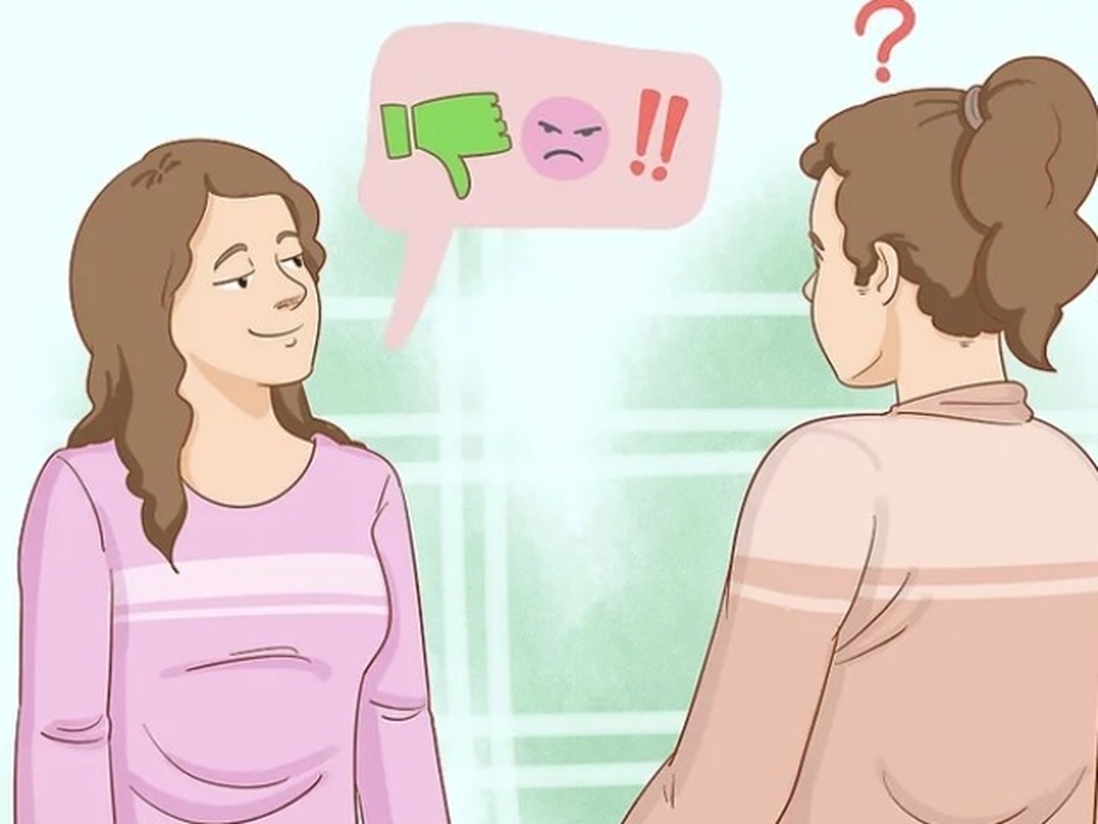
Why People Engage in Performative Morality
Human behavior is complex.
Many individuals who display these traits are not necessarily malicious.
Desire for Approval
People naturally seek acceptance and validation.
Fear of Criticism
Maintaining a positive image can sometimes become more important than personal growth.
Social Pressure
Modern social environments often reward appearance and perception.
Insecurity
Some individuals use moral posturing to compensate for feelings of inadequacy.
Understanding these motivations does not excuse harmful behavior, but it can provide perspective.
The Difference Between Confidence and Moral Grandstanding
It's important not to confuse confidence with performative morality.
Confident individuals may:
-
Express strong values
-
Advocate for causes
-
Share opinions openly
The key difference lies in consistency and motivation.
Authentic confidence focuses on principles.
Moral grandstanding often focuses on personal image.
How to Protect Yourself
Recognizing these traits can help you establish healthier boundaries.
Observe Actions Over Time
Don't judge people solely by first impressions.
Pay attention to patterns.
Look for Consistency
Notice whether behavior matches stated values.
Trust Your Observations
Repeated contradictions often reveal important information.
Set Healthy Boundaries
You do not need to engage in relationships that leave you feeling manipulated, judged, or controlled.
Avoid Becoming Cynical
Not everyone who talks about values is being insincere.
Many genuinely strive to live according to their beliefs.
Signs of Genuine Integrity
To balance the discussion, it is useful to recognize qualities often associated with authentic character.
Humility
They do not need constant recognition.
Accountability
They admit mistakes and learn from them.
Consistency
Their behavior remains relatively stable across situations.
Respect
They treat people well regardless of social status or personal benefit.
Empathy
They seek understanding rather than judgment.
Why Character Matters More Than Image
In today's world, appearances can be carefully managed.
Social media, professional networks, and public interactions often encourage people to present idealized versions of themselves.
However, relationships built solely on image tend to be fragile.
Trust develops through:
-
Reliability
-
Honesty
-
Consistency
-
Authenticity
These qualities cannot be manufactured indefinitely.
Eventually, actions reveal the truth.
Common Mistakes When Evaluating Others
Expecting Perfection
Everyone has flaws.
Occasional mistakes do not necessarily indicate hypocrisy.
Making Quick Judgments
One interaction rarely tells the whole story.
Ignoring Patterns
Repeated behavior is usually more informative than isolated incidents.
Confusing Popularity With Character
Being admired does not automatically mean someone possesses integrity.
Building Authentic Relationships
The healthiest relationships are based on mutual respect and authenticity.
Seek people who:
-
Keep their promises
-
Admit mistakes
-
Treat others fairly
-
Support growth
-
Demonstrate consistency
These qualities often create stronger connections than charisma or public reputation alone.
Final Thoughts
Not everyone who appears virtuous is necessarily insincere, but it is wise to pay attention to behavior rather than words alone. Constant self-promotion, double standards, inconsistency between words and actions, and the use of morality as a tool for control can sometimes indicate that someone is more concerned with appearing good than genuinely living according to their stated values.
The goal is not to become suspicious of others but to develop better judgment. By observing patterns, valuing consistency, and setting healthy boundaries, we can build relationships based on authenticity rather than appearances.
In the end, true character is rarely demonstrated through grand declarations. It is revealed quietly through everyday actions, especially when no one is watching.