
Not Everyone Who Appears Virtuous Is Genuine – Here Are 4 Traits to Watch For
People Who Constantly Pretend to Be Virtuous Often Share These 4 Behavioral Traits
Facts 14/06/2026 12:06
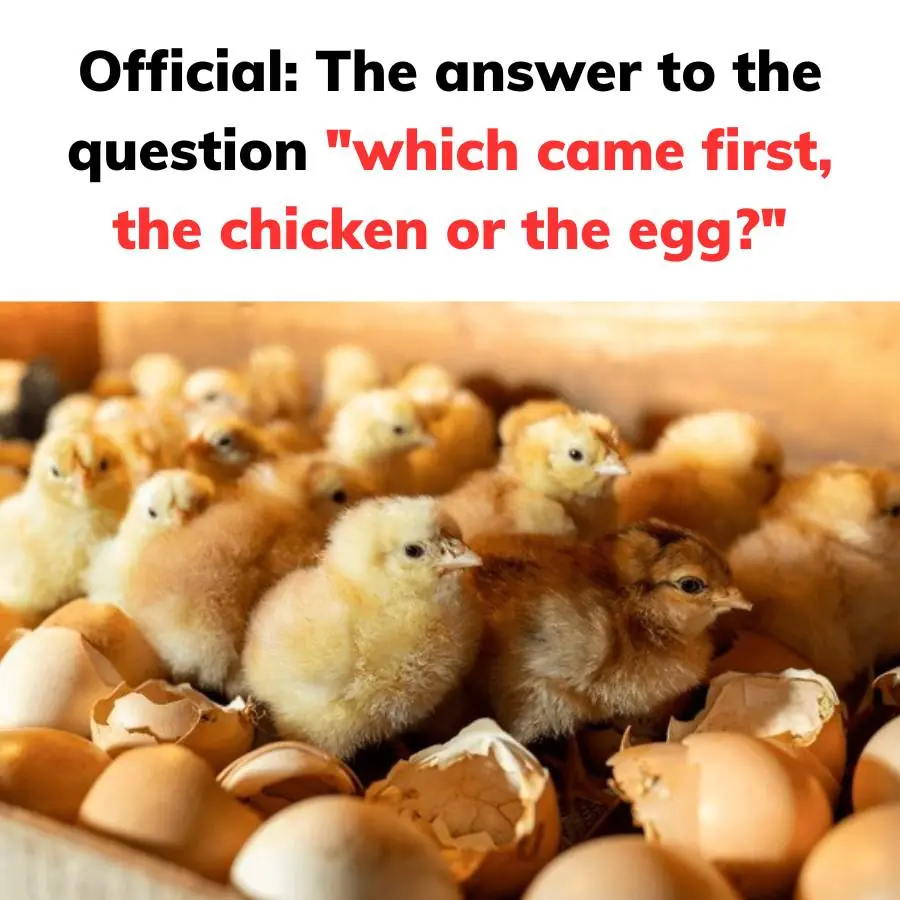
The age-old puzzle of "which came first, the chicken or the egg?" has been solved by scientists. A fossilized prehistoric creature discovered in 2017 has led experts to conclude that eggs appeared long before the first animals evolved, implying that they predate chickens.
Chromosphaera perkinsii, a single-celled organism found in Hawaii, was first identified at least a billion years ago and underwent cell division to produce what appeared to be the precursor to eggs.
Scientists from the University of Geneva discovered that the creature formed multicellular structures that bore striking similarities to animal embryos.
The findings, published in the journal Nature, suggest that eggs existed long before the first animals emerged. "Although Chromosphaera perkinsii is unicellular, this behavior suggests that multicellular differentiation and coordination were already occurring in this species long before the first animals appeared on Earth," said study lead author Omaya Dudin.
Single-celled life forms such as yeast or some bacteria also appeared on this planet long before multicellular organisms such as animals developed from a single egg cell into complex organisms.
This embryonic development follows very specific stages that are known to be very similar across animal species.
Researchers now suspect that this process occurred much earlier, dating back to the time before animals emerged. But exactly how the transition from single-celled to multicellular organisms occurred remains poorly understood.
In the new study, scientists assessed the ancestral life form C perkinsii, which diverged from the animal evolutionary lineage more than a billion years ago, and found important insights into the mechanisms behind the transition to multicellular life.
They found that when C perkinsii reached its maximum size, it divided without growing any further, forming multicellular colonies that resembled the early stages of an animal embryo. The colonies, which contained at least two distinct cell types, persisted for about a third of their lifespan, a phenomenon the researchers called “surprising” for this type of organism.
They say the way these populations divide into distinct three-dimensional structures is “strikingly reminiscent” of the earliest steps involved in embryonic development in animals.
Based on this discovery, the researchers say the genetic tools needed to “make eggs” existed long before nature “invented chickens” more than a billion years ago.
However, it is possible that the mechanisms behind multicellular development may have evolved separately in C perkinsii, and the researchers said they hope that further studies of the organism will reveal which case is more likely.
“It is fascinating that a recently discovered species allows us to go back more than a billion years in time,” said Marine Olivetta, another author of the study.
People Who Constantly Pretend to Be Virtuous Often Share These 4 Behavioral Traits

This Jewelry Trend Is About More Than Fashion

Your body shifts into repair mode during sleep.

A woman who suffered from intense itching at night was shocked to discover that the symptom was linked to a serious underlying illness. According to reports, what initially seemed like a simple skin problem eventually led doctors to diagnose an advanced f

The Real Reason Your Cat Chooses Your Bed Every Night

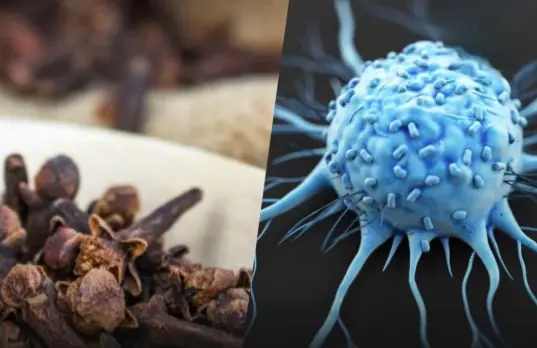

Initially, tongue cancer only shows signs of ulcers on the tongue, which can be easily mistaken for canker sores.

The warning signs your appliance may be sending you
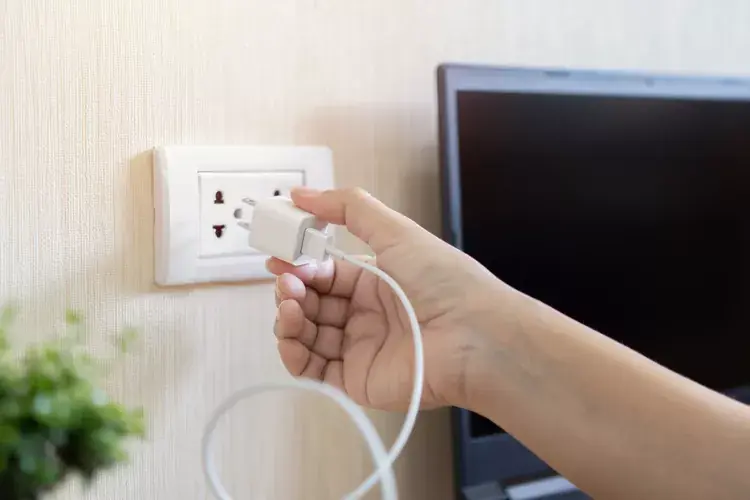
Electrical Safety Starts at Home: 5 Appliances to Consider Unplugging After Use

The Surprising Reasons Some Smartphone Users Prefer Going Caseless

Why Cordyceps, the Famous "Caterpillar Fungus," Was Once Worth a Fortune?
👇 What Most People Wish They Knew Before Having a Colonoscopy
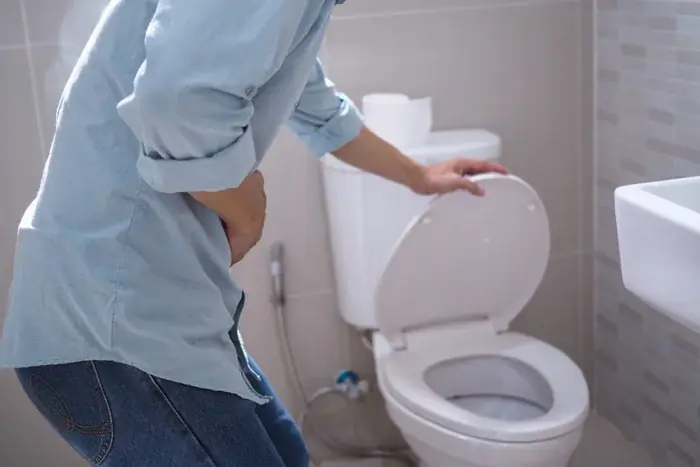
When Does a Bathroom Habit Become a Cau.se for Con.cern?
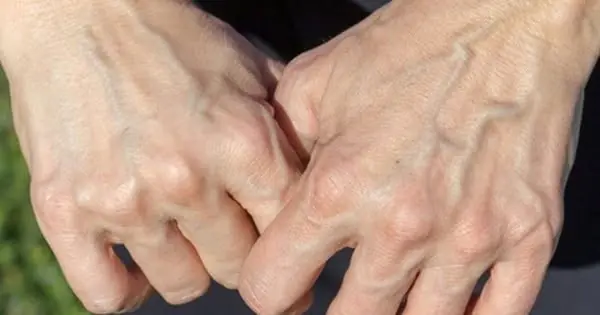
Why Do Visible Ve.ins Appear?

Why Should You Leave the Bathroom Light On in a Hotel?

You've Probably Seen Water Bottles Outside Japanese Homes - Here's Why They're There
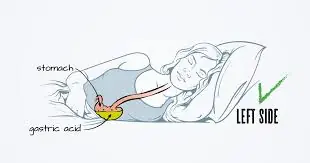
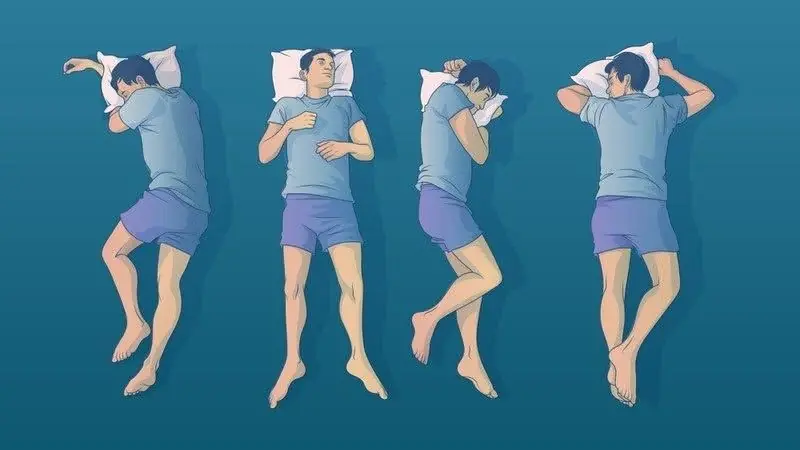
😲 Many People Sleep on Their Right Side Without Knowing These Important Facts
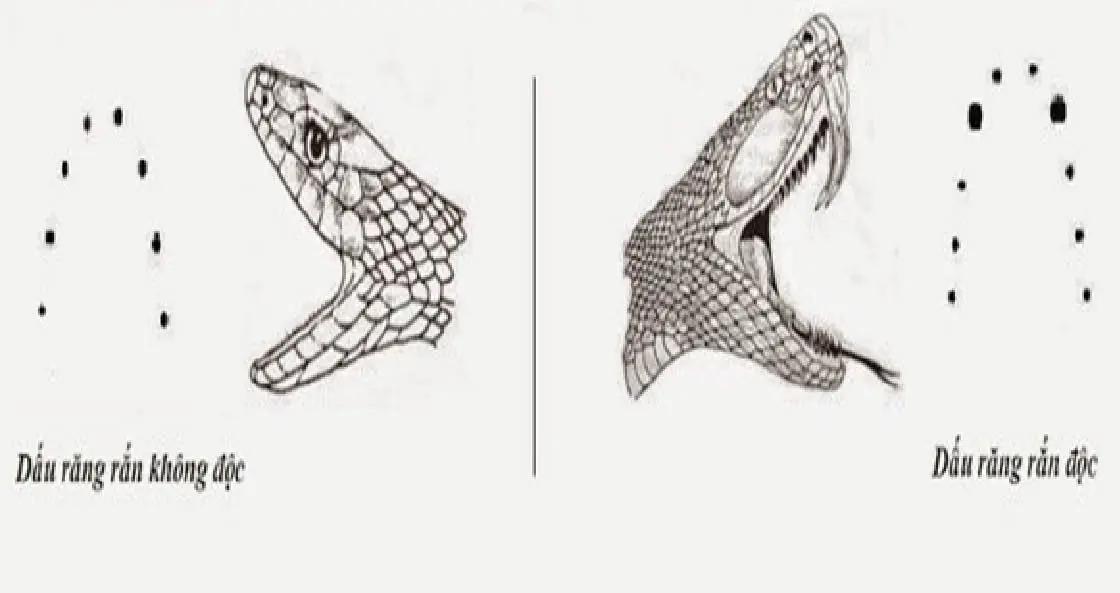
😲 What Happens After a Snake Bite? Experts Say These Early Steps Are Crucial

😱 Adding Eggs and Sweet Potatoes to Your Morning Routine May Bring These 13 Surprising Changes
Understanding White Spots on the Extremities: Causes and Clinical Meanings.

Doctors Urge People to Pay Attention to These Warning Signs

The Surprising Foods That Could Pose Hidden Health Risks
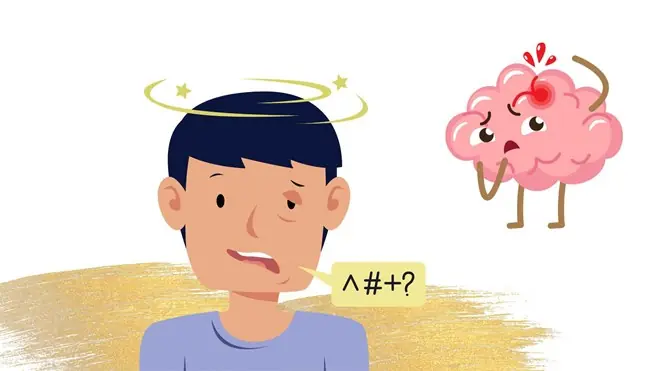
Some Strokes Are Preceded by Noticeable Warning Signs - Know These 4 Symptoms and Act Quickly

What Really Happens When Lemon Water Becomes a Daily Habit?

12 Foods That May Help Support Healthy Blood Flow and Cardiovascular Health, According to Research

Before Bed Tonight, Consider Whether You're Doing These 3 Common Things
People Who Constantly Pretend to Be Virtuous Often Share These 4 Behavioral Traits

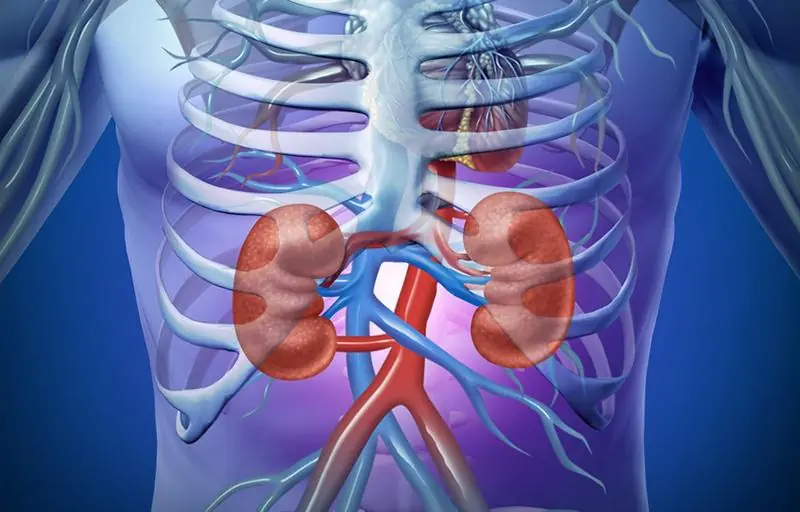
What Your Body Is Trying to Tell You at Night About Your Kid.ney Health
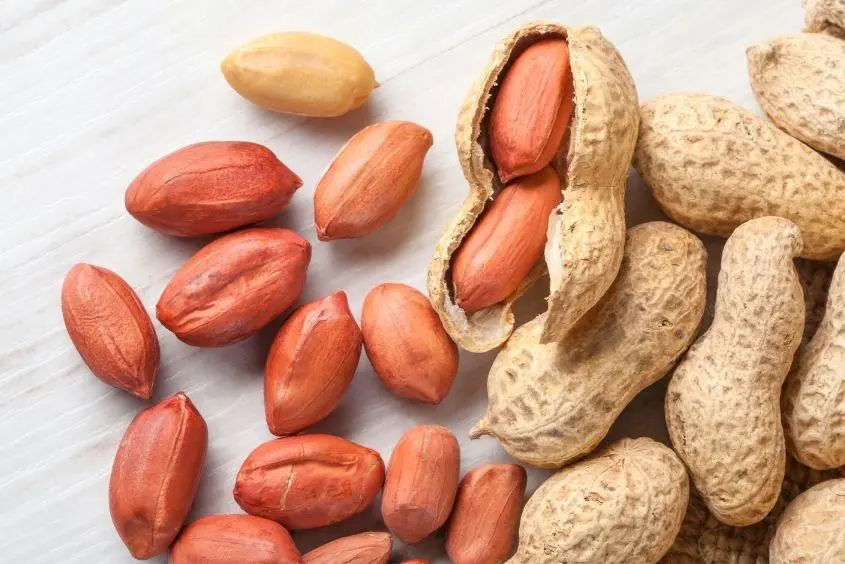
What Happens to Your Body When You Eat Peanuts Every Day?
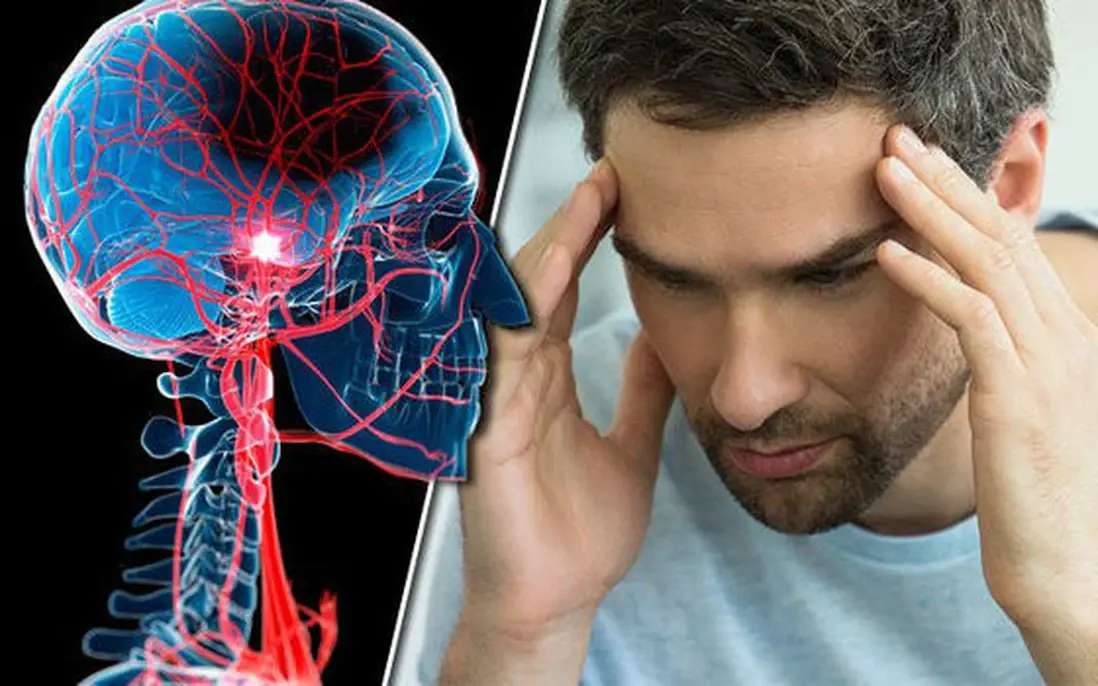
Doctors Say These Aneurysm Symptoms Should Never Be Ignored ⚠️

Most People Eat Sweet Potatoes Without Knowing This Important Detail 👇
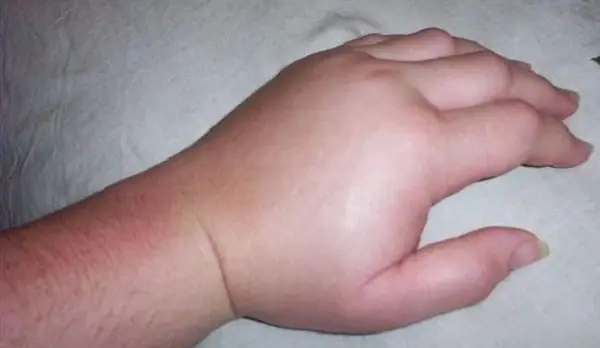
Swollen Hands and Feet Are More Common Than You Think — But They Shouldn't Be Ignored

The Hidden Dangers of an Unhealthy Breakfast Habit

5 Surprising Water-Drinking Mistakes That Could Impact Your Body
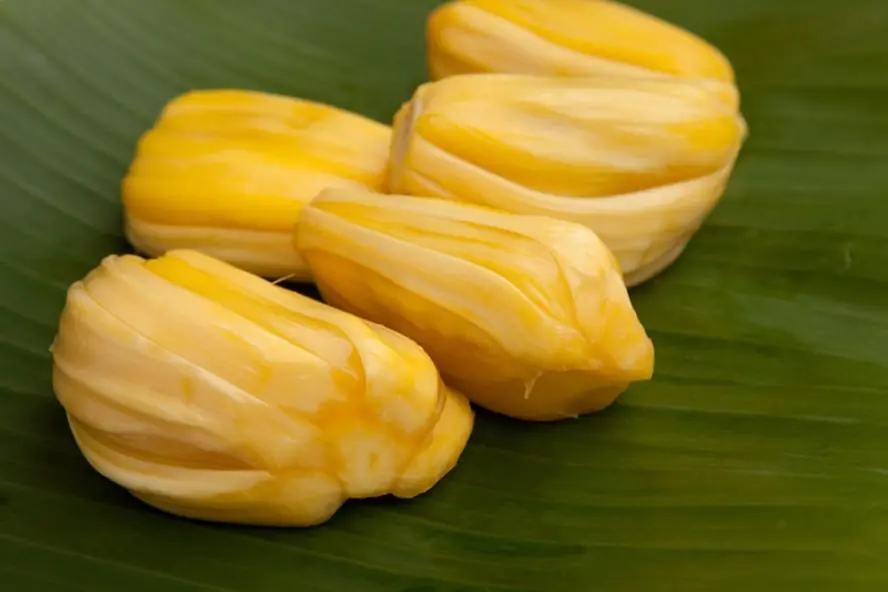
Jackfruit Offers Many Health Benefits, but Certain People May Need to Limit or Avoid It