Over 200 People Di.e Each Year from the “World’s Dea.dliest Food”—Yet Nearly 500 Million Still Eat It
When people think of dangerous foods, they often imagine exotic dishes or rare ingredients. But one of the most dangerous foods in the world is something surprisingly common—and eaten daily by hundreds of millions of people.
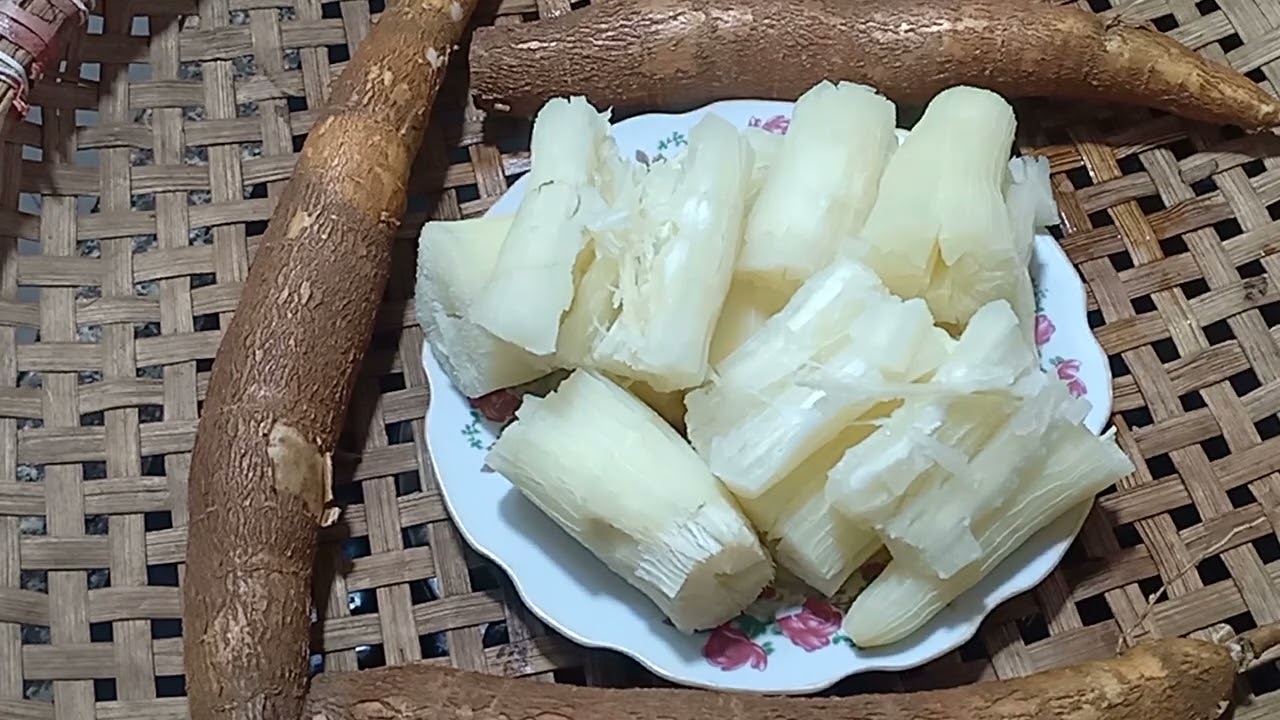
That food is cassava.
A staple with a hidden danger
Cassava is a root vegetable widely consumed in parts of Africa, Asia, and Latin America. It is a major source of carbohydrates and plays a vital role in feeding populations in regions facing food insecurity.
In fact, nearly 500 million people rely on cassava as part of their regular diet.
Despite its importance, cassava carries a serious risk when not prepared correctly.
Why it’s called the “world’s deadliest food”
Cassava naturally contains compounds known as cyanogenic glucosides. When the plant is eaten raw or improperly processed, these compounds can release hydrogen cyanide—a highly toxic substance.
According to the World Health Organization, around 200 people die each year due to cassava poisoning.
This is why it has earned the alarming nickname: the “world’s deadliest food.”
The risks go beyond poisoning
In addition to acute poisoning, long-term exposure to improperly prepared cassava can lead to serious health conditions.
One of the most notable is konzo—a neurological disorder that causes irreversible paralysis of the legs. This condition is often linked to diets heavily reliant on poorly processed cassava, especially in communities with limited protein intake.
Outbreaks are more likely to occur during times of famine or crisis, when people may skip proper preparation methods.
Why people still eat it
Despite the risks, cassava remains essential for millions of people around the world.
There are several reasons for this:
- It grows well in poor soil and harsh climates
- It is drought-resistant and reliable
- It provides a high-calorie food source
- It is often one of the few available staples in low-income regions
For many communities, cassava is not just a choice—it is a necessity.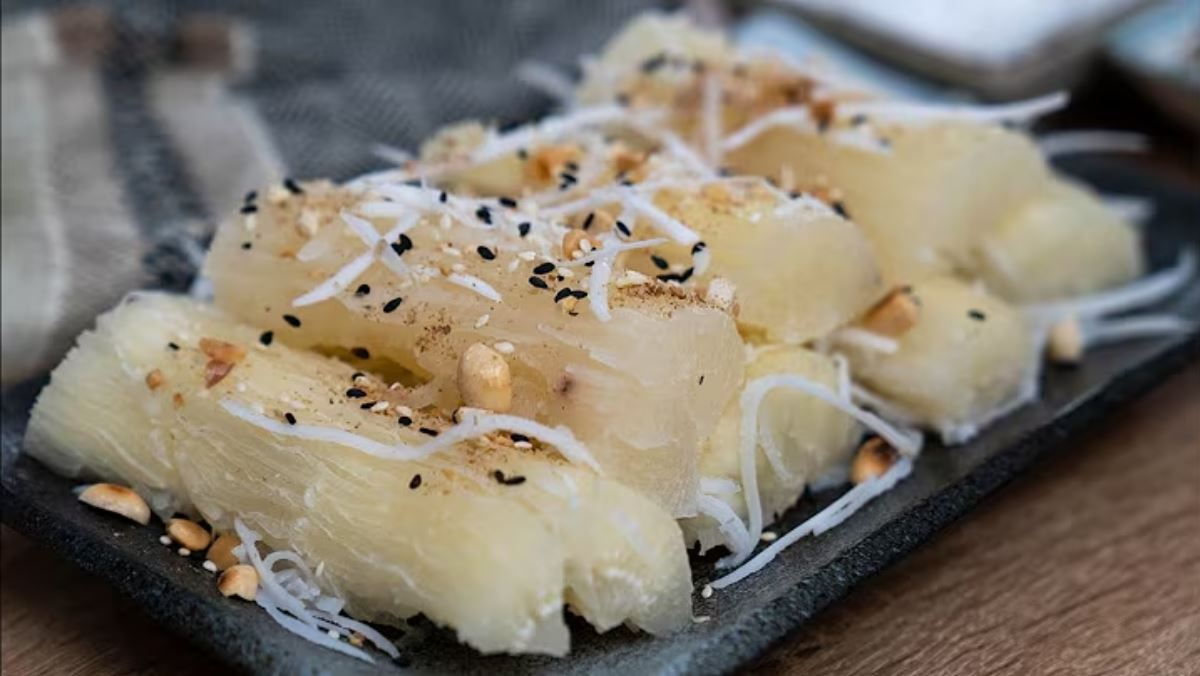
How cassava can be made safe
The danger of cassava lies not in the food itself, but in how it is prepared.
Traditional processing methods can significantly reduce its toxicity, including:
- Peeling and washing thoroughly
- Soaking in water for extended periods
- Boiling or cooking properly
When handled correctly, cassava becomes safe to eat and remains an important part of a balanced diet.
A food of survival—and risk
Cassava represents a complex reality. It is both a life-saving staple and a potential danger.
For millions, it provides essential nutrition. But without proper knowledge and preparation, it can become deadly.
The bottom line
Cassava continues to feed nearly half a billion people worldwide, even though it causes over 200 deaths each year when improperly prepared.
It is a powerful reminder that even the most common foods can carry hidden risks—and that knowledge can make the difference between danger and survival.
