Early Detection of Pancreatic Cancer Is Crucial: Know the Warning Signs and Symptoms
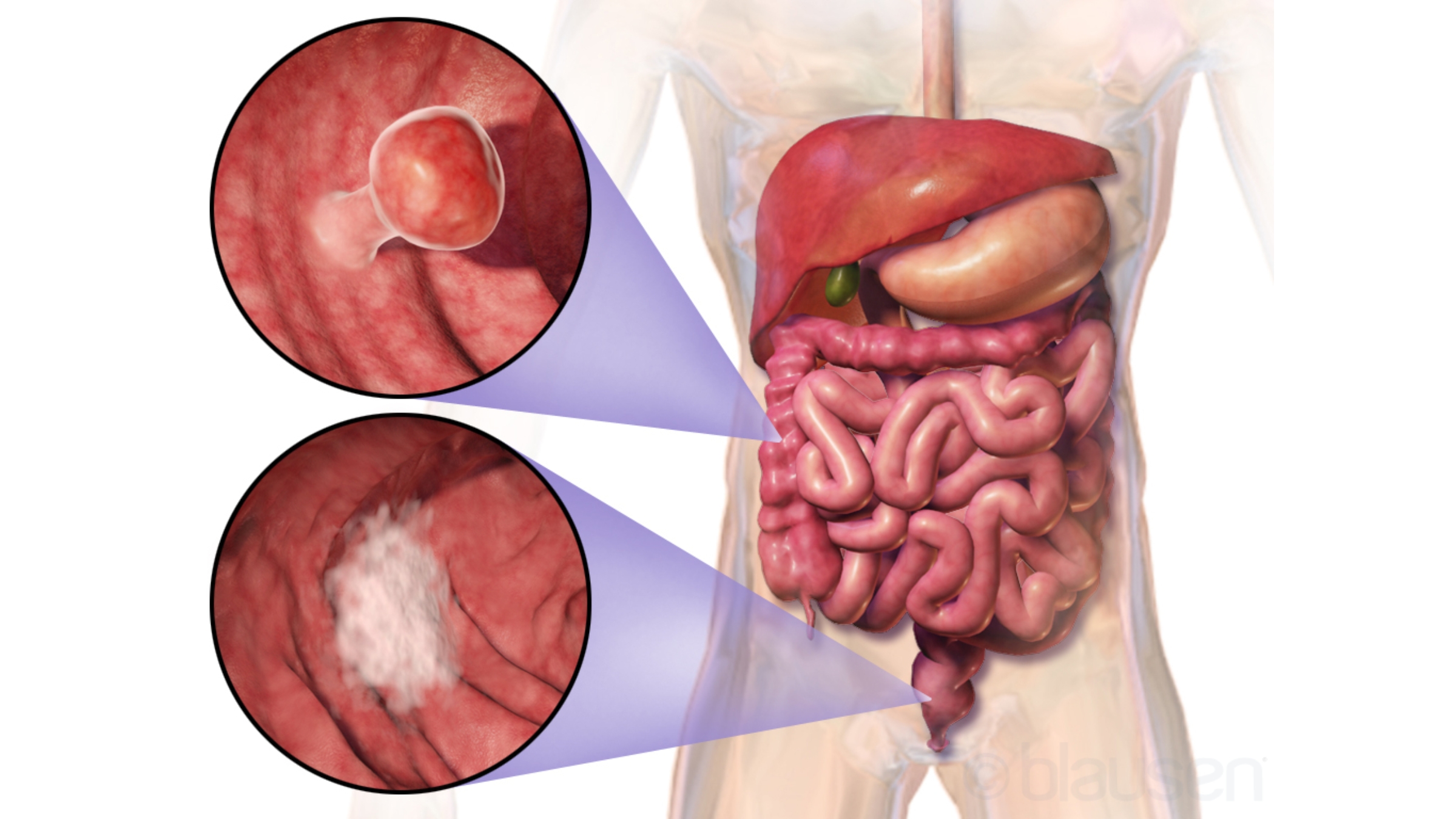
Pancreatic cancer is often called a “silent disease” because it can develop for months or even years before causing noticeable symptoms. Unfortunately, by the time many people receive a diagnosis, the cancer has already spread beyond the pancreas, making treatment more difficult. That is why recognizing potential warning signs early and seeking medical attention promptly can be extremely important.
Why Pancreatic Cancer Is Difficult to Detect
The pancreas is located deep within the abdomen, behind the stomach. Because of its hidden location, small tumors may not cause pain or obvious symptoms during the early stages. Unlike some other cancers, there is currently no routine screening test recommended for the general population, making awareness of symptoms especially important.
While many of the symptoms listed below can be caused by conditions other than cancer, persistent or unexplained changes should never be ignored.
1. Yellowing of the Skin and Eyes (Jaundice)
One of the most common warning signs of pancreatic cancer is jaundice. This occurs when a tumor blocks the bile duct, causing bilirubin to build up in the body.
Symptoms of jaundice may include:
- Yellowing of the skin
- Yellowing of the whites of the eyes
- Dark-colored urine
- Pale or greasy stools
- Itchy skin
Because jaundice can also be linked to liver disease, gallstones, and other conditions, medical evaluation is essential.
2. Unexplained Weight Loss
Losing weight without changing your diet or exercise habits may be a warning sign. Pancreatic cancer can interfere with digestion and reduce the body's ability to absorb nutrients properly. It may also affect appetite, causing people to eat less than usual.
If significant weight loss occurs unexpectedly, it is worth discussing with a healthcare professional.
3. Persistent Abdominal or Back Pain
Pain in the upper abdomen that radiates toward the back can occur when a tumor presses on nearby nerves or organs.
This pain may:
- Feel dull and persistent
- Worsen after eating
- Become more noticeable when lying down
- Improve slightly when leaning forward
Although abdominal and back pain are common complaints with many possible causes, persistent discomfort should not be ignored.
4. Digestive Problems
The pancreas produces enzymes that help digest food. When cancer interferes with this process, digestive symptoms may develop, including:
- Nausea
- Vomiting
- Bloating
- Indigestion
- Diarrhea
- Oily or foul-smelling stools
Some people may notice they feel full quickly even after eating only a small amount of food.
5. New-Onset Diabetes
Researchers have found that some people develop diabetes shortly before being diagnosed with pancreatic cancer. The disease can damage insulin-producing cells within the pancreas, leading to elevated blood sugar levels.
Warning signs may include:
- Increased thirst
- Frequent urination
- Fatigue
- Blurred vision
While most cases of diabetes are not caused by cancer, a sudden diagnosis—especially in older adults without typical risk factors—may warrant further investigation.
6. Loss of Appetite
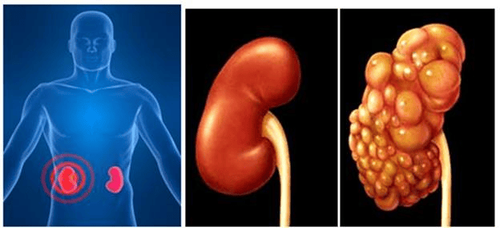
Many individuals with pancreatic cancer report a reduced desire to eat. This can contribute to weight loss and fatigue over time.
If a loss of appetite persists for several weeks without a clear explanation, it is important to discuss it with a healthcare provider.
7. Extreme Fatigue
Persistent tiredness that does not improve with rest can sometimes accompany pancreatic cancer. Cancer-related fatigue often feels different from ordinary tiredness and may interfere with daily activities.
Who May Be at Higher Risk?
Several factors may increase the risk of pancreatic cancer, including:
- Smoking
- Chronic pancreatitis
- Obesity
- Type 2 diabetes
- Family history of pancreatic cancer
- Certain inherited genetic mutations
- Older age
Having one or more risk factors does not mean a person will develop pancreatic cancer, but it may increase the importance of monitoring symptoms and maintaining regular medical checkups.
When Should You See a Doctor?
Many symptoms of pancreatic cancer can also be caused by less serious conditions. However, medical evaluation is recommended if you experience:
- Persistent jaundice
- Unexplained weight loss
- Ongoing abdominal or back pain
- New digestive problems
- Sudden diabetes diagnosis
- Symptoms lasting more than one to two weeks
Early diagnosis can significantly improve treatment options and outcomes.
Final Thoughts
Pancreatic cancer remains one of the most challenging cancers to detect early because its symptoms are often subtle and easy to overlook. Nevertheless, paying attention to changes in your body—especially jaundice, unexplained weight loss, persistent abdominal pain, digestive problems, or new-onset diabetes—may help identify potential issues sooner.
While these symptoms do not necessarily mean cancer is present, recognizing them and seeking timely medical advice could make a meaningful difference. When it comes to pancreatic cancer, early detection remains one of the most powerful tools available.