Your body shifts into repair mode during sleep. Heart rate slows, breathing changes, and blood pressure naturally drops. Certain beverages can disrupt this process by affecting blood sugar, heart rhythm, digestion, or fluid balance. For people with high blood pressure, diabetes, heart disease, or kidney issues, these effects can be more serious.
Also, nighttime drinking can lead to frequent urination, dehydration, or electrolyte imbalance—problems that can cause dizziness, irregular heartbeat, or worsening swelling in the legs and lungs.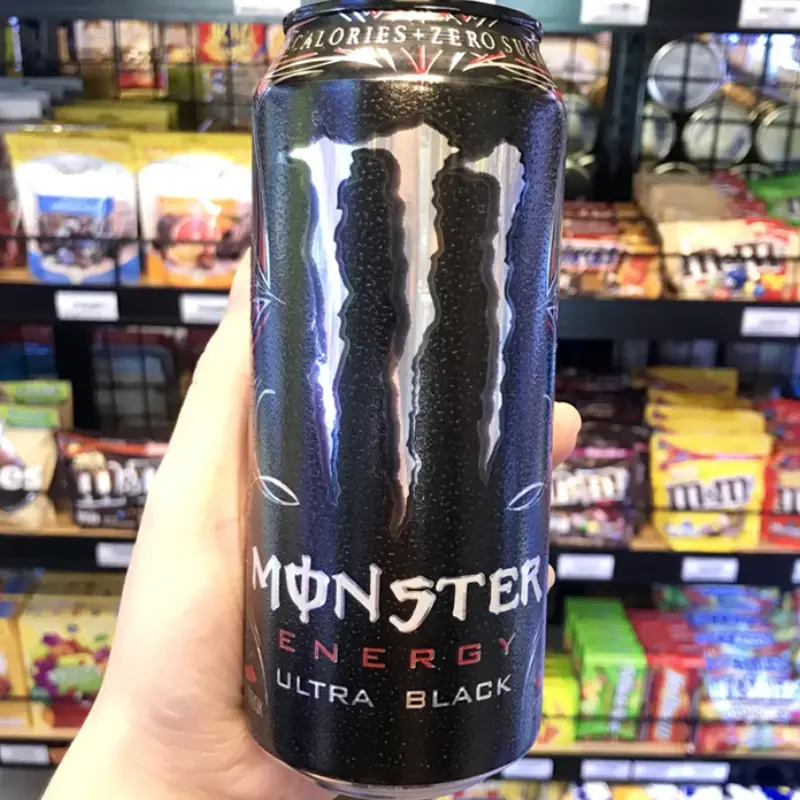
1) Sugary Drinks (Including Soda and Sweet Juice)
Sugary beverages are one of the worst choices before bed. They can cause a rapid spike in blood sugar, which forces the body to release insulin. For people with diabetes or prediabetes, this can lead to dangerous fluctuations overnight, poor sleep quality, and higher inflammation.
Even “healthy” fruit juice can be loaded with sugar and may increase the risk of nighttime acid reflux. Over time, regular nighttime sugar intake is linked to weight gain and metabolic stress.
Better option: plain water, warm unsweetened herbal tea, or a small sip of low-sugar electrolyte water if needed.
2) Alcohol (Beer, Wine, and Spirits)
Alcohol might make you sleepy at first, but it often causes fragmented sleep, dehydration, and increased urination. More importantly, alcohol can trigger irregular heart rhythms, raise blood pressure, and worsen sleep apnea.
For older adults or anyone with heart disease, alcohol at night can be risky because it may contribute to dangerous drops in oxygen or unstable heart rhythms during sleep.
Better option: sparkling water with lemon, chamomile tea, or simply reduce nighttime thirst by hydrating earlier in the day.
3) Caffeinated Drinks (Coffee, Tea, Energy Drinks)
Caffeine is a stimulant that stays in the body for hours. Even if you feel “fine,” it can increase heart rate, anxiety, and stress hormones. In sensitive individuals, caffeine can contribute to palpitations or high blood pressure while sleeping.
Energy drinks are particularly concerning because they may contain high caffeine plus sugar and other stimulants—an unhealthy combination late at night.
Better option: caffeine-free herbal teas or warm water. If you crave tea, choose decaf and drink it earlier.
4) Extremely Cold Water (Especially for High-Risk People)
Cold water isn’t dangerous for everyone. But doctors warn that for people with certain conditions—especially older adults, those with heart issues, or people prone to fainting—very cold drinks can sometimes trigger a reflex that affects heart rate and blood pressure.
This is rare, but it’s one reason some specialists recommend avoiding large amounts of icy drinks right before lying down, especially if you have cardiovascular concerns or a history of dizziness.
Better option: room-temperature water or warm water.
How to Drink Safely at Night
If you feel thirsty before bed, don’t ignore it—but drink smart:
-
Take small sips, not a large glass
-
Choose plain, room-temperature water
-
Avoid drinking within 30–60 minutes of bedtime if nighttime urination is an issue
-
Hydrate consistently during the day so you’re not overly thirsty at night
When Nighttime Thirst Is a Red Flag
If you’re often waking up very thirsty, it could be more than dehydration. See a doctor if you also notice:
-
Frequent urination
-
Sudden swelling in legs or feet
-
Unexplained fatigue
-
Rapid heartbeat or shortness of breath
-
Dry mouth that doesn’t improve
These can be signs of diabetes, kidney problems, sleep apnea, or heart issues.