Your skin is the body's largest organ and often provides valuable clues about your overall health. While many skin changes are harmless, new or persistent red spots may sometimes indicate an underlying condition that deserves attention. Fortunately, most tiny red spots are not a sign of a serious illness, but understanding what they may represent can help you know when it's appropriate to seek medical advice.
Tiny red spots can appear for many reasons, including aging, minor injuries, allergies, infections, skin conditions, or changes in blood vessels. Because there are many possible causes, it's important not to jump to conclusions based on appearance alone.
Let's take a closer look at some of the most common causes of small red spots on the skin and when they may warrant a medical evaluation.
Why Does the Skin Develop Tiny Red Spots?
Small red spots develop when:
-
Tiny blood vessels become more visible.
-
Blood leaks into the skin.
-
Skin becomes inflamed.
-
Blood vessel growth increases.
-
The immune system reacts to irritation or infection.
The appearance, location, size, and whether the spots blanch (turn white when pressed) can help healthcare professionals identify the underlying cause.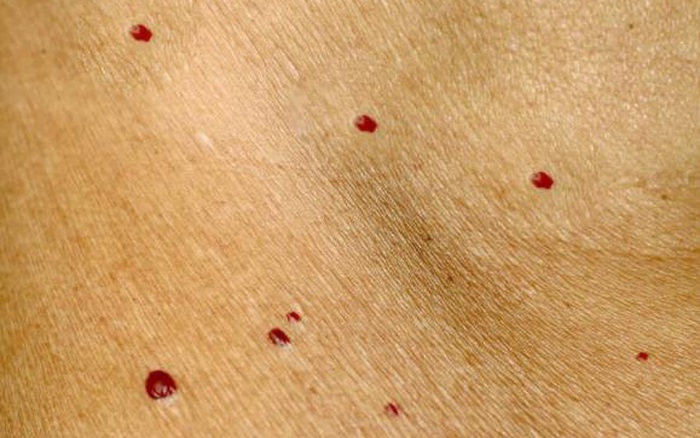
1. Cherry Angiomas
One of the most common causes of tiny bright-red spots is cherry angiomas.
What Are They?
Cherry angiomas are small, benign growths made up of tiny blood vessels.
They often:
-
Are bright red, dark red, or purple
-
Measure a few millimeters across
-
Appear on the chest, back, arms, or abdomen
-
Become more common with age
They are harmless and usually require no treatment unless they bleed frequently or are removed for cosmetic reasons.
2. Petechiae
Petechiae are tiny red, purple, or brown spots caused by small amounts of bleeding beneath the skin.
Unlike many rashes, petechiae usually do not fade when you press on them.
Possible causes include:
-
Minor trauma
-
Intense coughing or vomiting
-
Certain medications
-
Viral infections
-
Low platelet counts
-
Blood-clotting disorders
Because petechiae can occasionally signal a serious medical condition, especially when accompanied by fever or illness, they should be evaluated promptly.
3. Allergic Reactions
Skin allergies may produce:
-
Small red bumps
-
Itching
-
Swelling
-
Hives
Common triggers include:
-
Foods
-
Medications
-
Insect bites
-
Cosmetics
-
Laundry detergents
-
Plants
Most allergic skin reactions improve after avoiding the trigger, but severe reactions require immediate medical attention.
4. Heat Rash
Heat rash commonly develops when sweat ducts become blocked.
It often appears as:
-
Tiny red bumps
-
Itching
-
A prickling sensation
Common locations include:
-
Neck
-
Chest
-
Back
-
Skin folds
Keeping the skin cool and dry usually helps symptoms improve.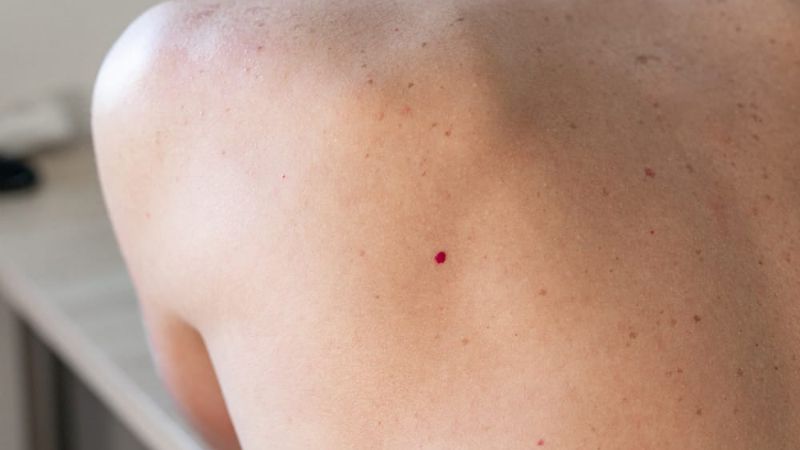
5. Eczema
Eczema is a chronic inflammatory skin condition.
Symptoms may include:
-
Red patches
-
Dry skin
-
Itching
-
Cracked skin
Although eczema often begins in childhood, it can occur at any age.
Treatment focuses on moisturizing the skin and reducing inflammation.
6. Folliculitis
Folliculitis occurs when hair follicles become inflamed.
It may appear as:
-
Small red bumps
-
Pus-filled pimples
-
Tender skin
-
Itching
Possible causes include:
-
Bacterial infection
-
Friction from clothing
-
Shaving
-
Excess sweating
Most mild cases improve with proper skin care.
7. Keratosis Pilaris
Often called "chicken skin," keratosis pilaris is a common and harmless skin condition.
It causes:
-
Tiny rough bumps
-
Mild redness
-
Dry skin
It most commonly affects:
-
Upper arms
-
Thighs
-
Cheeks
Regular moisturizing often improves its appearance.
8. Rosacea
Rosacea is a chronic skin condition affecting the face.
Symptoms may include:
-
Persistent redness
-
Visible blood vessels
-
Small red bumps
-
Flushing
Certain foods, alcohol, sunlight, and hot beverages may trigger flare-ups.
9. Insect Bites
Mosquitoes, fleas, bedbugs, and other insects can leave:
-
Small red spots
-
Itching
-
Swelling
Most insect bites improve within several days.
Avoid scratching to reduce the risk of infection.
10. Skin Infections
Certain bacterial, viral, or fungal infections can produce red spots.
Examples include:
-
Impetigo
-
Chickenpox
-
Shingles
-
Ringworm
Treatment depends on the underlying cause.
When Tiny Red Spots May Require Medical Attention
Although many red spots are harmless, some situations deserve prompt evaluation.
Arrange a medical appointment if the spots:
-
Appear suddenly without explanation.
-
Continue spreading.
-
Do not improve after several weeks.
-
Bleed easily.
-
Become painful.
-
Develop signs of infection such as warmth or pus.
-
Are accompanied by unexplained bruising.
Symptoms That Should Never Be Ignored
Seek immediate medical care if tiny red spots occur together with:
-
High fever
-
Severe headache
-
Neck stiffness
-
Difficulty breathing
-
Confusion
-
Rapidly spreading rash
-
Persistent bleeding
-
Severe weakness
These symptoms may indicate a serious medical emergency.
Can Stress Cause Red Spots?
Stress itself usually does not directly create tiny red blood vessel spots.
However, stress may worsen certain skin conditions such as:
-
Eczema
-
Psoriasis
-
Rosacea
-
Hives
Managing stress may help reduce flare-ups in susceptible individuals.
How Doctors Diagnose Skin Spots
A healthcare provider may evaluate:
-
The appearance of the spots
-
Medical history
-
Current medications
-
Recent illnesses
-
Allergies
-
Family history
If needed, additional testing may include:
-
Blood tests
-
Allergy testing
-
Skin biopsy
-
Dermoscopy
-
Imaging studies in selected situations
Diagnosis depends on the overall clinical picture rather than appearance alone.
Tips for Healthy Skin
Keeping your skin healthy may reduce the risk of irritation and certain skin problems.
Healthy habits include:
-
Moisturizing regularly.
-
Using sunscreen daily.
-
Avoiding harsh soaps.
-
Staying hydrated.
-
Eating a balanced diet rich in fruits and vegetables.
-
Avoiding unnecessary scratching.
-
Wearing breathable clothing during hot weather.
These habits support overall skin health but cannot prevent every skin condition.
Common Myths About Red Spots
Myth 1: Every Red Spot Is Dangerous
False.
Most tiny red spots are harmless and caused by common skin conditions.
Myth 2: Cherry Angiomas Become Cancer
False.
Cherry angiomas are benign growths and do not become skin cancer.
Myth 3: Red Spots Always Mean Poor Circulation
False.
Many skin conditions unrelated to circulation can produce red spots.
When Should You See a Dermatologist?
Consider seeing a dermatologist if:
-
New spots appear rapidly.
-
Existing spots change significantly.
-
Spots repeatedly bleed.
-
You experience persistent itching or pain.
-
Over-the-counter treatments are ineffective.
-
The diagnosis remains uncertain.
Early evaluation can provide reassurance or identify conditions that require treatment.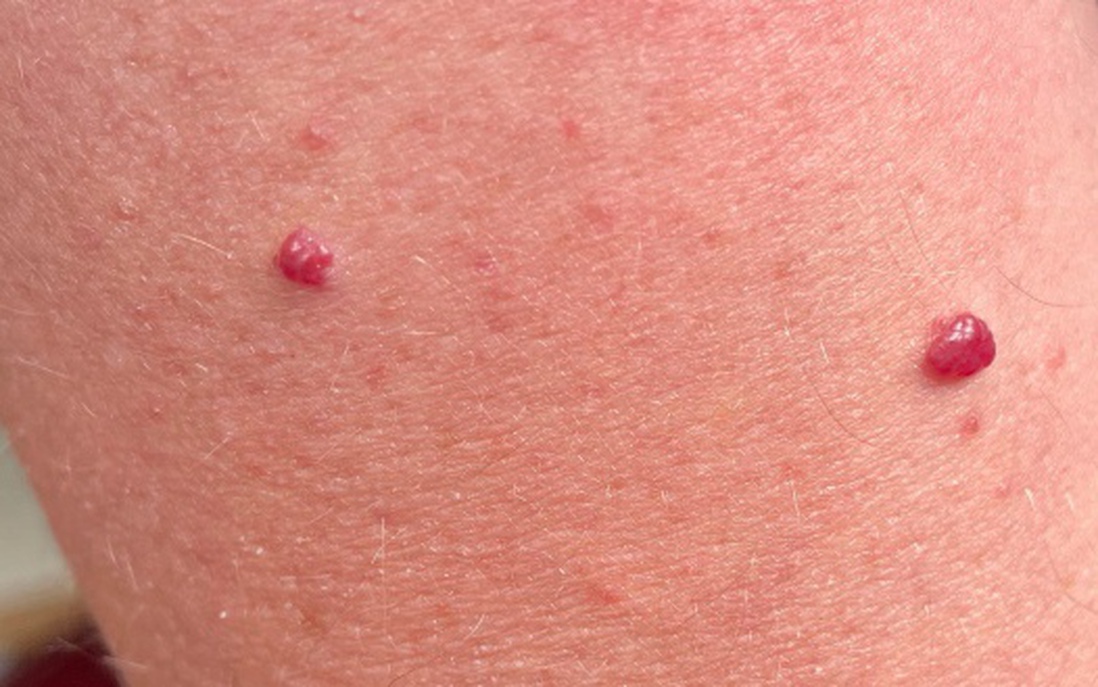
Final Thoughts
Tiny red spots on the skin are extremely common and are usually caused by harmless conditions such as cherry angiomas, heat rash, eczema, folliculitis, or mild allergic reactions. However, in some situations - particularly when the spots appear suddenly, do not fade when pressed, spread rapidly, or occur together with fever, unusual bruising, or other concerning symptoms they may signal an underlying medical condition that requires prompt evaluation.
The appearance of a skin spot alone is rarely enough to determine its cause. Instead of assuming the worst, pay attention to how long the spots last, whether they change over time, and whether other symptoms develop. If you're ever uncertain, a healthcare professional or dermatologist can help identify the cause and recommend the most appropriate treatment.
Your skin often provides valuable clues about your health. Paying attention to persistent or unusual changes is one of the simplest ways to support early diagnosis and overall well-being.