People should be able to ask healthcare professionals direct questions about the product being offered, the known risks for their age group, and the expected benefit based on their medical history.
A discussion that acknowledges both benefits and risks is more useful than a blanket statement that vaccination is either completely risk-free or universally dangerous.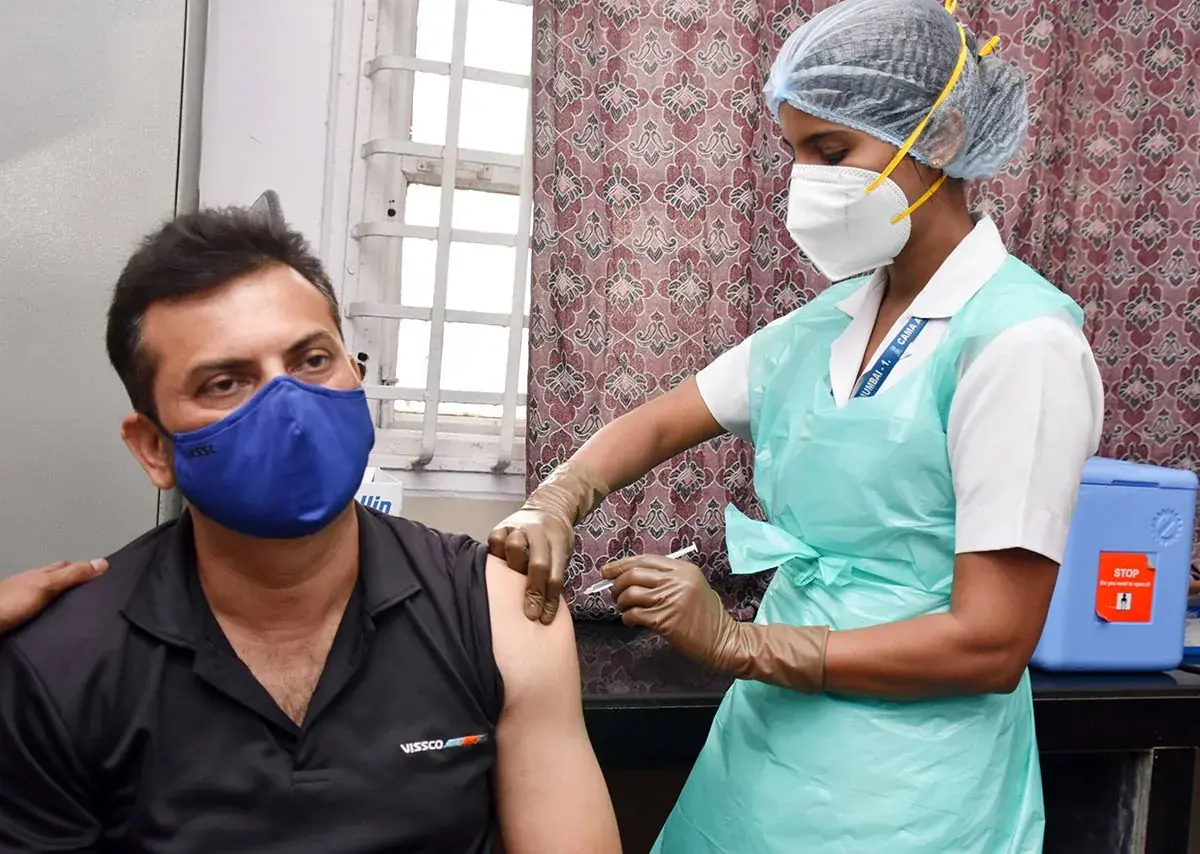
COVID-19 Vaccines and Pregnancy
Pregnancy deserves careful attention because it involves the health of both the pregnant person and the developing baby.
A pregnant person who develops severe COVID-19 may face a greater risk of hospitalization and complications than someone who is not pregnant.
Researchers have therefore studied vaccination during pregnancy to examine possible effects on maternal health and pregnancy outcomes.
The CDC's current information states that vaccination during pregnancy has not been linked to increased health risks for pregnant women or babies. It also says that vaccination helps reduce the risk of severe illness.
The evidence does not support the claim that COVID-19 vaccines cause infertility in women or men.
Nevertheless, pregnancy is a period when people may have many questions about medication, infection, and vaccination.
A prenatal healthcare professional can help review the person's medical history, previous vaccine reactions, current pregnancy stage, and local recommendations.
People should not stop prescribed treatment or make major healthcare decisions based solely on a viral post.
Do COVID-19 Vaccines Affect Fertility?
Concerns about fertility circulated widely during the pandemic.
The available evidence has not established that COVID-19 vaccines cause infertility in women or men.
Researchers have examined reproductive health outcomes, menstrual changes, pregnancy, and fertility-related questions. Temporary changes in menstrual timing or flow have been reported by some people after vaccination, but a temporary cycle change is not the same as infertility.
Menstrual cycles can naturally vary. Stress, infection, changes in weight, sleep disruption, hormonal conditions, and other factors can also influence them.
A person who experiences persistent or unusual menstrual changes should discuss them with a healthcare professional rather than assuming the cause.
For people trying to conceive, the appropriate decision should take account of their health, the risks of COVID-19 infection, and the current guidance in their country.
Can Someone Get COVID-19 From the Vaccine?
The answer depends on the vaccine type, but the COVID-19 vaccines described in current WHO guidance are not designed to give a person COVID-19 infection.
mRNA vaccines do not contain a live SARS-CoV-2 virus capable of causing COVID-19.
Protein-based vaccines contain selected viral components rather than an infectious virus.
A person can still become infected after vaccination because protection is not immediate and is not absolute. Someone may also be infected shortly before vaccination or during the period when the immune response is developing.
This can create the impression that the vaccine caused the illness when the infection was already underway.
Common short-term vaccine reactions, such as fatigue, headache, chills, and fever, may also resemble some symptoms of infection. But those reactions are not the same as having COVID-19.
If a person develops respiratory symptoms, tests positive, or has been exposed to someone with COVID-19, they should follow local health guidance.
Why Some People Feel Worse After a Vaccine Than Others
The immune system is highly individual.
Two people of the same age who receive the same vaccine may have different experiences. One may have a sore arm for a day. The other may experience fatigue and muscle aches.
Several factors can influence the reaction:
Age: Younger adults have sometimes reported more noticeable short-term reactions in clinical studies.
Previous vaccination: A person's immune system may respond differently after earlier doses.
Vaccine formulation: Different products and formulations can produce different reaction patterns.
Individual health: Existing conditions and medications may influence how a person feels after vaccination.
Normal biological variation: Even when no obvious explanation exists, people naturally differ in how their bodies respond.
A strong reaction does not necessarily indicate a stronger immune response, and a mild reaction does not mean the vaccine was ineffective.
It is also important not to compare experiences too rigidly. A family member's reaction cannot reliably predict what another person will experience.
What Should Someone Do After Receiving a COVID-19 Vaccine?
Most people do not need complicated aftercare.
If the arm is sore, gently moving it may help prevent stiffness. Rest can be useful if fatigue develops. Drinking enough fluids and allowing time for recovery may help people who feel unwell.
A cool, clean cloth placed over the injection area can help with local discomfort.
People should follow the advice provided by their healthcare professional or vaccination center. Anyone considering medication for fever or pain should check whether it is appropriate for their age, health conditions, allergies, and other medicines.
It is not necessary to take medication automatically before vaccination unless a healthcare professional has advised it.
People should also avoid treating severe or unusual symptoms as routine reactions.
If symptoms are worsening, persist longer than expected, or interfere significantly with normal activities, medical advice is appropriate.
Warning Signs That Should Not Be Ignored
Knowing when to seek help is one of the most practical parts of vaccine safety.
Some symptoms require urgent assessment, regardless of whether they occur after vaccination or at another time.
Possible severe allergic reaction: Difficulty breathing, swelling of the throat or tongue, collapse, or rapidly developing widespread allergic symptoms require emergency care.
Possible heart inflammation: New chest pain, shortness of breath, or a racing or irregular heartbeat should be assessed promptly.
Possible neurological problem: Progressive weakness, difficulty walking, or spreading tingling requires medical evaluation. Severe or rapidly worsening symptoms need urgent attention.
Possible blood clot: Severe or persistent headache, chest pain, shortness of breath, or significant swelling in one leg should not be ignored, particularly if a person has received a vaccine associated with a known clotting signal.
These symptoms do not prove that a vaccine caused the problem. They are warning signs that may indicate a serious medical condition and need appropriate evaluation.
A person should not wait for an online discussion to determine whether an emergency symptom is important.
What Should Someone Do If They Think a Vaccine Caused a Health Problem?
The first step is to obtain medical care for the symptom itself.
A healthcare professional can assess the person's condition and determine whether tests or treatment are needed.
It is useful to provide clear information, including:
-
The date of vaccination
-
The vaccine product, if known
-
The dose number
-
When the symptoms began
-
How the symptoms changed over time
-
Existing medical conditions
-
Current medications
-
Recent infections or other possible exposures
Keeping a written record can help make the medical assessment more accurate.
If a clinician believes the event may be related to vaccination, the event may be reported through the relevant national safety monitoring system.
In the United States, VAERS accepts reports from healthcare professionals and members of the public. A report does not establish causation, but it can contribute to the identification of potential safety signals.
Other countries have their own reporting procedures. People should ask local healthcare professionals or public-health agencies how to report a suspected adverse event.
The goal is not to prove or disprove a theory before receiving care. The priority is to treat the medical problem and document the circumstances accurately.
How to Read Vaccine Safety Statistics
Statistics can be difficult to interpret, particularly when rare events are involved.
A headline might say that hundreds of people reported a particular condition after vaccination. That number alone does not reveal how often the condition occurs among vaccinated people, whether the cases were confirmed, or whether the rate is higher than expected.
To understand risk, researchers need a denominator: the total number of people or doses being studied.