Pork Offal Is a Favorite Dish, but Many People Don’t Realize They Are in the Group That Should Avoid It
Pork offal is rich in nutrients but carries potential health risks if consumed improperly—especially for people with underlying conditions and pregnant women. According to Dr. Lê Văn Thiệu from the Department of General Infectious Diseases at the National Hospital for Tropical Diseases, pork offal is a familiar food, but not all parts are “harmless.”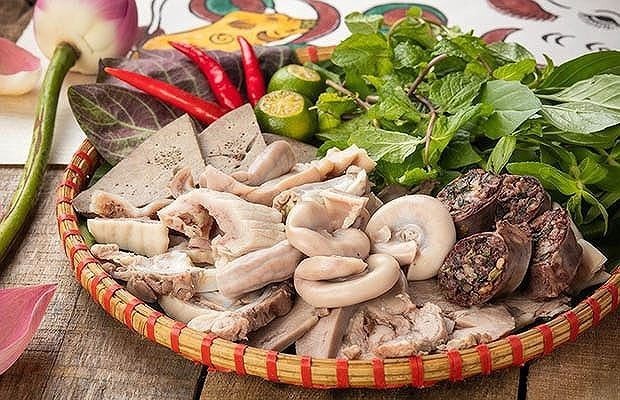
The small intestine contains high levels of protein, fat, vitamins, and minerals, yet it can easily accumulate contaminants from feed and the living environment if the animal is not raised and slaughtered under proper conditions. Meanwhile, the large intestine is where digestive waste is stored, posing a higher risk of bacterial and parasitic contamination due to its role in absorbing water and remaining nutrients.
Therefore, whether consuming small or large intestines, consumers must pay close attention to food safety. Experts recommend purchasing offal from reputable sources, choosing products from healthy pigs, cleaning thoroughly, cooking completely, and eating while still hot. If not consumed immediately, pork offal should be properly refrigerated to limit bacterial growth. This dish should also not be eaten too frequently or in large quantities.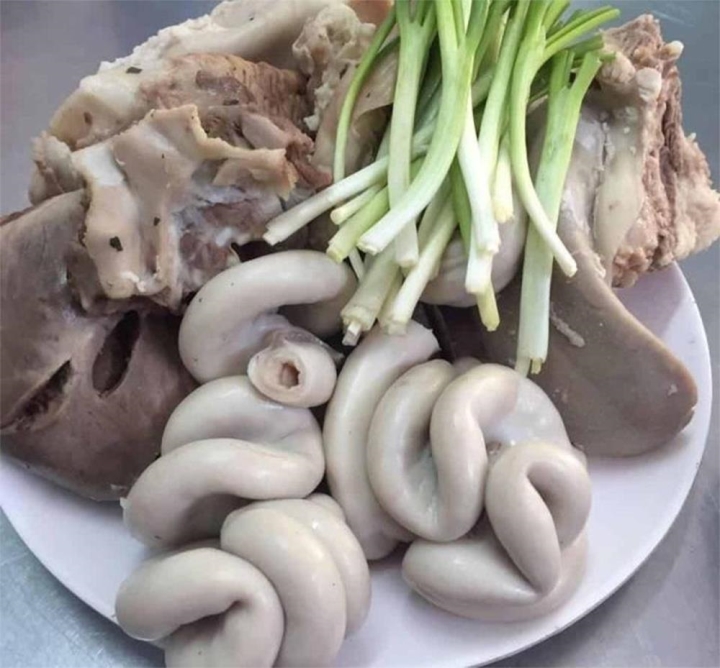
Certain groups should limit or avoid pork offal altogether. For people with gout, animal organs can increase blood uric acid levels, triggering joint pain flare-ups and, over time, leading to joint damage and urinary stones. Those with high cholesterol, cardiovascular disease, or diabetes are also not suitable candidates, as pork offal contains high levels of cholesterol that may worsen metabolic disorders.
People with poor digestion, frequent bloating, diarrhea, or intestinal infections should avoid pork offal because it is high in fat and difficult to digest. Overweight or obese individuals, as well as those with colds or physical weakness, may feel more fatigued after eating this dish.
In particular, people with liver diseases—such as hepatitis, cirrhosis, fatty liver disease, or liver cancer—should not consume pork offal regularly. The liver is responsible for metabolism and detoxification, while animal organs may contain both nutrients and toxins, potentially overloading an already weakened liver.
Pregnant women are advised to avoid pork offal of unclear origin, as well as dishes like raw blood pudding and fermented pork rolls. These foods carry risks of bacterial, viral, and parasitic infections, including Streptococcus suis and aflatoxin toxins, which are linked to liver cancer and pose serious threats to both mother and fetus.
Doctors emphasize that for healthy individuals, eating pork offal in moderation and preparing it safely is not strictly forbidden. However, understanding which risk group one belongs to and consuming it appropriately is the key to avoiding unnecessary health risks.