Night cramps - often called nocturnal leg cramps - are one of those experiences that feel small until they happen to you. One moment you’re asleep, the next you’re jolted awake by a sharp, gripping pain that seems to take over your entire leg. These cramps most commonly strike the calf muscles, but they can also creep into the thighs or feet, locking the muscle into a tight, painful knot that refuses to relax.
The contraction is sudden and involuntary, and while it may last only seconds, the discomfort can linger for minutes — sometimes even hours. For many people, the pain doesn’t fully fade until the next day, leaving the muscles sore, stiff, and exhausted. Although night cramps are usually harmless, frequent episodes are rarely random. In many cases, they’re subtle signals from the body asking for attention.
This article takes a closer look at what night cramps really are, why they happen, and what your body might be trying to communicate when sleep keeps getting interrupted this way — along with practical ways to prevent and manage them.
What Are Night Cramps?
Night cramps are sudden, painful muscle contractions that typically occur while the body is at rest, most often during sleep. They tend to appear in the early hours of the night but can happen at any time when the muscles remain still for long periods. The calves are the most common target, though cramps can also affect the thighs, feet, or even the arches of the toes.
While the cramp itself may be brief, the aftermath can be just as frustrating. Muscles often remain tender and tight, making it uncomfortable to fall back asleep or move normally the next day. In severe cases, night cramps can become a recurring sleep disruptor, gradually affecting energy levels, mood, and overall quality of life.

What Your Body May Be Trying to Tell You
Night cramps aren’t just painful interruptions — they are often the body’s way of signaling that something is off balance. Below are some of the most common underlying causes and what they may reveal about your health.
1. Dehydration
One of the most frequent triggers of night cramps is dehydration. When the body lacks sufficient water, muscles struggle to function smoothly, making them more vulnerable to spasms.
Why it happens:
Water plays a key role in muscle contraction and relaxation. Without enough fluids, the balance of electrolytes — such as sodium and potassium - becomes disrupted, increasing the likelihood of cramping.
What it means:
Recurring night cramps may be a sign that your daily fluid intake isn’t enough, or that you’re losing fluids faster than you’re replacing them, especially through heat, exercise, or sweating.
2. Electrolyte Imbalance
Electrolytes like potassium, magnesium, calcium, and sodium are essential for proper muscle signaling. When these minerals fall out of balance, muscles may misfire - often during periods of rest.
Why it happens:
Poor nutrition, dehydration, excessive sweating, or restrictive diets can lower electrolyte levels. Certain supplements or medications can also interfere with mineral absorption.
What it means:
Frequent cramps may suggest your muscles aren’t getting the minerals they need to relax properly, pointing toward a nutritional gap that needs correction.
3. Poor Circulation
Healthy muscles rely on steady blood flow to deliver oxygen and nutrients. When circulation slows, especially during rest, muscles may respond with painful cramping.
Why it happens:
Prolonged sitting or standing, obesity, vascular conditions, or limited mobility can reduce blood flow to the legs, particularly at night when the body is inactive.
What it means:
Regular night cramps may be a warning sign of circulation issues that benefit from movement, leg elevation, or further medical evaluation.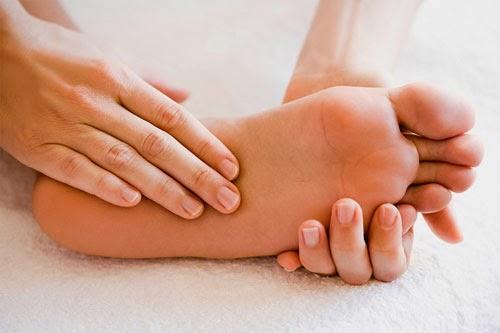
4. A Sedentary Lifestyle
Long hours of inactivity can quietly stiffen muscles, setting the stage for cramps later on.
Why it happens:
When muscles aren’t used regularly, they lose flexibility and resilience. After remaining still for hours during sleep, these tight muscles may contract suddenly and painfully.
What it means:
If cramps occur often, your body may be asking for more consistent movement throughout the day — even light activity can make a difference.
5. Muscle Overuse or Physical Strain
Exercise is essential for health, but pushing muscles too hard without adequate recovery can backfire.
Why it happens:
Intense or prolonged physical activity can deplete fluids, electrolytes, and energy stores. Without proper rest and hydration, fatigued muscles become prone to cramping.
What it means:
Night cramps following heavy activity often signal that muscles need better recovery, hydration, or a gentler training balance.
6. Medications and Underlying Health Conditions
Certain medications and medical conditions are closely linked to night cramps.
Why it happens:
Diuretics, often prescribed for blood pressure or fluid retention, can disrupt electrolyte balance. Conditions such as diabetes, kidney disease, nerve disorders, or thyroid issues can interfere with muscle and nerve function.
What it means:
If cramps appear after starting a new medication or alongside chronic health conditions, medical review may be necessary to adjust treatment or address root causes.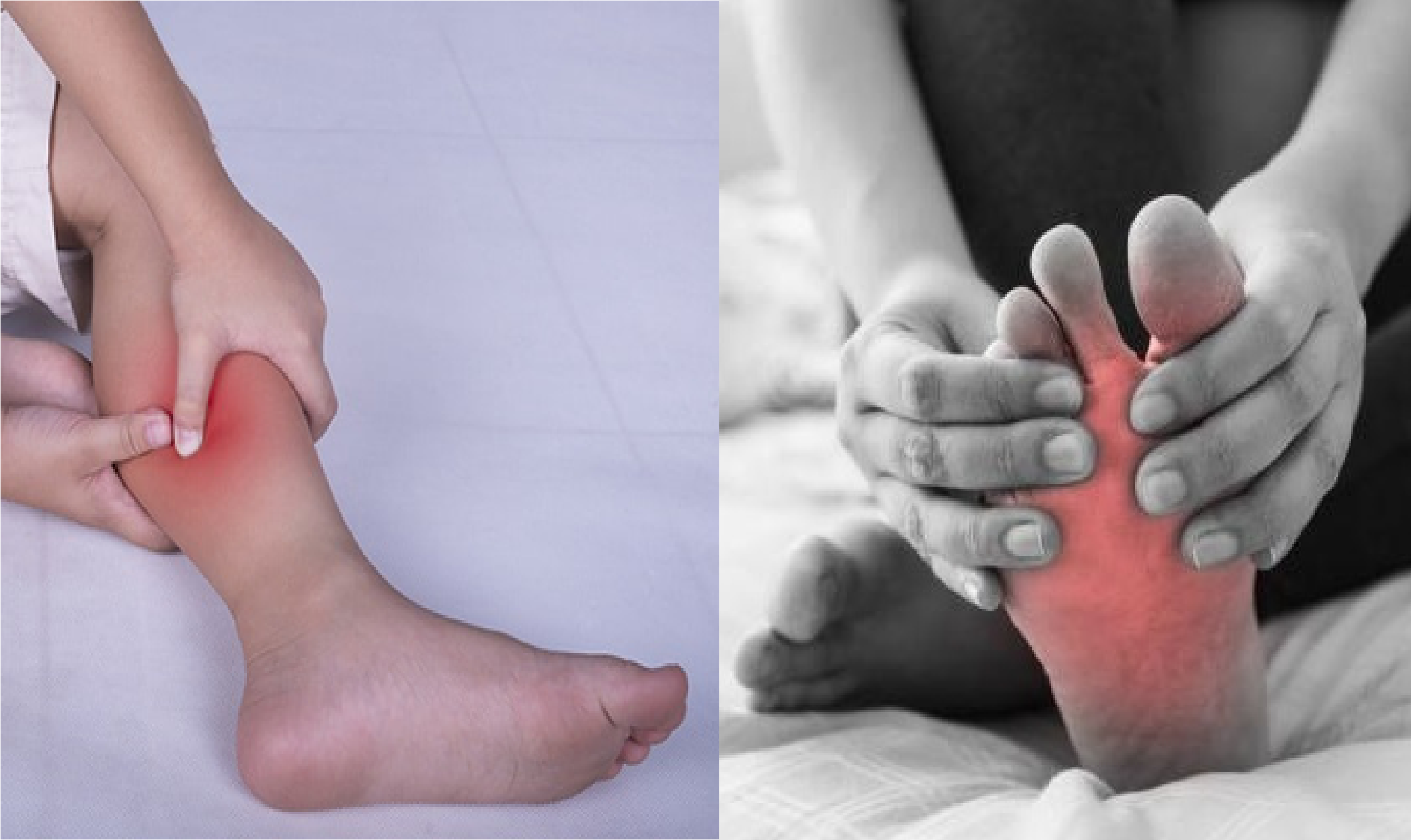
How to Prevent and Manage Night Cramps
If night cramps are affecting sleep, small changes can bring meaningful relief:
Stay well hydrated:
Drink water consistently throughout the day. During heavy activity or heat exposure, consider electrolyte-rich fluids.
Stretch before bed:
Gentle stretches for the calves, thighs, and feet can relax muscles and reduce nighttime tension.
Mind your sleeping position:
Avoid pointing your toes downward for long periods. Using a pillow to support your feet in a neutral position can help.
Eat a balanced diet:
Foods rich in magnesium, potassium, and calcium - such as leafy greens, dairy products, bananas, nuts, and seeds — support muscle health.
Avoid late-night overexertion:
Allow enough recovery time after exercise, especially before bed.
Consult a professional if needed:
Persistent cramps may require medical evaluation to identify hidden causes.
When to Seek Medical Attention
While most night cramps are harmless, seek medical care if you experience:
-
Severe or long-lasting cramps
-
Swelling, numbness, or muscle weakness
-
Pain accompanied by fever, redness, or skin changes
These symptoms may point to nerve damage, circulation problems, or other underlying conditions requiring treatment.
Final Thoughts
Night cramps may be common, but they shouldn’t be dismissed. They are often quiet messages from the body - asking for hydration,
nutrients, movement, or rest. By listening closely and making simple lifestyle adjustments, many people can significantly reduce cramp
frequency and sleep more peacefully. When cramps persist or worsen, professional guidance is key. Restful sleep isn’t a luxury - it’s a
foundation for health, and your body deserves it.