Diabetes is one of the most common chronic health conditions worldwide, and managing blood sugar levels is a daily challenge for millions of people. While medication and medical supervision are essential, diet plays a critical role in controlling glucose levels and preventing complications. Among the many foods recommended by nutrition experts, beans stand out as one of diabetes’ strongest natural opponents.
Beans are affordable, widely available, easy to cook, and packed with nutrients that directly support blood sugar control. Because of this unique combination, they are frequently recommended for people with diabetes and those at risk of developing the condition.
According to Dr. Daniela Stan, a family physician from Călărași, quoted in a report on Adevarul.ro, beans are particularly effective in helping stabilize blood sugar thanks to their low glycemic index and balanced nutritional profile.
Why Beans Are Especially Beneficial for People with Diabetes
1. Low Glycemic Index Means Stable Blood Sugar
One of the most important concepts in diabetes nutrition is the glycemic index (GI), which measures how quickly a food raises blood glucose levels after eating.
Beans have a low glycemic index, meaning:
-
They release glucose slowly into the bloodstream
-
They prevent sharp spikes in blood sugar
-
They help maintain steady energy levels throughout the day
Unlike refined carbohydrates such as white bread or sugary snacks, beans support gradual digestion and absorption, which is ideal for blood sugar control.
2. Rich in Soluble Fiber That Slows Sugar Absorption
Beans are an excellent source of soluble fiber, a type of fiber that forms a gel-like substance in the digestive tract.
Soluble fiber helps by:
-
Slowing the breakdown of carbohydrates
-
Reducing the speed at which sugar enters the blood
-
Improving insulin sensitivity over time
This makes beans particularly effective in controlling post-meal blood sugar levels and reducing insulin resistance.
3. A Smart Balance of Carbohydrates and Plant Protein
Unlike many carbohydrate-rich foods, beans contain a balanced mix of complex carbohydrates and plant-based protein.
This combination:
-
Keeps you full longer
-
Reduces hunger and cravings
-
Prevents overeating and unhealthy snacking
Protein also helps stabilize blood sugar by slowing digestion, which further reduces glucose spikes after meals.
4. Support for Weight Management
Maintaining a healthy body weight is crucial for diabetes control. Beans are:
-
Low in fat
-
High in fiber and protein
-
Naturally filling without being calorie-dense
Because they promote satiety, beans can help reduce total calorie intake and support gradual, sustainable weight loss—an important factor in improving insulin sensitivity.
5. Improving Heart Health - A Key Concern for Diabetics
People with diabetes are at higher risk for cardiovascular disease. Beans help protect heart health by:
-
Lowering bad cholesterol (LDL)
-
Supporting healthy blood pressure
-
Reducing inflammation
The fiber, potassium, magnesium, and antioxidants found in beans all contribute to better cardiovascular function, making them a heart-friendly food choice.
6. Supporting Gut Health and Insulin Sensitivity
Beans act as prebiotics, feeding beneficial gut bacteria. A healthy gut microbiome is increasingly linked to:
-
Better glucose metabolism
-
Reduced inflammation
-
Improved insulin response
Regular consumption of beans supports digestive health, which plays a surprisingly important role in blood sugar regulation.
Which Beans Are Best for Diabetes?
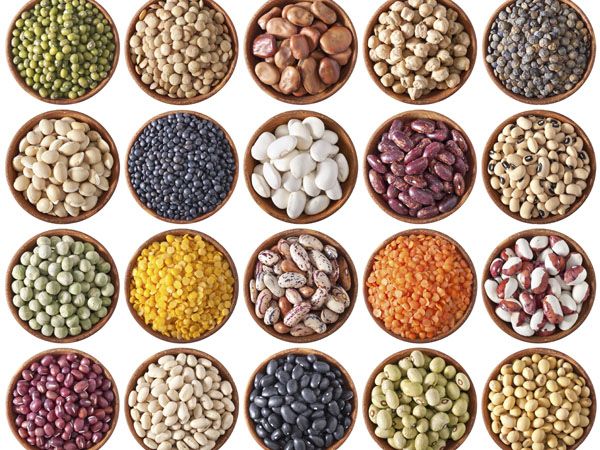
Most beans are beneficial, but some of the best options include:
-
Kidney beans
-
Black beans
-
Lentils
-
Chickpeas
-
Pinto beans
-
Navy beans
These varieties all share a low GI and high fiber content.
How to Eat Beans Safely and Effectively for Blood Sugar Control
To get the most benefit:
-
Choose boiled, steamed, or slow-cooked beans
-
Avoid beans prepared with excess sugar, white flour, or processed sauces
-
Combine beans with vegetables, healthy fats, or lean protein
-
Start with small portions if you’re not used to high-fiber foods
Canned beans can be used, but they should be rinsed thoroughly to remove excess sodium.
How Often Should People with Diabetes Eat Beans?
Nutrition experts generally recommend including beans 3–4 times per week, or even daily in moderate portions, depending on individual tolerance and dietary needs.
Because beans release energy slowly, they are suitable for:
-
Main meals
-
Side dishes
-
Salads
-
Soups
Final Thoughts
Beans are more than just a humble vegetable - they are a nutritional powerhouse and one of the most effective natural foods for managing blood sugar. With their low glycemic index, high soluble fiber, plant protein, and heart-protective nutrients, beans offer powerful support for people living with diabetes.
When included regularly as part of a balanced diet, beans can help:
-
Stabilize blood sugar
-
Improve insulin sensitivity
-
Support weight control
-
Protect heart health
Simple, affordable, and scientifically supported, beans truly deserve their reputation as diabetes’ strong opponent.