Chicken is one of the most widely consumed proteins in the world, and for good reason. It is affordable, easy to prepare, and incredibly versatile in the kitchen. Beyond its culinary appeal, chicken is also a nutrient-dense, low-fat, and relatively low-calorie source of high-quality protein, making it an excellent choice for people of all ages.
When prepared properly and eaten in moderation, chicken can support overall health in many important ways. Below are some key benefits of chicken meat that are often overlooked, followed by an important note on which parts of the chicken are best avoided for health reasons.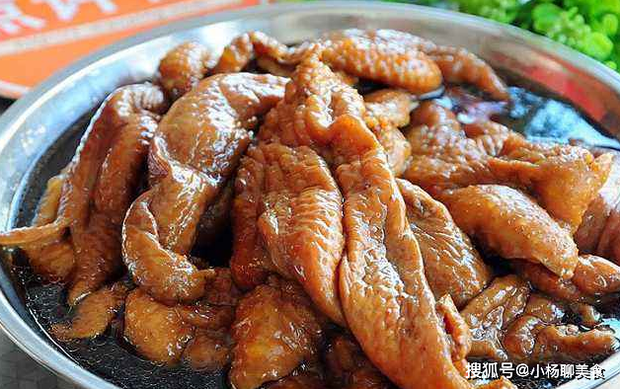
5 Health Benefits of Chicken You Shouldn’t Ignore
1. Helps Prevent Premature Aging
Chicken is a valuable source of selenium, a trace mineral known for its powerful antioxidant properties. Selenium plays an important role in protecting cells from oxidative stress, which is a major contributor to premature aging.
By supporting the immune system and helping regulate metabolism, selenium may slow the visible signs of aging, particularly those affecting the skin. Compared to many other foods, chicken provides a relatively high amount of this essential mineral, making it a smart addition to a balanced daily diet.
2. An Excellent Source of Lean Protein
Chicken is especially popular among people trying to manage their weight—and with good reason. It provides high-quality protein with relatively low fat, particularly when choosing cuts like chicken breast.
Protein is essential for:
-
Building and maintaining muscle mass
-
Supporting tissue repair
-
Promoting healthy metabolism
-
Increasing feelings of fullness
Because protein helps control appetite and reduce cravings, chicken is often recommended in weight-loss and fitness-focused diets.
3. Supports Bone Strength and Prevents Bone Loss
Many people associate bone health only with calcium, but protein is equally important. The protein found in chicken is easily absorbed by the body and contributes to maintaining bone density.
Regular consumption of adequate protein helps reduce age-related bone loss, supports skeletal structure, and lowers the risk of fractures—especially when combined with other bone-supporting nutrients.
4. Rich in Phosphorus for Overall Body Function
Chicken contains a high level of phosphorus, a mineral that works closely with calcium to keep bones and teeth strong. Beyond skeletal health, phosphorus is essential for:
-
Kidney and liver function
-
Energy production
-
Proper functioning of the central nervous system
Including phosphorus-rich foods like chicken helps ensure these vital systems operate efficiently.
5. Promotes Healthy Vision
Chicken provides several compounds related to vitamin A, including retinol, alpha-carotene, beta-carotene, and lycopene. These nutrients are crucial for maintaining good eyesight.
They help:
-
Protect the retina
-
Reduce the risk of night blindness
-
Support long-term eye health
Regular intake of vitamin A–rich foods can play a role in preventing age-related vision problems.
Chicken Is Healthy - but Not Every Part Is Safe to Eat
Despite its many benefits, not all parts of the chicken are equally safe or nutritious. Some parts tend to accumulate fat, toxins, or harmful microorganisms and should be avoided or consumed with caution.
1. Chicken Skin
Chicken skin is often enjoyed for its crispy texture, but it is high in saturated fat and cholesterol. In addition, if the chicken is not cleaned thoroughly, the skin can harbor bacteria and parasites.
Frequent consumption of chicken skin may increase the risk of:
-
Weight gain
-
Cardiovascular problems
-
Digestive discomfort
For a healthier meal, it’s best to remove the skin before cooking or eating.
2. Parson’s Nose (Pygostyle)
The parson’s nose, or tail of the chicken, is prized by some for its rich flavor. However, this part contains lymphoid tissue, which can trap bacteria, viruses, and other pathogens.
Because it also contains a high amount of fat, this part poses a greater health risk and is best avoided.
3. Chicken Lungs
Chicken lungs are involved in filtering waste and toxins from the body. Even after cooking, they may still contain parasites and harmful microorganisms.
Consuming chicken lungs can lead to digestive upset and other health concerns, making them one of the least recommended parts of the bird.
4. Chicken Head
Chicken heads are sometimes used in traditional dishes, but they can accumulate:
-
Bacteria
-
Environmental toxins
-
Heavy metals
These substances may build up in the body over time and pose health risks, especially for children and individuals with weaker immune systems.

Final Thoughts
Chicken meat is a highly nutritious food that can support muscle health, bone strength, immune function, and vision when consumed wisely. Its lean protein and essential minerals make it an excellent component of a healthy diet.
However, choosing the right parts of the chicken is just as important as how it is cooked. Avoiding parts that are more likely to contain excess fat, bacteria, or toxins helps reduce health risks and ensures you get the maximum benefit from this popular protein.
Enjoy chicken for its nutrition and versatility but eat smart, clean, and informed for the best results.