Raised veins can look harmless—especially on hands, arms, or legs—but in some cases they may be your body’s way of signaling an underlying issue. While visible veins are common in people who are thin, athletic, aging, or exposed to heat, sudden or painful raised veins should never be ignored.
So what should you tell someone when you notice their veins becoming more prominent? Here’s what doctors want everyone to know—and when it’s time to seek medical help.
Why Are Veins Suddenly More Visible?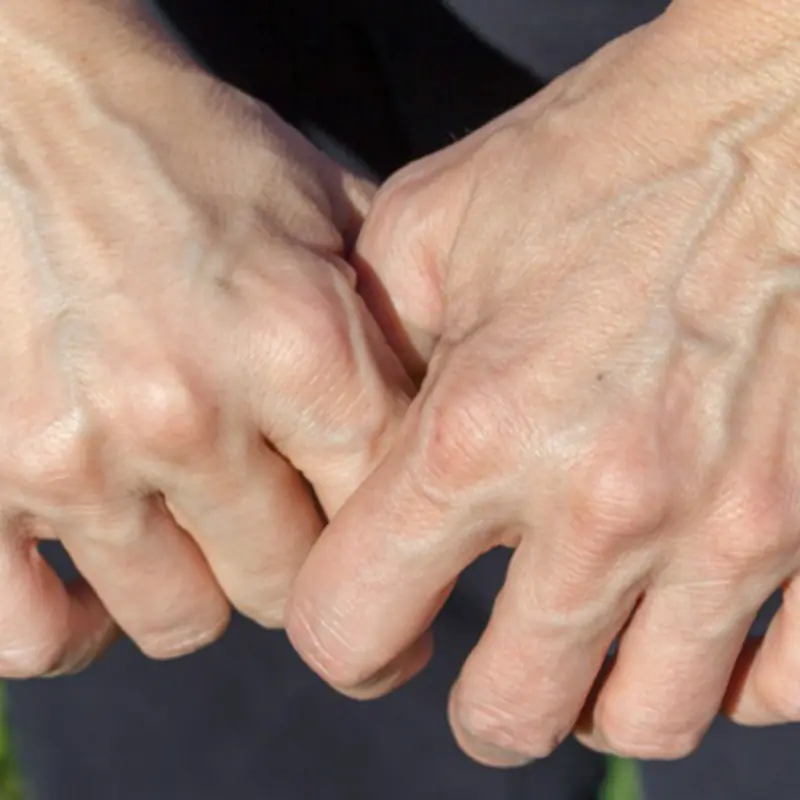
Veins naturally become more noticeable when the skin is thinner or when blood flow increases. Common reasons include:
-
Aging: Skin loses collagen and becomes thinner, making veins appear more pronounced.
-
Low body fat: Less fat under the skin means veins are easier to see.
-
Exercise: Physical activity increases blood flow and temporarily expands veins.
-
Heat exposure: Hot temperatures cause veins to dilate to help cool the body.
-
Dehydration: Reduced fluid can make veins stand out more.
In these cases, raised veins are often normal and not dangerous. However, certain signs indicate a problem that needs attention.
What You Should Tell Them Immediately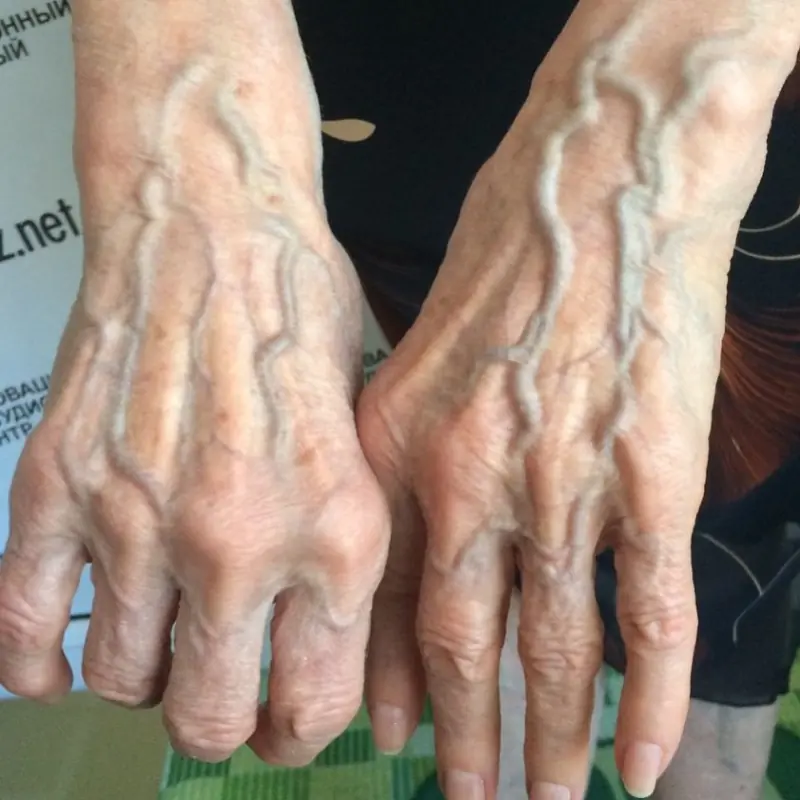
✅ 1. “If it’s new or sudden, don’t ignore it.”
Doctors recommend paying attention when raised veins appear suddenly, especially if they were not visible before. A noticeable change could reflect inflammation, circulation changes, or vein valve problems.
✅ 2. “Check if there’s pain, warmth, or swelling.”
Raised veins with pain, redness, warmth, or swelling may indicate phlebitis (vein inflammation) or even a blood clot. If discomfort is present, advise them to seek medical evaluation promptly.
✅ 3. “If one arm or leg looks different, get it checked.”
If veins are raised in only one limb, especially with swelling, heaviness, or tenderness, it may suggest a circulation problem such as deep vein thrombosis (DVT)—a potentially serious condition.
When Raised Veins Could Be a Warning Sign
1) Varicose Veins
Varicose veins often appear in the legs and may cause:
-
aching or heaviness
-
swelling around ankles
-
itching or skin discoloration
-
cramping at night
These usually aren’t life-threatening but can worsen without lifestyle changes or treatment.
2) Blood Clots (Urgent)
A clot is more likely if there is:
-
sudden swelling in one leg
-
skin that feels warm to the touch
-
sharp pain or tenderness
-
redness around the vein
If a clot travels to the lungs, it can cause a pulmonary embolism, which is life-threatening. This is why sudden symptoms should be taken seriously.
3) Poor Circulation or Heart-Related Issues
In some cases, circulation problems may make veins work harder. People with cardiovascular risk factors (high blood pressure, diabetes, smoking, high cholesterol) should be especially careful.
What They Can Do Right Now (Safe Tips)
If the veins are not painful and there are no alarming symptoms, doctors often recommend simple steps:
-
Stay hydrated
-
Avoid standing or sitting too long
-
Elevate legs when resting
-
Walk daily to improve circulation
-
Wear compression socks if recommended
-
Reduce salt intake to lower swelling
These habits help improve blood flow and reduce pressure in the veins.
When to Seek Medical Help Immediately
Tell them to get urgent medical care if they have raised veins plus:
-
chest pain or shortness of breath
-
sudden leg swelling
-
severe pain, warmth, or redness
-
dizziness or fainting
-
skin turning bluish/pale
These symptoms can indicate serious circulation or clot-related conditions.