6 Evidence-Based Ways to Support Healthy Arteries
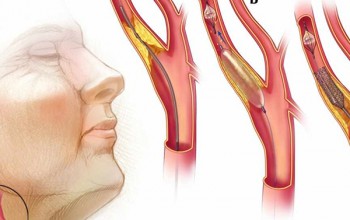
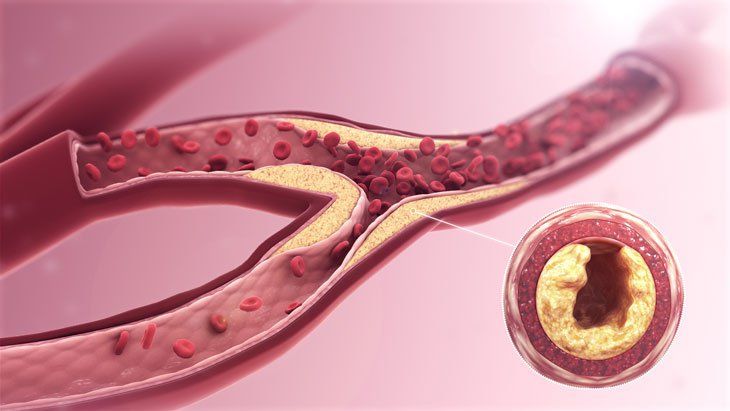
Your arteries play a crucial role in keeping your body healthy. These blood vessels carry oxygen-rich blood from the heart to every organ and tissue. But over time, unhealthy habits, poor diet, lack of exercise, smoking, and chronic stress can cause plaque to build up inside the arteries — a condition known as atherosclerosis. When arteries become narrowed or hardened, the risk of heart attack, stroke, and other cardiovascular diseases increases significantly.
The good news is that scientific research shows many daily habits can help support healthy arteries naturally. While no single food or supplement can “clean” arteries overnight, consistent lifestyle choices may help improve circulation, reduce inflammation, and protect heart health over time.
Here are 6 evidence-based ways to support healthy arteries.
1. Eat More Fiber-Rich Foods
One of the most effective ways to support artery health is by increasing your intake of dietary fiber, especially soluble fiber. Soluble fiber helps reduce LDL cholesterol — often called “bad” cholesterol — by binding to cholesterol particles in the digestive system and removing them from the body.
Studies have found that people who consume high-fiber diets tend to have a lower risk of heart disease and stroke.
Excellent sources of soluble fiber include:
- Oats
- Beans and lentils
- Apples
- Avocados
- Chia seeds
- Flaxseeds
- Sweet potatoes
- Vegetables such as broccoli and carrots
Whole grains and plant-based foods also contain antioxidants and nutrients that may help reduce inflammation inside the arteries.
Experts generally recommend aiming for around 25–30 grams of fiber per day, though many people consume far less.
2. Choose Healthy Fats Instead of Trans Fats
Not all fats are harmful. In fact, healthy fats are essential for heart and artery health. Replacing trans fats and excessive saturated fats with healthier options may help improve cholesterol levels and reduce inflammation.
Research consistently shows that diets rich in unsaturated fats are associated with better cardiovascular health.
Healthy fat sources include:
- Olive oil
- Nuts
- Seeds
- Fatty fish such as salmon, sardines, and mackerel
- Avocados
Omega-3 fatty acids found in fatty fish may help support healthy blood vessels and reduce triglyceride levels.
Meanwhile, trans fats — often found in processed snacks, fried foods, and some baked goods — have been strongly linked to increased cardiovascular risk and should be minimized whenever possible.
3. Stay Physically Active
Regular exercise is one of the most powerful tools for maintaining healthy arteries and improving circulation.
Physical activity may help:
- Lower blood pressure
- Improve cholesterol balance
- Support healthy weight management
- Improve blood vessel flexibility
- Reduce inflammation
According to many health organizations, adults should aim for at least 150 minutes of moderate aerobic activity per week.
Examples include:
- Brisk walking
- Swimming
- Cycling
- Dancing
- Jogging
- Light strength training
Even small increases in daily movement can make a difference. Taking the stairs, walking after meals, or stretching regularly can all contribute to better cardiovascular health.
4. Reduce Excess Sugar and Processed Foods
Diets high in added sugars and ultra-processed foods may contribute to obesity, inflammation, insulin resistance, and high triglyceride levels — all of which can negatively affect artery health.
Sugary beverages, packaged snacks, processed meats, and fast food often contain high amounts of sodium, unhealthy fats, and refined carbohydrates.
Instead, focus on whole, minimally processed foods such as:
- Fresh fruits
- Vegetables
- Lean proteins
- Whole grains
- Nuts and seeds
Reducing sugary drinks alone may have a meaningful impact on long-term heart health.
Many experts also recommend checking food labels carefully, as added sugars can appear under different names such as corn syrup, sucrose, dextrose, and fructose.
5. Manage Stress and Sleep Better

Chronic stress may affect the cardiovascular system in several ways. When stress hormones remain elevated for long periods, blood pressure and inflammation levels may increase.
Poor sleep can also negatively influence heart health. Research suggests that consistently sleeping too little may be associated with higher risks of hypertension, obesity, and cardiovascular disease.
To support artery health naturally:
- Aim for 7–9 hours of quality sleep nightly
- Practice relaxation techniques
- Spend time outdoors
- Maintain social connections
- Limit excessive screen time before bed
Activities like meditation, deep breathing, yoga, and mindfulness may help lower stress levels and support overall well-being.
6. Avoid Smoking and Limit Alcohol
Smoking is one of the most damaging habits for artery health. Chemicals in tobacco smoke can damage blood vessels, increase inflammation, and accelerate plaque buildup.
Even secondhand smoke exposure may negatively affect cardiovascular health.
Quitting smoking can lead to major health improvements — sometimes within weeks or months.
Alcohol should also be consumed carefully. Excessive alcohol intake may contribute to high blood pressure, weight gain, and elevated triglycerides.
If you drink alcohol, moderation is important. Some people may benefit from avoiding alcohol entirely, especially those with certain medical conditions.
Final Thoughts
Healthy arteries are essential for a healthy heart and body. While there is no quick fix or miracle solution, science shows that consistent lifestyle habits can make a significant difference over time.
Eating a balanced diet rich in fiber and healthy fats, staying active, managing stress, sleeping well, and avoiding smoking are among the most effective evidence-based strategies for supporting cardiovascular health.
Small daily choices often add up. Even gradual improvements in nutrition, movement, and sleep may help protect your arteries and improve overall well-being in the long run.
As always, anyone with existing heart conditions, high blood pressure, diabetes, or other medical concerns should consult a healthcare professional before making major lifestyle changes.