Meningitis is a serious medical condition that causes inflammation of the protective membranes surrounding the brain and spinal cord, known as the meninges. Although some forms may be mild, others can become life-threatening very quickly if not treated promptly.
One of the biggest dangers of meningitis is how rapidly symptoms can worsen. Early signs are often mistaken for common illnesses such as the flu, a viral infection, exhaustion, or even food poisoning. Because of this, many people delay seeking medical attention during the critical early stages.
Recognizing the warning signs as early as possible may help improve treatment outcomes and reduce the risk of severe complications.
It is important to understand that not every headache or fever means meningitis. However, certain combinations of symptoms — especially when they appear suddenly or worsen rapidly — require immediate medical evaluation.
What Is Meningitis?
Meningitis occurs when the meninges become inflamed.
The condition may be caused by:
- Viruses
- Bacteria
- Fungi
- Rarely, certain medications or autoimmune conditions
The most dangerous forms are usually bacterial meningitis because they may progress rapidly and become life-threatening without urgent treatment.
Viral meningitis is generally more common and often less severe, though it can still become serious in some cases.
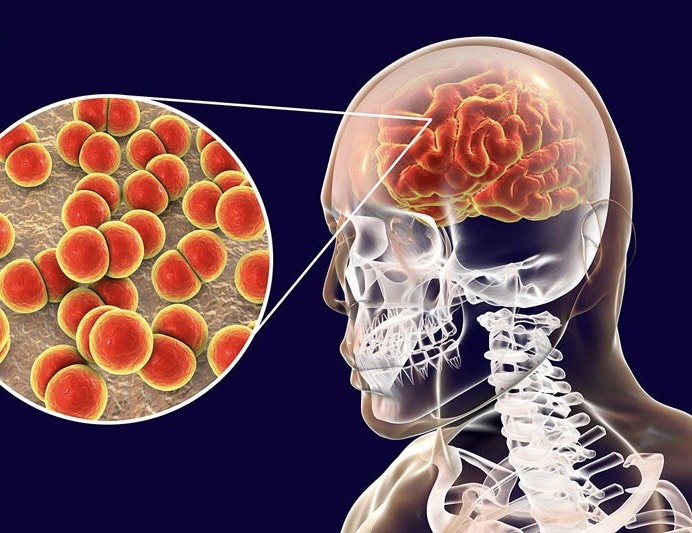
Why Meningitis Can Become Dangerous Quickly
Inflammation near the brain and spinal cord may affect:
- Brain function
- Nerve signaling
- Blood circulation
- Pressure inside the skull
Without prompt treatment, complications may include:
- Seizures
- Hearing loss
- Brain injury
- Organ failure
- Severe infection spread
Rapid medical attention is extremely important.
Early Symptoms May Resemble Common Illnesses
One reason meningitis is difficult to recognize early is that initial symptoms often resemble:
- Flu
- Migraine
- Viral infection
- Fatigue
- Dehydration
However, meningitis symptoms often:
- Appear suddenly
- Worsen rapidly
- Occur together
This pattern is important to recognize.
1. Sudden High Fever
Fever is one of the most common early symptoms of meningitis.
People may experience:
- Rapid temperature increase
- Chills
- Sweating
- Feeling unusually ill
A high fever combined with severe headache or neck stiffness should never be ignored.
2. Severe Headache
Meningitis headaches are often described as:
- Intense
- Persistent
- Different from normal headaches
- Difficult to relieve
The pain may worsen with:
- Bright lights
- Noise
- Movement
Severe headaches accompanied by fever or confusion require urgent evaluation.
3. Neck Stiffness
One of the classic symptoms of meningitis is stiffness in the neck.
People may struggle to:
- Bend the neck forward
- Touch the chin to the chest
- Move comfortably
Neck stiffness combined with fever and headache is considered a major warning sign.
4. Sensitivity to Light
Photophobia, or light sensitivity, commonly occurs in meningitis.
Bright light may:
- Increase headache pain
- Cause discomfort
- Trigger eye sensitivity
People may prefer dark rooms or avoid opening their eyes fully.
5. Nausea and Vomiting
Inflammation affecting the brain and nervous system may lead to:
- Nausea
- Vomiting
- Dizziness
- Loss of appetite
Vomiting may occur suddenly alongside headache and fever.
6. Confusion or Difficulty Concentrating
As meningitis affects the brain, mental changes may appear.
Possible symptoms include:
- Confusion
- Disorientation
- Memory problems
- Difficulty focusing
- Unusual behavior
Severe cases may lead to:
- Extreme drowsiness
- Reduced responsiveness
- Loss of consciousness
Mental changes are especially concerning symptoms.
7. Skin Rash
Certain types of bacterial meningitis may cause a rash.
The rash may appear:
- Red
- Purple
- Bruise-like
- Non-fading when pressed
This symptom may signal severe bloodstream infection and requires emergency medical care immediately.
Not all meningitis causes rash, but when present it can be extremely serious.
8. Extreme Sleepiness or Difficulty Waking Up
People with meningitis may become:
- Unusually sleepy
- Difficult to wake
- Weak
- Unresponsive
This symptom suggests the nervous system may be significantly affected.
Emergency care is critical.
Symptoms in Babies and Young Children
Infants may not show the classic adult symptoms.
Possible signs in babies include:
- Constant crying
- Poor feeding
- Fever
- Vomiting
- Bulging soft spot on the head
- Unusual sleepiness
- Irritability
- Stiff body movements
Parents should seek urgent medical care if these symptoms appear suddenly.
Who Is at Higher Risk?
Certain groups may face higher meningitis risk, including:
- Infants
- Teenagers
- College students
- Older adults
- People with weakened immune systems
Crowded living conditions may increase transmission risk for some types of meningitis.
How Meningitis Spreads
Some forms spread through:
- Coughing
- Sneezing
- Saliva
- Close contact
Examples include:
- Sharing utensils
- Kissing
- Living in close quarters
Not all meningitis types are contagious.
Bacterial vs Viral Meningitis
Viral Meningitis
Usually:
- More common
- Less severe
- Often improves with supportive care
However, medical evaluation is still important.
Bacterial Meningitis
Usually:
- More dangerous
- Rapidly progressive
- Medical emergency
Immediate antibiotic treatment may be lifesaving.
How Doctors Diagnose Meningitis
Doctors may use:
- Blood tests
- Imaging scans
- Lumbar puncture (spinal tap)
A spinal tap allows doctors to examine fluid surrounding the brain and spinal cord.
Early diagnosis greatly improves treatment outcomes.
Treatment Options
Treatment depends on the cause.
Possible treatments include:
- Antibiotics
- Antiviral medications
- IV fluids
- Oxygen support
- Fever control
- Hospital monitoring
Bacterial meningitis usually requires hospitalization.
Possible Long-Term Complications
Even after recovery, some individuals may experience complications such as:
- Hearing problems
- Memory issues
- Seizures
- Learning difficulties
- Neurological symptoms
This is why rapid treatment is so important.
Vaccination and Prevention
Vaccines help protect against several important causes of meningitis.
Vaccination may reduce risk from:
- Meningococcal disease
- Pneumococcal infections
- Haemophilus influenzae type b (Hib)
Additional preventive habits include:
- Handwashing
- Avoiding close contact with sick individuals
- Maintaining strong overall health
When to Seek Emergency Medical Help
Immediate medical attention is critical if symptoms include:
- Fever with stiff neck
- Severe headache
- Confusion
- Rash
- Difficulty waking
- Seizures
- Breathing problems
Meningitis can worsen very quickly.
Why Early Recognition Matters
Delays in treatment may increase the risk of:
- Brain injury
- Severe infection
- Long-term disability
- Death in severe cases
Recognizing symptoms early may save lives.

Final Thoughts
Meningitis is a serious condition that may begin with symptoms easily mistaken for common illnesses, including fever, headache, nausea, fatigue, and body aches. However, symptoms such as severe headache, neck stiffness, confusion, rash, and extreme sleepiness should never be ignored.
The condition can progress rapidly, making early recognition and urgent medical care extremely important.
Understanding the warning signs may help people respond quickly, protect their health, and potentially prevent serious complications before the illness becomes life-threatening.