Have you ever looked down at your feet after a long day and noticed that your heels look unusually dry, rough, or covered with small cracks? Perhaps the skin feels thick and uncomfortable, your socks keep catching on the rough edges, or the cracks become painful when you stand or walk.
For many people, cracked heels begin as a minor cosmetic concern. The skin around the edges of the heels becomes dry, hard, and slightly yellowish. Over time, the thickened skin may split, creating visible lines that can deepen if the underlying cause is not addressed.
Although cracked heels are common, they should not always be dismissed as a simple appearance problem.
The skin on the soles of the feet is naturally thicker than the skin on many other parts of the body. This thicker skin helps protect the feet from the pressure and friction created by standing, walking, and running.
However, the heel also absorbs a considerable amount of mechanical stress throughout the day.
Every time you take a step, the heel bears part of your body weight. The skin and soft tissues must stretch and compress repeatedly to accommodate that pressure. When the skin is adequately hydrated and flexible, it can usually tolerate these movements without splitting.
When the skin becomes excessively dry or develops a thick layer of hardened tissue, however, it may lose some of that flexibility.
Pressure can then cause the skin to separate along small lines, producing the cracks commonly known as heel fissures.
Several factors can contribute to this process.
Dry weather, low humidity, frequent hot showers, harsh soaps, and prolonged exposure to water can interfere with the skin's natural moisture balance. Standing for many hours, walking barefoot on hard surfaces, and wearing open-backed shoes can increase pressure on the heel.
Age can also play a role because the skin gradually changes over time, and some people become more prone to dryness as they grow older.
Certain medical conditions may contribute as well. Diabetes, eczema, psoriasis, thyroid disorders, and other conditions can affect skin health or wound healing.
The good news is that mild dryness and superficial cracks often improve with consistent home care.
One of the simplest approaches is to establish a short nighttime routine that focuses on gentle cleansing, moisture replacement, and protection while the skin rests.
You do not need expensive products or an elaborate collection of foot-care tools to begin.
In many cases, a suitable moisturizer, a pair of clean socks, and a few minutes of attention before bed can make a meaningful difference.
However, the goal is not to force the cracks to disappear in a single night. It is to help the skin become softer, more flexible, and less likely to split further.
Understanding why your heels crack is the first step toward choosing the right care.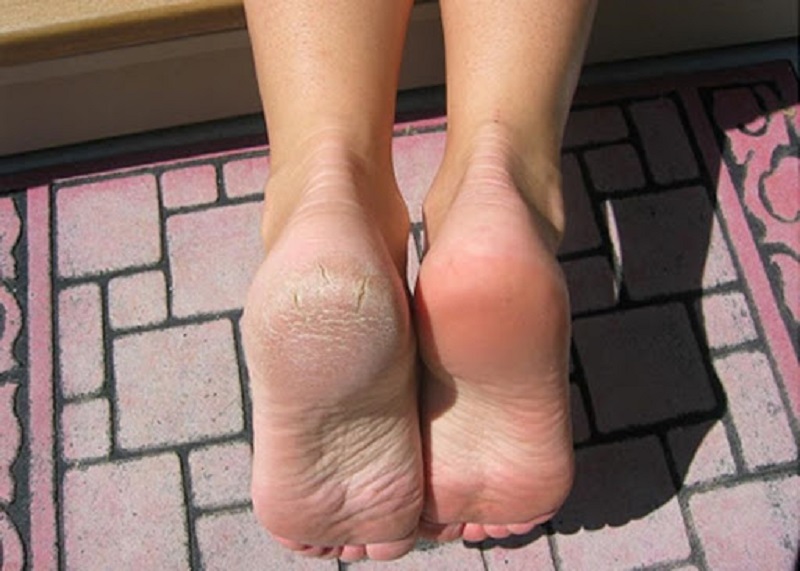
Chapter 2: The Simple Overnight Routine That May Help Soften Cracked Heels
If your heels are dry and rough but the cracks are superficial and not bleeding, a gentle overnight routine may help improve the skin's condition.
The process is simple, but consistency matters more than using a large number of products.
Step 1: Wash your feet gently
Begin by washing your feet with lukewarm water and a mild cleanser.
You do not need to soak your feet for a long time. A brief wash is generally sufficient to remove sweat, dirt, and other surface debris.
Very hot water may feel relaxing, but it can worsen dryness by removing oils that help maintain the skin barrier.
If your heels are severely cracked, avoid prolonged soaking. Water can temporarily soften the outer skin, but excessive exposure may leave the skin more vulnerable to irritation.
After washing, gently pat your feet dry with a clean towel.
Pay particular attention to the spaces between your toes, where trapped moisture can encourage fungal growth.
Do not rub the heels aggressively with a rough towel. The goal is to clean the skin without creating additional friction.
Step 2: Apply a suitable heel moisturizer
This is the most important part of the routine.
Look for a foot cream containing ingredients that help attract moisture, soften thickened skin, or reduce water loss.
Urea is one commonly used ingredient. At lower concentrations, it helps hydrate dry skin. At higher concentrations, it can also soften thickened skin, although stronger products may irritate sensitive or cracked areas.
Other useful ingredients may include glycerin, ceramides, and lactic acid. These ingredients have different functions, but they can help support skin hydration and improve the texture of dry heels.
If your skin is very dry, a thick ointment containing petrolatum can help reduce moisture loss by creating a protective layer over the skin.
For many people, a simple fragrance-free cream or ointment is a good starting point.
Apply it generously to the dry heel area, but avoid placing thick layers of greasy product between your toes.
If the cracks are open, bleeding, or very painful, avoid applying strong exfoliating ingredients directly to them. A bland protective ointment may be more appropriate for minor superficial cracks, while deeper or persistent fissures should be assessed by a healthcare professional.