During the day, avoid unnecessary friction and protect your feet from surfaces that may injure them.
If your feet become sweaty, change damp socks when practical. Keep the spaces between your toes dry, particularly if you are prone to fungal infections.
In the evening, wash your feet with lukewarm water and a mild cleanser. Dry them gently, paying attention to the spaces between your toes.
Apply a moisturizer to the dry heel area.
For very dry skin, a thick cream or petrolatum-based ointment may be useful. If the skin is thickened but intact, a suitable urea-containing cream may help soften it over time.
Avoid applying strong exfoliating ingredients directly to open cracks.
Put on clean, comfortable socks if they help keep the moisturizer in place and do not make your feet excessively sweaty.
Repeat the routine consistently rather than expecting one application to resolve the problem permanently.
Once the skin improves, you may not need the same intensity of treatment every night. However, continuing regular moisturization can help prevent dryness from returning.
If your heels tend to crack during cold weather, increase your attention to hydration and footwear during those months.
If the problem is associated with prolonged standing, address pressure and friction as well as dryness.
For people with diabetes or other conditions that increase the risk of foot complications, a healthcare professional can recommend an individualized foot-care plan.
A simple routine works best when it fits your life.
You do not need numerous products, complicated treatments, or expensive devices. The essentials are gentle cleansing, appropriate moisturization, protection from friction, and attention to warning signs.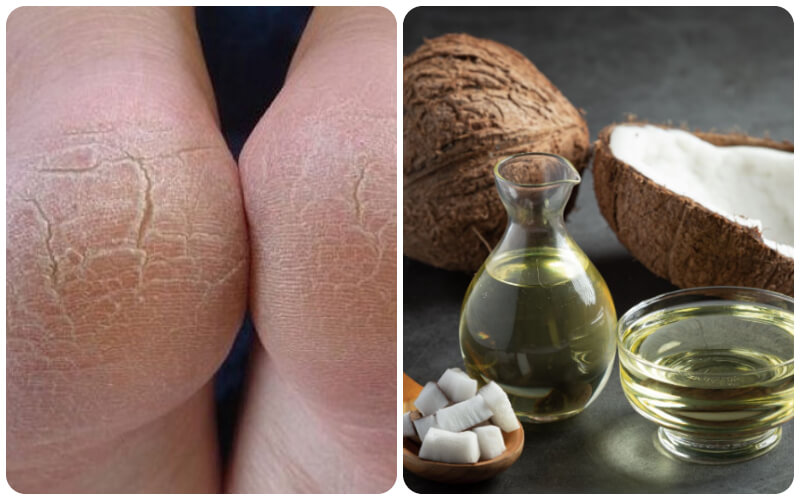
Chapter 10: When Should You See a Healthcare Professional?
Although many cases of cracked heels improve with home care, some require professional assessment.
Do not wait for an overnight routine to work if your heels are deeply split, bleeding, or causing significant pain.
Seek medical advice if you notice increasing redness, warmth, swelling, discharge, or worsening tenderness around a crack. These symptoms may indicate infection or inflammation.
If redness spreads, pus develops, you have a fever, or symptoms worsen rapidly, seek urgent medical care.
People with diabetes, poor circulation, reduced sensation, or a weakened immune system should be particularly cautious.
Even a small crack can become a more serious wound when healing is impaired or pain is difficult to detect.
If you have diabetes, do not cut away calluses, use sharp tools, or apply strong chemical exfoliants to damaged skin without professional guidance.
A podiatrist or other qualified healthcare professional can assess the skin, identify pressure-related problems, and recommend appropriate treatment.
You should also seek advice if the dryness is persistent, affects other areas of the body, or occurs with significant itching, scaling, or inflammation.
These symptoms may suggest eczema, psoriasis, fungal infection, or another condition that requires specific treatment.
A clinician may recommend a targeted moisturizer, a treatment for inflammation or fungal infection, or a method of protecting the fissure while it heals.
In some cases, thickened skin needs professional reduction, particularly when it creates repeated pressure or discomfort.
The right treatment depends on the cause and severity of the problem.
Do not assume that a painful heel simply needs more scrubbing or a stronger cream.
Sometimes the most effective step is to identify what is preventing the skin from healing.
Chapter 11: The Bottom Line—Small Changes Can Make a Difference
Rough, cracked heels can be uncomfortable, frustrating, and sometimes painful. The good news is that mild cases often respond to a simple routine focused on moisture, gentle care, and reducing pressure on the skin.
The most useful overnight approach is straightforward.
Wash your feet gently with lukewarm water, dry them carefully, apply a suitable moisturizer, and wear clean, comfortable socks if appropriate.
Ingredients such as urea can help hydrate and soften thickened skin, while petrolatum helps reduce moisture loss. Strong exfoliating products should be avoided on open or inflamed cracks.
Consistency is more important than expecting a dramatic transformation after one night.
You may notice that your heels feel softer quickly, but deeper fissures often need longer to improve. Avoid cutting or aggressively scrubbing the skin, and make sure your footwear is not repeatedly creating pressure and friction.
Most importantly, pay attention to what your feet are telling you.
Persistent cracks, significant pain, bleeding, redness, swelling, or signs of infection deserve medical attention. If you have diabetes, poor circulation, or reduced sensation, seek professional advice early.
Healthy feet help you walk, work, exercise, and carry out everyday activities comfortably. Caring for them does not require an expensive collection of products, but it does require consistency and an awareness of when home treatment is not enough.
Tonight, take a few minutes to examine your heels and begin a gentle moisturizing routine if the skin is simply dry and rough.
With regular care and appropriate footwear, many people can improve the texture of their heels and reduce the likelihood of recurring cracks.
The key takeaway: Moisturize consistently, protect your heels from pressure and friction, and never ignore deep or painful cracks. A simple nighttime routine may help soften dry skin, but healthy healing—not an overnight cosmetic result—should always be the goal.