1. Understanding the Key Features
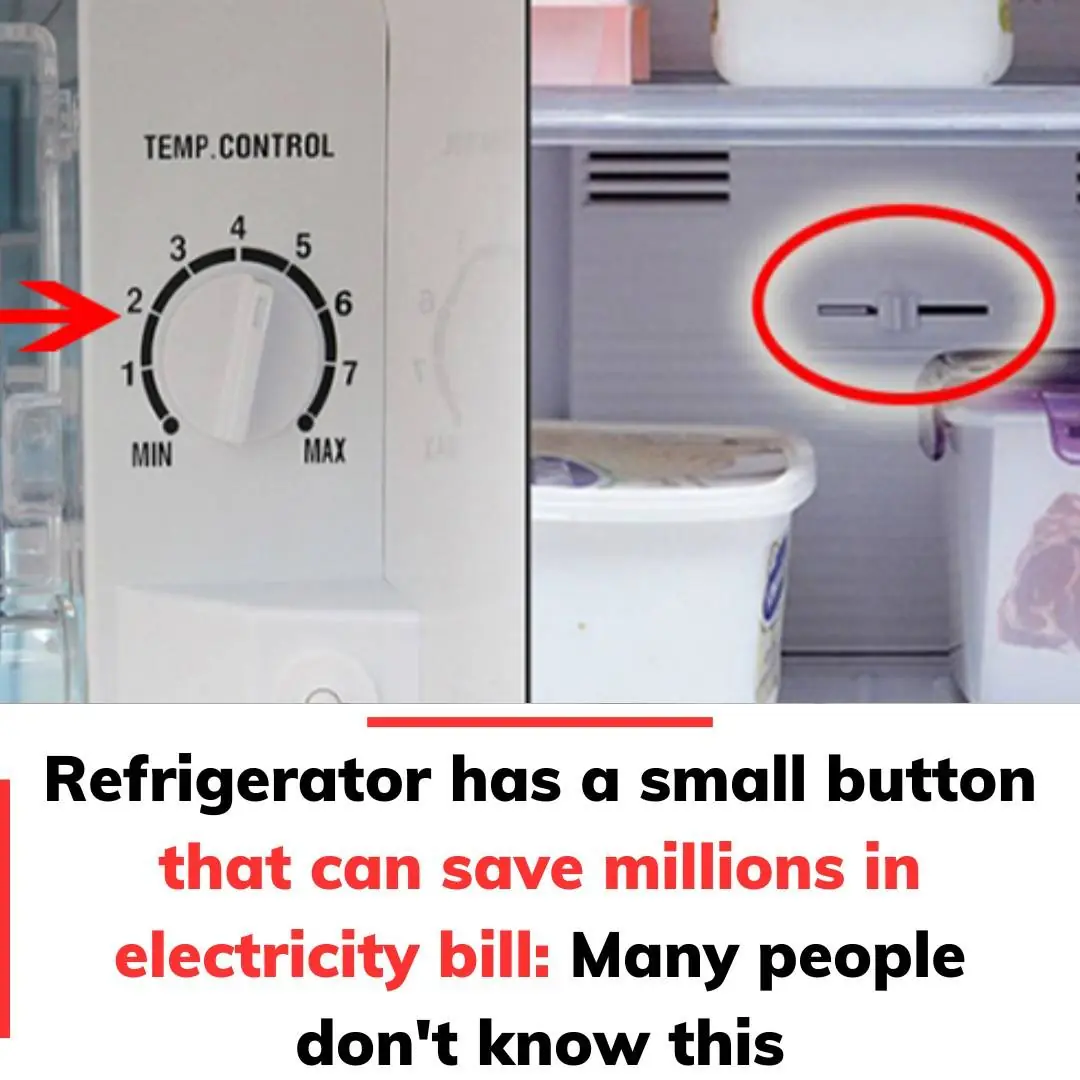
Refrigerators are designed with various controls to regulate temperature and airflow. Two key features highlighted in the image are:
-
Temperature Control Knob:
- This knob allows users to set the cooling intensity within the refrigerator. It usually has settings ranging from "Min" to "Max" or a numeric scale.
- Setting the knob to the appropriate level ensures that the refrigerator maintains the ideal temperature for food preservation without overcooling, which wastes energy.
-
Air Circulation Slider:
- Some refrigerators have an air circulation or vent control slider that regulates the airflow between the freezer and refrigerator compartments.
- Adjusting this slider can balance the cooling between the two sections, ensuring efficient operation based on your storage needs.
2. How These Features Impact Energy Usage
The temperature control knob and air circulation slider directly affect the refrigerator's energy consumption. Here’s how:
-
Overcooling Wastes Energy: Setting the temperature too low causes the compressor to work harder, consuming more electricity. This not only increases your energy bill but may also freeze and spoil fresh produce stored in the fridge compartment.
-
Inefficient Airflow Causes Imbalances: Poor airflow between the freezer and refrigerator sections can lead to uneven cooling. Items in one section may spoil faster, while others freeze unnecessarily, requiring the appliance to work harder.
By optimizing these settings, you can prevent overcooling and ensure even temperature distribution, reducing energy consumption.
3. Ideal Refrigerator Settings for Energy Efficiency
To maximize efficiency and reduce electricity bills, follow these recommended settings:
-
Set the Correct Temperature:
- Refrigerator compartment: 37°F to 40°F (3°C to 5°C) is optimal for preserving food without overcooling.
- Freezer compartment: 0°F (-18°C) is ideal for frozen foods.
- Avoid setting the temperature too low unless absolutely necessary.
-
Adjust the Airflow Slider:
- If your refrigerator is heavily loaded with fresh produce, direct more airflow to the refrigerator compartment.
- For extended freezer use, adjust the slider to favor the freezer section.
-
Use the "Energy-Saving" Mode (if available):
- Some refrigerators have a dedicated energy-saving mode or Eco setting. Activating this feature reduces cooling intensity during periods of low usage, such as overnight.
4. Additional Tips to Reduce Refrigerator Energy Consumption
In addition to optimizing the temperature control knob and airflow slider, consider the following tips:
-
Keep the Refrigerator Full but Not Overcrowded:
- A well-stocked refrigerator retains cold air better, reducing the need for the compressor to work harder. However, avoid overcrowding, as this obstructs airflow.
-
Check the Door Seal:
- Ensure the rubber gasket around the door is intact and forms a tight seal. Leaks can cause cold air to escape, increasing energy usage.
-
Allow Hot Food to Cool Before Storing:
- Placing hot food directly in the refrigerator raises the internal temperature, forcing the compressor to consume more energy.
-
Clean the Coils Regularly:
- Dust and debris on the refrigerator's condenser coils reduce efficiency. Clean them at least twice a year.
-
Defrost Regularly (for Manual Defrost Models):
- Ice buildup in the freezer reduces cooling efficiency. Regular defrosting prevents this issue.
-
Place the Refrigerator in a Cool Location:
- Avoid placing the appliance near heat sources like ovens or in direct sunlight, as this makes it work harder to maintain the desired temperature