Make sure containers are handled safely, particularly if they previously held raw meat or other potentially contaminated food.
Keep Pet Feeding Areas Clean
Pet food is another source that is easy to overlook.
Wet food left in bowls for extended periods can attract flies, particularly during hot weather.
Remove uneaten food according to the manufacturer's storage guidance and your veterinarian's advice.
Wash food bowls regularly and clean the floor around feeding areas.
Pet waste should also be disposed of promptly and stored in appropriately closed containers.
Keeping these areas clean can reduce the number of potential breeding sites around your home.
Check Fruit Bowls and Vegetable Storage Areas
Fruit flies are particularly attracted to fermenting or overripe produce.
A single forgotten piece of fruit can sometimes contribute to a persistent fly problem.
Inspect fruit bowls regularly.
Remove damaged produce, clean sticky surfaces, and store ripe fruit appropriately.
Check potatoes, onions, and other stored vegetables for signs of spoilage.
If a vegetable becomes soft, moldy, or begins decomposing, remove it rather than allowing it to remain among healthy produce.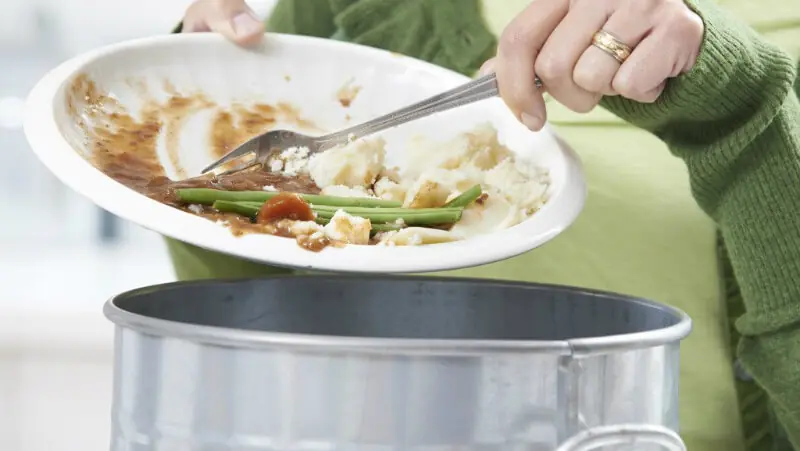
Do Not Forget the Recycling and Compost Areas
Recycling bins and compost containers can become attractive to insects if food residue accumulates.
For recycling, rinse containers when appropriate and avoid leaving food scraps inside packaging.
For compost, use a container with a suitable lid and follow recommended composting practices.
A properly managed compost system is different from an ordinary garbage bin. Organic material is intentionally decomposed, but the process should be managed to reduce odors and discourage unwanted pests.
If you maintain a compost pile, follow local guidance about suitable materials, moisture levels, and covering food scraps with dry material.
Clean the Trash Can on a Regular Schedule
You do not need to wait until maggots appear before washing your garbage bin.
A simple cleaning routine can prevent organic residue from accumulating.
Periodically:
-
Empty the container completely.
-
Inspect the bottom for leaked liquid.
-
Remove food scraps and debris.
-
Wash the interior with detergent and water.
-
Clean the lid, rim, and handles.
-
Rinse away remaining residue.
-
Allow the container to dry completely.
-
Insert a fresh garbage bag.
The frequency depends on how much waste your household produces, whether bags leak, and how warm the environment is.
A household that frequently disposes of wet food waste may need to clean its bin more often than one that produces mostly dry garbage.
Make Your Kitchen Less Attractive to Flies
Preventing maggots is not only about cleaning the trash can.
It also means reducing the number of places where flies can find food and breed.
Keep kitchen counters clean, wipe up spills promptly, store food in covered containers, and avoid leaving dirty dishes sitting for long periods.
Clean drains when necessary and remove organic buildup using appropriate methods.
Repair window screens if flies frequently enter from outside.
If you notice flies gathering around a particular location, investigate rather than simply spraying them.
Different fly species may require different approaches, and identifying the source is often the key to resolving a recurring problem.
A Simple Routine That Can Make a Big Difference
Keeping your kitchen free from maggots does not require complicated equipment or expensive products.
A few consistent habits can significantly reduce the chances of an infestation.
Take out food waste regularly, seal garbage bags securely, keep the lid closed, clean leaking containers promptly, and wash the bin periodically.
Pay extra attention during warm weather, when flies may become more active and organic waste can decompose more quickly.
If you have pets, maintain clean feeding areas and dispose of waste properly.
If flies continue appearing despite these efforts, look for hidden breeding sources or seek professional advice.
FINAL THOUGHTS: THE SECRET IS TO REMOVE WHAT ATTRACTS THE FLIES
Discovering tiny white creatures crawling through your kitchen garbage can be a genuinely unpleasant experience.
But in most ordinary household situations, those creatures are maggots, the larval stage of flies.
They appear because adult flies have found suitable organic material and laid eggs in or around it. Once the eggs hatch, the larvae begin feeding and growing.
Warm temperatures, moisture, exposed food scraps, and leaking garbage bags can make the process happen surprisingly quickly.
The good news is that the problem is usually manageable.
You do not need to panic or immediately reach for the strongest chemical cleaner available.
Start by removing the infested waste. Seal the garbage securely and take it outside. Then inspect the entire container, wash away food residue, rinse thoroughly, and allow the bin to dry before using it again.
If maggots continue appearing, look beyond the garbage bag. Check recycling containers, pet food, fruit bowls, compost, drains, and other areas where organic material may be accumulating.
Most importantly, focus on prevention.
Keep garbage sealed, remove food waste regularly, clean the bin before residue builds up, and maintain good kitchen hygiene.
Remember, simply killing the visible larvae does not solve the underlying problem if the food source remains.
The real solution is to eliminate what attracted the flies in the first place.
A clean, dry, properly maintained trash can gives insects far fewer opportunities to turn your household garbage into a breeding site.
And with a few simple habits, you can make your kitchen much less inviting to flies—and avoid the unpleasant surprise of opening your trash can to find tiny white creatures crawling around inside.