It is tempting to interpret such a decision as proof that the relationship was perfect. But the story does not provide enough information to make that judgment. It gives readers a positive description of Rashid and shows Sarah accepting his proposal. It does not tell us how the couple handled disagreements, what plans they made, or what challenges they faced before the wedding.
That is why the strongest way to understand this part of the account is to focus on Sarah's emotional position. She had once been hurt by a broken engagement. Now she believed she was ready to trust again.
For someone who had spent years building independence, saying yes to marriage did not necessarily mean giving up that independence. It meant deciding that another person could become part of the life she had already created.
And that brings the story to the moment that appeared to confirm all her hopes: the wedding.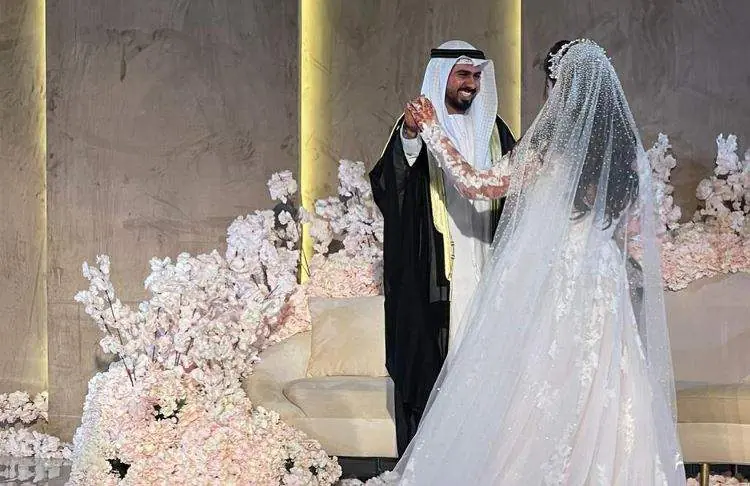
Chapter 2: A Wedding in Dubai That Looked Like a Dream
The wedding described in the article was held at a historic hotel in Dubai. The ballroom was transformed with white roses and orchids, creating the impression of a garden indoors. The bride wore ivory silk, the groom wore a traditional white kandura, and the ceremony took place beneath a canopy of flowers.
The details are deliberately romantic. The setting sun sent golden light through the windows. Guests gathered to witness the vows. There were tears, laughter, and dancing that continued until midnight.
For Sarah, the evening represented the beginning of the marriage she had chosen after years of independence and a previous disappointment.
The meaning of the wedding setting
A wedding venue is more than a location. It becomes part of the memory a couple carries from the day they exchange vows.
The article describes a historic hotel, suggesting a setting with a sense of grandeur and tradition. Dubai is known for its luxury hospitality industry, and the image of an elegant hotel ballroom fits the story's description of a lavish celebration.
But the article does not identify the hotel by name. It does not give the wedding date or confirm the identity of the venue. Those details should not be guessed.
What the passage does provide is a clear visual picture: a ballroom filled with flowers, white roses and orchids arranged throughout the space, and sunlight falling through the windows as the couple exchanged their vows.
The choice of white flowers is particularly fitting for the atmosphere the story seeks to create. White roses are often associated with new beginnings, sincerity, and devotion. Orchids can suggest elegance, beauty, and refinement. Together, they help create the image of a celebration designed to feel both graceful and memorable.
Sarah's ivory silk gown
The bride's dress is another important detail in the story.
Sarah wore a gown made of ivory silk. The article does not describe the neckline, sleeves, train, veil, or embroidery, so those details should not be added as though they were known. Still, the choice of ivory silk suggests a classic and elegant bridal look.
A wedding dress often carries emotional meaning beyond its appearance. For many brides, choosing the dress is part of imagining the ceremony and the photographs that will remain long after the celebration has ended.
In Sarah's story, the gown becomes part of the visual contrast between the wedding night and the following morning. The image of a bride dressed for a new beginning is placed beside the headline's claim of sudden loss.
That contrast is what makes the narrative so powerful. The dress represents a moment when Sarah believed her future had opened up. The headline tells readers that the future she imagined was interrupted almost immediately.
Rashid's traditional attire
Rashid wore a traditional white kandura.
The kandura is a long garment commonly worn by men in the United Arab Emirates and other parts of the Gulf region. It is often white, particularly in warmer months, although colors and styles can vary according to region, occasion, and personal preference.
The article mentions the kandura without providing further details about Rashid's background or family. It would therefore be inappropriate to assume his nationality, religion, family status, or social position solely from his clothing.
The garment helps establish the cultural setting of the wedding, while the bride's ivory gown reflects a different bridal tradition. The image of the couple together suggests a celebration that brings different styles of formal dress into one ceremony.
The vows beneath the flowers
The couple exchanged vows beneath a canopy of flowers as the setting sun cast golden light through the windows.
The article does not reproduce the vows, and there is no reason to invent dialogue for them. But the setting gives readers an idea of the atmosphere the story wants to convey.
Wedding vows are promises about a shared future. They can involve loyalty, support, companionship, and the willingness to face difficulties together. Their meaning is not determined by the size of the venue or the cost of the decorations.
A couple can exchange vows in a grand hotel or a small family home. What matters is the commitment they believe they are making.
For Sarah, the ceremony appeared to symbolize a new stage in life. She had already built a career and learned to live independently. Now she was making a public promise to share her life with Rashid.
The story does not tell readers what the guests thought of the marriage or what the couple discussed privately after the ceremony. It focuses instead on the visible celebration: the flowers, the light, the clothing, and the emotional atmosphere.
Tears, laughter, and dancing until midnight
The reception continued with tears, laughter, and dancing that lasted until midnight.
These are familiar elements of a wedding celebration. Guests may cry during the vows, laugh during speeches, and dance as the evening moves toward its end. For family and friends, the reception offers an opportunity to celebrate the couple and share in their happiness.
The article's description suggests that the wedding was joyful and full of life. It does not describe any warning sign, argument, or unusual event during the reception.
That point matters because the headline makes the following morning sound almost impossible to reconcile with the wedding night. The story presents no gradual transition from happiness to concern. Instead, it places the reader directly between two extremes: a celebration that appeared complete and a death said to have occurred only hours later.
The lack of detail about what happened during the night leaves a large gap in the narrative. Readers are told that Rashid died the next morning, but they are not told where the couple stayed, whether he felt unwell, whether anyone called for medical assistance, or whether the death was sudden and unexpected.
Those are not minor details. They would be essential in a factual report about a real death.
The vintage Rolls-Royce departure
At the end of the reception, Sarah and Rashid left in a vintage Rolls-Royce, waving to their guests as the car pulled away.
This is the final scene described in the supplied passage.
It is a classic image of a wedding ending: the couple leaving together while friends and family watch, expecting that the celebration is only the beginning of a longer life.
The car symbolizes luxury in the story, but the emotional importance of the moment comes from the couple's departure. They were no longer simply the bride and groom at a reception. They were newlyweds leaving together.