At first, the changes may seem harmless. You might assume they are insect bites, irritation from your bedsheets, or a reaction to a new skincare product. But as you look more closely, questions begin to arise. Why did these marks appear so suddenly? What happened while you were sleeping? And could your skin be responding to something happening inside your body?
Unexpected skin changes can be unsettling, particularly when they appear overnight. However, there are many possible explanations, and not all of them indicate a serious medical problem.
The skin is constantly interacting with the environment. During sleep, it remains exposed to bedding materials, laundry products, dust, insects, changes in temperature, sweat, and substances that may trigger irritation or allergic reactions. Certain skin conditions can also become more noticeable during the night or immediately after waking.
In some cases, the explanation is relatively simple. In others, the changes may be a sign that the skin needs medical attention.
Understanding the possible causes, recognizing warning signs, and knowing when to seek professional advice can help prevent unnecessary worry while ensuring that important symptoms are not overlooked.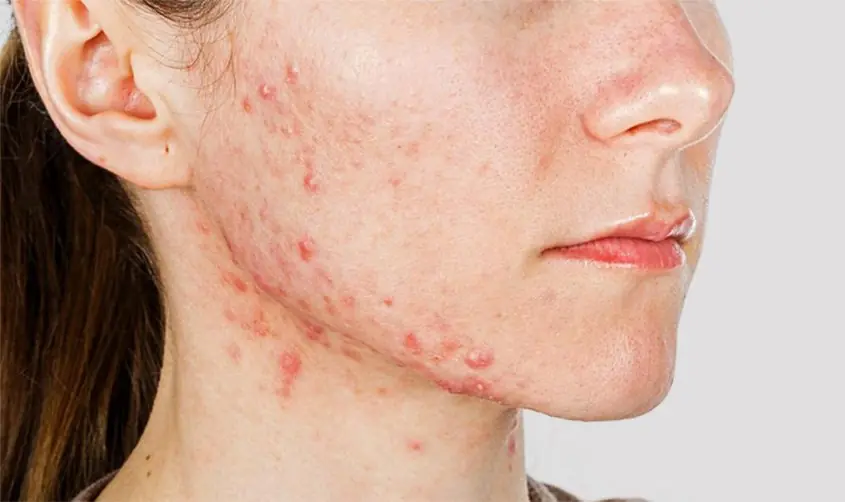
1. Why Can Skin Changes Appear So Suddenly?
The skin is the body's largest organ and serves as an important protective barrier. It helps regulate body temperature, prevents excessive water loss, and protects underlying tissues from environmental substances and microorganisms.
Because it is constantly exposed to the outside world, the skin can react to many different triggers.
Some reactions develop within minutes. Others take several hours before becoming noticeable.
For example, an allergic reaction to a substance that touches the skin may cause redness, itching, or swelling. An insect bite may initially go unnoticed but become more inflamed several hours later. Certain rashes may also become more visible after warmth, sweating, or friction during sleep.
There are several reasons why someone might wake up with unfamiliar marks or patches.
These include:
-
Allergic reactions to laundry detergent, fabric softener, or skincare products.
-
Insect bites from mosquitoes, fleas, or bedbugs.
-
Hives triggered by environmental or internal factors.
-
Irritation caused by sweat, heat, or friction.
-
Eczema and other inflammatory skin conditions.
-
Fungal or bacterial skin infections.
-
Reactions to medications.
-
Changes in existing pigmentation or skin disorders.
The timing of the discovery does not necessarily reveal when the underlying process began.
A person may notice a rash in the morning even though the reaction started hours earlier. Similarly, a condition that develops gradually may become more obvious after spending several hours in bed.
This is why examining the appearance, distribution, and progression of the skin changes is important.
2. Allergic Contact Dermatitis: Could Something in Your Bedroom Be Responsible?
One possible explanation for unexpected skin changes is allergic contact dermatitis.
This condition develops when the immune system reacts to a substance that comes into direct contact with the skin.
Unlike simple irritation, which can affect almost anyone exposed to a sufficiently harsh substance, allergic contact dermatitis involves an immune response to a particular allergen.
Common triggers include:
-
Fragrances in soaps and lotions.
-
Laundry detergents.
-
Fabric softeners.
-
Certain preservatives in cosmetics.
-
Nickel in jewelry or clothing accessories.
-
Rubber materials.
-
Adhesives.
-
Some topical medications.
The bedroom may contain several potential sources of exposure.
For example, someone who recently changed laundry detergent may develop an itchy rash in areas that remain in contact with freshly washed sheets or clothing.
A new body lotion, perfume, or moisturizing cream applied before bed may also trigger a reaction.
Symptoms can include redness, itching, swelling, small bumps, and sometimes fluid-filled blisters.
The rash may appear in the exact areas where the skin contacted the triggering substance, although it can occasionally spread beyond the original contact site.
An important characteristic of allergic contact dermatitis is that the reaction may be delayed. Symptoms can develop many hours after exposure, meaning that someone may not immediately connect the rash with the product responsible.
If a new rash appears after introducing a new household or skincare product, stopping the suspected product and discussing persistent symptoms with a healthcare professional may be helpful.
A dermatologist may recommend patch testing to identify specific allergens.
People should avoid repeatedly experimenting with new creams or household products while the skin is irritated, as this may make the problem more difficult to identify.
3. Bedbug Bites: Could Something Have Happened While She Was Sleeping?
Another possibility that often comes to mind when someone wakes up with unfamiliar red marks is an insect bite.
Bedbugs are small insects that feed on human blood, usually during periods of rest or sleep. They commonly hide in mattress seams, bed frames, furniture joints, and cracks near sleeping areas.
Their bites can cause small, itchy, red or swollen marks.
Some people develop noticeable reactions, while others show very little visible response.
Bedbug bites are sometimes arranged in lines or clusters, although this pattern is not reliable enough to confirm an infestation.
Possible signs include: