Myth 1: Every rash that appears overnight is caused by bedbugs.
Bedbugs are one possible explanation, but many other conditions can produce similar marks. Hives, mosquitoes, fleas, contact dermatitis, and eczema can all cause sudden-looking skin changes.
Myth 2: If a rash does not hurt, it cannot be serious.
Some important medical conditions may initially cause little or no pain. Changes in color, spreading patterns, fever, and other symptoms also matter.
Myth 3: All red bumps are allergic reactions.
Insect bites, infections, inflammatory conditions, and medication reactions can also produce red bumps.
Myth 4: Applying more creams will make the rash disappear faster.
Using multiple products can increase irritation and make it harder to identify the original cause.
Myth 5: A rash that appears in the morning must have developed during sleep.
Some skin reactions have delayed symptoms. The underlying process may have started hours or even days before the person noticed it.
Myth 6: Natural remedies are always safe.
Lemon juice, essential oils, vinegar, and other household substances can irritate skin or cause allergic reactions. Natural does not automatically mean harmless.
Understanding these distinctions can help people avoid unnecessary treatments and recognize when professional advice is needed.
17. How to Reduce the Risk of Skin Irritation While Sleeping
Although not every skin condition can be prevented, several habits may help reduce exposure to common irritants.
Choose gentle laundry products.
Fragrance-free detergents may be helpful for people with sensitive skin.
Wash bedding regularly.
Clean sheets and pillowcases can reduce the accumulation of sweat, oils, and other substances.
Avoid excessive heat.
A comfortably cool sleeping environment may reduce sweating and heat-related irritation.
Use breathable fabrics.
Cotton and other comfortable materials may help reduce friction and moisture buildup for some people.
Maintain a simple skincare routine.
Using a gentle cleanser and suitable moisturizer may help support the skin barrier.
Inspect sleeping areas when insect bites are suspected.
Check mattress seams, bed frames, and nearby furniture for signs of insects.
Keep pets protected against fleas.
Appropriate veterinary flea prevention can reduce the likelihood of flea exposure in the home.
Avoid introducing several new skincare products simultaneously.
Using one new product at a time makes it easier to identify a potential reaction.
These habits can help reduce certain triggers, but they cannot guarantee that unexpected skin changes will never occur.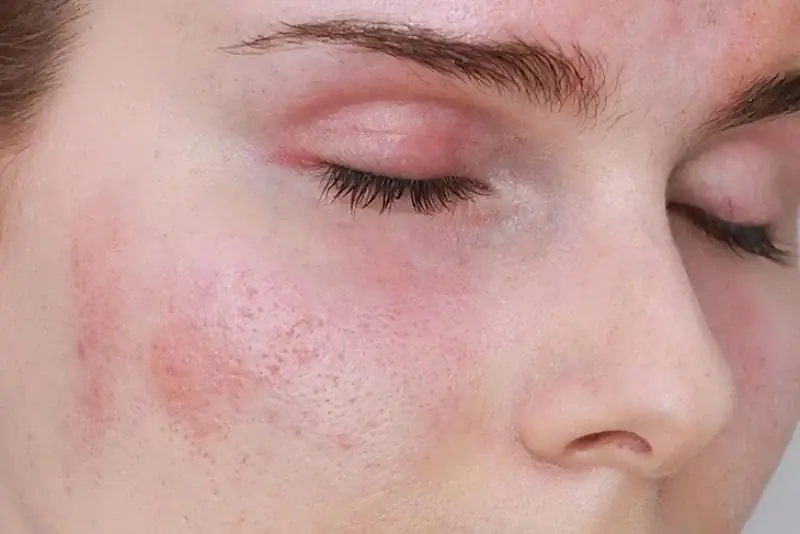
18. Why Professional Diagnosis Matters
Skin conditions often look surprisingly similar.
For example, allergic contact dermatitis, eczema, fungal infections, and certain medication reactions may all produce red, itchy patches.
Similarly, some infections can resemble ordinary insect bites during their early stages.
A dermatologist or other qualified healthcare professional can assess the skin's appearance, medical history, symptom progression, and possible exposures.
Depending on the suspected condition, further testing may include:
-
A skin examination under a special light.
-
Skin scraping to look for fungal organisms.
-
Patch testing for contact allergies.
-
Blood tests when an underlying medical condition is suspected.
-
A skin biopsy in selected cases.
Not every patient needs all these tests. The appropriate evaluation depends on the individual presentation.
An accurate diagnosis helps prevent unnecessary treatment and reduces the risk of worsening a condition through inappropriate products.
It also provides reassurance when the changes are harmless.
19. Your Skin May Be Reacting to Something You Never Expected
One of the most surprising aspects of skin health is how many different factors can influence its appearance.
A rash discovered after waking may be related to something as ordinary as a new detergent, a warm bedroom, or an insect bite.
It may also reflect an existing inflammatory condition, an infection, or a reaction to medication.
The challenge is that the timing of discovery does not always reveal the true cause.
A person may wake up with visible symptoms even though the underlying reaction began much earlier.
This is why it is important to consider the complete picture rather than focusing on one detail.
What products have recently changed? Has a new medication been introduced? Are the marks itchy, painful, or swollen? Are they spreading? Is there fever or another symptom?
These questions can help guide the next step.
Final Thoughts: Don't Ignore Unusual Skin Changes, but Don't Panic Either
Waking up to unfamiliar marks, bumps, or patches can be concerning, especially when the skin looked completely normal before going to bed.
However, sudden-looking skin changes have many possible explanations. Some are temporary and harmless, while others require medical attention.
Allergic contact dermatitis, insect bites, hives, eczema, heat rash, fungal infections, and medication reactions are among the possibilities.
The appearance, location, texture, and progression of the changes can provide useful clues, but only an appropriate medical assessment can establish the cause when symptoms are unexplained or concerning.
Avoid scratching, aggressive cleansing, and unverified home treatments. Pay attention to new products and medications, document changes when helpful, and seek professional advice if the rash persists or worsens.
Most importantly, do not overlook emergency warning signs such as breathing difficulties, throat swelling, severe skin pain, blistering, or a rapidly spreading purple rash accompanied by fever.
Your skin is an important part of your body's defense system. Paying attention to unexpected changes does not mean assuming the worst. It means recognizing when a small symptom deserves a closer look and taking the right steps to protect your health.