-
Small itchy bumps on exposed skin.
-
Several marks appearing close together.
-
Blood spots on bedsheets.
-
Tiny dark spots around mattress seams.
-
Shed insect skins or visible insects near sleeping areas.
The reaction to bedbug bites varies significantly between individuals.
One person may develop large, itchy welts, while another person sleeping in the same room may show almost no symptoms.
This difference can make an infestation difficult to recognize based on skin marks alone.
It is also important to understand that not every group of red bumps is caused by bedbugs. Mosquitoes, fleas, other insects, hives, and contact dermatitis can produce similar appearances.
If bedbugs are suspected, inspecting the mattress, bed frame, and nearby furniture may help identify evidence of an infestation.
Avoid applying pesticides directly to the skin or using household insecticides on bedding unless the product is specifically labeled for that purpose.
Persistent or severe skin reactions should be evaluated by a healthcare professional.
4. Hives: When the Skin Suddenly Develops Raised, Itchy Welts
Hives, medically known as urticaria, are another common cause of sudden skin changes.
They can appear unexpectedly and may affect almost any area of the body.
Hives typically produce raised, itchy welts that vary in size and shape. They may be pale in the center with reddish surrounding skin, although their appearance can differ depending on skin tone.
One distinctive feature is that individual welts often change shape, disappear, or appear in different locations over time.
Some episodes last only a few hours, while others may continue for several days.
Hives can be triggered by numerous factors, including:
-
Certain foods.
-
Medications.
-
Infections.
-
Insect stings or bites.
-
Physical pressure.
-
Heat or cold.
-
Exercise.
-
Emotional stress.
-
Sometimes, no identifiable trigger.
The immune system releases chemicals, including histamine, which cause small blood vessels in the skin to become more permeable. This leads to fluid accumulating in the surrounding tissue, producing raised, swollen areas.
Some people notice hives after sleeping because warmth, pressure from bedding, or other physical factors may contribute to the reaction.
However, waking up with hives does not automatically mean that something in the bedroom caused them.
Acute hives often resolve without lasting skin damage, but recurrent episodes deserve medical assessment.
When Hives Become an Emergency
Hives can sometimes occur alongside a severe allergic reaction called anaphylaxis.
Warning signs include:
-
Difficulty breathing.
-
Swelling of the tongue or throat.
-
Trouble swallowing.
-
Sudden dizziness or fainting.
-
Severe weakness.
-
Rapidly worsening symptoms involving multiple body systems.
Anaphylaxis is a medical emergency. Anyone experiencing these symptoms should seek emergency assistance immediately.
If an epinephrine auto-injector has been prescribed, it should be used according to the person's emergency instructions.
Do not assume that a severe reaction will resolve on its own.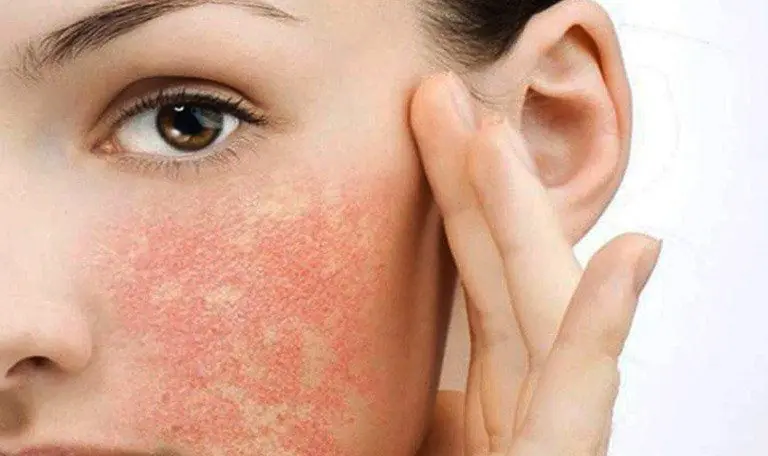
5. Mosquito and Flea Bites: Small Marks That Become More Noticeable Overnight
Mosquitoes and fleas can also cause unexpected skin changes.
Mosquitoes feed on blood and introduce saliva into the skin. The immune system reacts to substances in the saliva, producing the familiar itchy bump.
Some people develop only a small red mark, while others experience larger areas of swelling.
Mosquito bites are commonly found on exposed areas such as the arms, legs, ankles, and face.
Flea bites often appear around the lower legs and ankles, particularly when pets or infested environments are involved.
They may occur in small clusters and can be intensely itchy.
The reaction may become more noticeable several hours after the bite because inflammation develops over time.
Scratching can make the irritation worse and may damage the skin, increasing the risk of a secondary bacterial infection.
To reduce discomfort, people can consider:
-
Washing the affected area gently with soap and water.
-
Applying a cool compress.
-
Avoiding scratching.
-
Using an appropriate anti-itch treatment after checking its suitability.
-
Keeping fingernails short to reduce accidental skin damage.
If a bite becomes increasingly painful, hot, swollen, or begins producing pus, medical evaluation is recommended.
Fever or rapidly spreading redness may indicate an infection rather than an ordinary bite reaction.
6. Eczema: Why Existing Skin Conditions May Look Worse in the Morning
Sometimes unusual skin changes are not new at all. They may represent a flare-up of an existing condition that becomes more noticeable after several hours of sleep.
Eczema, particularly atopic dermatitis, is a common inflammatory skin condition associated with dryness, itching, and a weakened skin barrier.
It can affect people of all ages, although it frequently begins during childhood.
Common symptoms include:
-
Dry or rough skin.
-
Red or darker inflamed patches.
-
Persistent itching.
-
Small bumps.
-
Cracking or scaling.
-
Thickened skin after repeated scratching.
Eczema can affect the face, hands, arms, legs, neck, and skin folds.
Many people experience increased itching at night. Several factors may contribute, including changes in body temperature, reduced distractions, skin dryness, and natural daily fluctuations in inflammatory activity.
Sweating under blankets, friction from bedding, and exposure to irritating detergents may also aggravate symptoms.
Someone who scratches during sleep may wake up with additional redness, small wounds, or irritated patches.
Managing eczema usually involves maintaining the skin barrier and controlling inflammation.
Common strategies include:
-
Using fragrance-free moisturizers regularly.
-
Taking short, lukewarm showers.
-
Avoiding harsh soaps.
-
Wearing comfortable, breathable clothing.
-
Using gentle laundry products.
-
Following prescribed treatment when needed.
Topical corticosteroids and other prescription medications may be recommended for certain flare-ups.
However, treatment strength and duration should be determined by a healthcare professional, particularly when the rash affects the face or sensitive areas.