Should You Eat or Discard Eggs with Red or White Streaks?
Many people wonder whether eggs with red or cloudy white streaks are safe to eat when they crack them open. These streaks often raise concerns about the quality of the egg and whether it should be consumed or discarded.
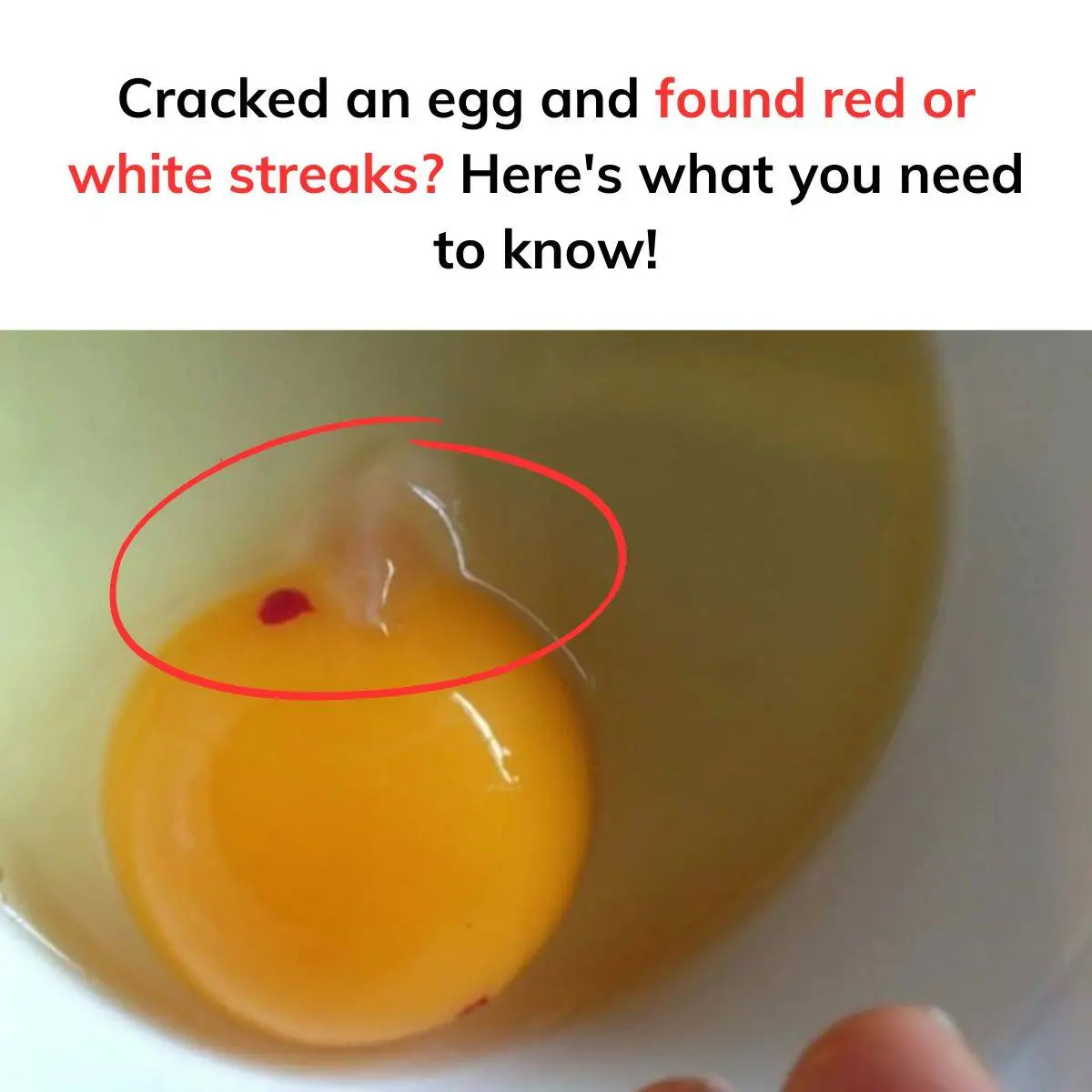
What Is the Red Streak in an Egg?
When cracking open an egg, red streaks may appear in the egg white or yolk, which can worry some about the egg's quality.
In reality, these red streaks are blood spots and are not a sign of a spoiled egg. They typically result from minor ruptures in small blood vessels in the hen’s ovaries during egg formation. Factors like the hen's age, diet, or overall health can influence these ruptures.
Should You Eat or Discard Eggs with Red or Cloudy White Streaks?
It’s safe to say that these streaks are normal and unrelated to any disease in the hen. Eggs with red streaks are not inferior in quality or unsafe to eat.
Before reaching the market, eggs usually undergo thorough inspection, including candling, to detect and remove abnormalities. However, some eggs with blood spots may pass undetected. These spots do not pose a health risk to consumers.
If the sight of a red streak bothers you, you can simply remove it with a spoon and prepare the egg as usual without worrying about food safety. The presence of red streaks does not affect the egg’s flavor or nutritional value.
What Is the Cloudy White Streak in an Egg?
In addition to red streaks, you might notice cloudy white streaks when cracking an egg. These are also entirely normal and harmless. The cloudy white streaks, known as chalazae, are structures that anchor the yolk in the center of the egg, protecting it from movement or external impacts.
Rather than being a defect, these streaks indicate the egg’s freshness. The fresher the egg, the more prominent the chalazae. As the egg ages, the chalazae become less visible or disappear entirely.
Therefore, when you see cloudy white streaks, rest assured that the egg is safe to use without any concerns.
Tips for Selecting Eggs
Here are a few guidelines to ensure you purchase and consume fresh eggs safely:
-
Check the Egg’s Condition: Use simple tests like the water float test. Place the egg in a bowl of water; fresh eggs sink to the bottom, while older eggs float. Floating eggs are likely spoiled or no longer fresh.
-
Smell Test: Fresh eggs should have no odor. If you detect a foul or unusual smell, it’s a sign the egg has gone bad and should be discarded. Odors typically indicate bacterial contamination.
-
Examine Color and Appearance: Avoid eggs with unusual colors, such as green or black streaks, or if the yolk is broken and mixed with the white. These signs indicate the egg is spoiled and unsafe to eat.
By following these tips, you can ensure the eggs you use are fresh and safe, even if they occasionally have red or cloudy white streaks.