Bananas and avocados may seem like an unusual breakfast pairing at first. One is naturally sweet, soft, and rich in carbohydrates, while the other is creamy, savory, and packed with healthy fats.
But nutritionally, the two foods can complement each other surprisingly well.
A banana provides carbohydrates, potassium, vitamin B6, and dietary fiber, while avocado contributes monounsaturated fats, fiber, folate, potassium, vitamin E, and other micronutrients. Together, they can create a breakfast that is satisfying, nutrient-dense, and easy to prepare.
But it's important to keep expectations realistic. Eating banana and avocado every morning isn't a guaranteed way to “detox” your body, burn fat, cure disease, or transform your health in 30 days.
The potential benefits come from the nutrients these foods provide and from how they fit into your overall eating pattern.
Here are 15 potential benefits worth knowing about.

1. They Can Provide a Strong Nutritional Start to the Day
Breakfast doesn't have to be complicated to be nutritious.
A banana provides naturally occurring carbohydrates that the body can use for energy, while avocado contributes healthy fats and fiber.
Together, they provide several important nutrients in a relatively simple meal.
Bananas are particularly known for their:
-
potassium
-
vitamin B6
-
carbohydrates
-
fiber
-
vitamin C
Avocados provide:
-
monounsaturated fats
-
fiber
-
folate
-
potassium
-
vitamin E
-
vitamin K
-
magnesium
The exact nutritional content depends on the size and variety of the fruit.
2. The Combination May Help You Feel Fuller
One reason this combination can work well for breakfast is its combination of fiber and fat.
Avocado contains a substantial amount of monounsaturated fat and fiber, while bananas contribute additional fiber.
Fiber can slow digestion and contribute to feelings of fullness.
Dietary fat can also make a meal more satisfying.
As a result, a breakfast containing banana and avocado may feel more substantial than a breakfast consisting primarily of refined carbohydrates.
For people who tend to become hungry shortly after eating breakfast, this combination may be worth trying.
3. Bananas Provide Convenient Energy
Bananas are rich in carbohydrates, making them an easy source of energy.
This can be particularly useful in the morning when you're preparing for work, exercise, school, or other activities.
The carbohydrates in a banana are accompanied by fiber and naturally occurring sugars, rather than being equivalent to eating a refined sugary snack.
That doesn't mean bananas provide unlimited or instant energy.
Your overall meal, portion size, activity level, sleep, and total calorie intake all influence how energetic you feel.
Still, a banana can be a convenient way to add carbohydrates to breakfast.
4. They Provide Potassium
Both bananas and avocados contain potassium.
Potassium is an essential mineral involved in:
-
muscle contraction
-
nerve function
-
fluid balance
-
and maintaining normal blood pressure
A diet containing adequate potassium, particularly when combined with a healthy overall eating pattern and appropriate sodium intake, can support cardiovascular health.
However, more potassium isn't always better.
People with certain kidney conditions may need to limit potassium intake because impaired kidney function can make it harder for the body to remove excess potassium.
If you have kidney disease, don't dramatically increase high-potassium foods without discussing your dietary needs with a healthcare professional.
5. Avocado Provides Heart-Friendly Unsaturated Fat
Avocado is particularly notable for its monounsaturated fat.
Replacing some saturated fats with unsaturated fats can be beneficial for cardiovascular health.
This is one reason avocados are commonly included in heart-conscious dietary patterns.
However, eating avocado doesn't automatically protect someone from heart disease.
Its potential value comes from how it fits into the overall diet.
For example, using avocado in place of butter or other foods high in saturated fat can produce a different nutritional effect than simply adding avocado on top of an already calorie-dense diet.
6. The Fiber Content Supports Digestive Health
Both foods contribute dietary fiber.
Fiber plays several important roles in the digestive system.
It can help support:
-
regular bowel movements
-
stool bulk
-
digestive function
-
and a healthy gut environment
A diet rich in fiber from fruits, vegetables, whole grains, legumes, nuts, and seeds is generally associated with better long-term health outcomes.
If your current diet is low in fiber, however, suddenly eating large amounts of fruit and avocado may cause bloating or gas.
Increasing fiber gradually and drinking enough fluid can make the transition easier.
7. They May Help Support More Stable Meals
A banana by itself is primarily a carbohydrate-rich food.
Adding avocado introduces fat and additional fiber.
That combination can make the meal more balanced from a nutritional perspective.
For example, instead of eating only a banana, you might combine:
banana + avocado + Greek yogurt + whole-grain toast
Now the meal contains carbohydrates, healthy fats, protein, and fiber.
This is generally more nutritionally complete than focusing on one food alone.
For people monitoring blood sugar, pairing carbohydrate-rich foods with protein, fat, or fiber can also influence how quickly glucose rises after a meal.
Individual responses vary, however, particularly for people with diabetes.
8. Bananas Provide Vitamin B6
Bananas are a convenient source of vitamin B6.
Vitamin B6 is involved in numerous processes, including amino-acid metabolism, neurotransmitter production, and normal immune function.
A single banana won't provide all the vitamin B6 your body needs, but it can contribute meaningfully to daily intake.
Other sources include poultry, fish, potatoes, chickpeas, fortified cereals, and other foods.
This illustrates an important principle of nutrition:
Foods don't need to provide every nutrient to be valuable.
They contribute to a larger nutritional picture.
9. Avocado Provides Folate and Other Micronutrients
Avocado provides folate, a B vitamin that plays an important role in DNA synthesis and cell division.
Folate is particularly important during pregnancy because adequate intake helps support normal fetal development.
Avocados also contain smaller amounts of several other vitamins and minerals.
Again, the benefit comes from dietary variety.
Eating avocado doesn't eliminate the need for leafy greens, legumes, whole grains, or other folate-containing foods.
10. They Contain Plant Compounds With Antioxidant Activity
Bananas and avocados contain various plant compounds that have antioxidant properties.
Antioxidants are involved in protecting cells from oxidative damage.
Avocado contains compounds such as carotenoids and vitamin E, while bananas contain several naturally occurring plant compounds.
However, it's important not to turn this into a miracle claim.
The presence of antioxidants in a food does not automatically mean that eating that food prevents cancer, stops aging, or cures chronic disease.
Health outcomes depend on many factors, including overall diet, genetics, physical activity, sleep, smoking, alcohol consumption, and medical conditions.
11. Avocado May Help You Absorb Certain Nutrients From Other Foods
Here's an interesting advantage of adding avocado to a meal.
The fat in avocado can help with the absorption of fat-soluble compounds, including certain carotenoids found in vegetables.
For example, eating avocado alongside foods containing carotenoids may increase the body's absorption of these compounds.
This means avocado doesn't necessarily have to be eaten alone to be useful.
It can be incorporated into a broader meal containing vegetables and other nutrient-rich foods.
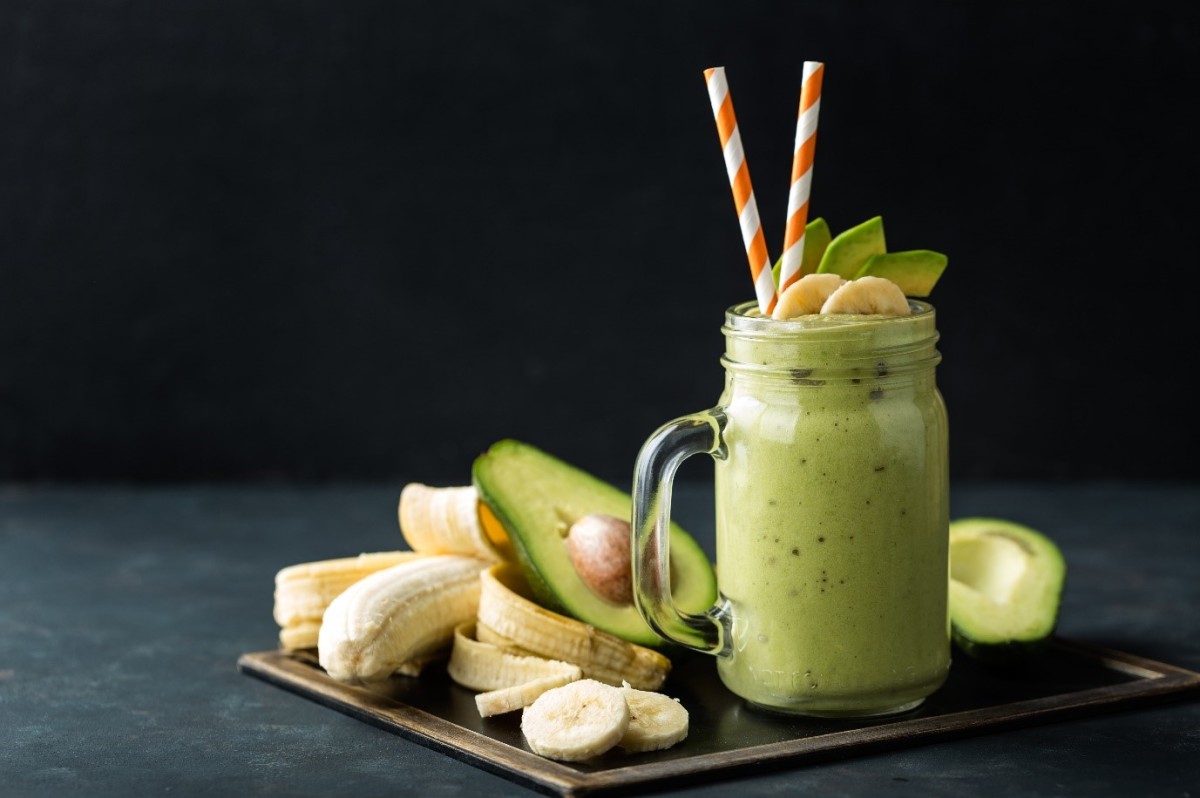
12. The Combination Can Be Useful Before Physical Activity
A banana is a popular pre-exercise food because it provides carbohydrates and is relatively easy to eat.
For some people, it can be a convenient option before walking, running, cycling, or other exercise.
Adding avocado provides fat and fiber, which may make the meal more filling.
However, there's an important distinction.
If you're eating immediately before intense exercise, a large amount of fat and fiber may feel heavy in the stomach.
For that reason, some people may prefer a banana alone or with a small amount of easily digested protein before exercise, and save the avocado for another meal.
Individual tolerance matters.