13. They Can Support a More Balanced Approach to Snacking
Eating a nutrient-dense breakfast may help reduce the temptation to rely on highly processed snacks later in the morning.
If you start the day with a meal containing fiber, healthy fats, carbohydrates, and protein, you may find it easier to manage hunger.
But this effect isn't guaranteed.
Hunger depends on many factors, including:
-
sleep
-
physical activity
-
stress
-
meal size
-
protein intake
-
individual metabolism
-
and total calorie intake
So banana and avocado shouldn't be viewed as a special appetite-control formula.
They're simply nutritious foods that can contribute to a satisfying meal.
14. They Can Be Helpful for People Trying to Eat More Whole Foods
One of the biggest advantages of this breakfast may be its simplicity.
You don't need a supplement powder, detox drink, or expensive health product.
You can simply eat two whole foods.
Bananas and avocados are minimally processed, naturally nutrient-rich, and versatile.
You can combine them with other whole foods such as:
-
oats
-
plain yogurt
-
eggs
-
whole-grain bread
-
nuts
-
seeds
-
berries
-
leafy greens
This makes it easier to build meals around whole foods rather than ultra-processed snacks.
15. Eating Them Regularly Can Add Variety to Your Diet
Eating the same foods every day isn't necessarily bad, but dietary variety is important.
Different fruits and vegetables provide different combinations of vitamins, minerals, fiber, and plant compounds.
Bananas and avocados can be part of that variety.
You might eat banana and avocado several mornings a week while rotating other foods such as berries, apples, oranges, tomatoes, spinach, beans, oats, and other fruits and vegetables.
The goal isn't to find one “perfect” breakfast.
It's to create a pattern that provides a broad range of nutrients over time.
What Happens If You Eat Banana and Avocado Every Morning for a Month?
You may notice some changes, but don't expect dramatic transformations.
If the combination replaces a less nutritious breakfast, you might consume more fiber, potassium, healthy fats, and micronutrients.
You may also feel more satisfied after breakfast.
Some people may notice improved bowel regularity if their overall fiber intake increases.
Others may notice no obvious difference at all.
That's completely normal.
Nutrition often works gradually and invisibly.
The value of a nutritious food isn't necessarily measured by whether you can “feel” an immediate effect.
What About Weight Loss?
This is where many online claims become exaggerated.
Bananas and avocados can absolutely be part of a weight-management diet.
But neither food directly burns body fat.
Avocado is relatively calorie-dense because it contains a significant amount of fat.
Bananas also provide carbohydrates and calories.
If you eat large portions on top of your normal diet, you could increase your total calorie intake.
On the other hand, if a balanced banana-and-avocado breakfast replaces a highly processed, calorie-dense meal, it may fit very well into a weight-management plan.
Portion size and total dietary intake matter more than any individual food.
Can People With Diabetes Eat Banana and Avocado?
Generally, bananas and avocados can both be included in a diabetes-friendly eating pattern, but portions and the overall meal matter.
Bananas contain carbohydrates and therefore can raise blood glucose.
Avocados contain relatively little carbohydrate and provide fiber and fat.
Combining carbohydrate-rich foods with protein, fiber, and fat can affect the rate at which glucose enters the bloodstream.
But individual responses vary.
Someone with diabetes should consider their own glucose readings, medication regimen, carbohydrate needs, and guidance from their healthcare professional.
The goal isn't necessarily to eliminate bananas.
It's to understand how they fit into the person's overall eating pattern.
Who Should Be Careful With This Combination?
For most healthy people, banana and avocado are ordinary nutritious foods.
However, some individuals need to pay closer attention to portions or dietary restrictions.
People with certain kidney conditions
Both foods contain potassium.
People with advanced kidney disease may need to limit potassium depending on their individual laboratory results and treatment plan.
People with food allergies
Although uncommon, allergies to banana or avocado can occur.
Some people with latex allergy may also experience reactions to certain fruits, including banana and avocado, because of latex-fruit cross-reactivity.
People monitoring calorie intake
Avocado is nutrient-dense but relatively high in calories.
Large portions can add substantial calories to a meal.
People with digestive sensitivity
Both foods contain fiber, and large amounts may cause bloating or digestive discomfort in some individuals.
How to Make a Better Banana-and-Avocado Breakfast
Instead of simply eating a banana and half an avocado, consider turning them into a more balanced meal.
For example:
Option 1: Whole-grain toast
Mashed avocado on whole-grain toast with sliced banana on the side.
Add a boiled egg for protein.
Option 2: Smoothie
Blend banana, avocado, plain Greek yogurt, spinach, and unsweetened milk.
Option 3: Breakfast bowl
Combine sliced banana and avocado with Greek yogurt, oats, chia seeds, and a small amount of nuts.
Option 4: Savory breakfast
Use avocado with eggs and whole-grain toast, then have a banana as the fruit component.
These combinations provide a broader range of nutrients than relying on banana and avocado alone.
You Don't Have to Eat Them Every Morning
There's also no scientific requirement to eat banana and avocado specifically every day.
If you enjoy them, great.
But you can get similar nutritional benefits from many other foods.
For potassium, you can eat potatoes, beans, leafy greens, yogurt, and other fruits.
For healthy fats, you can choose olive oil, nuts, seeds, and fatty fish.
For fiber, you can eat legumes, whole grains, vegetables, berries, and other fruits.
For folate, leafy greens and legumes are excellent sources.
A healthy diet is flexible.
The Bottom Line
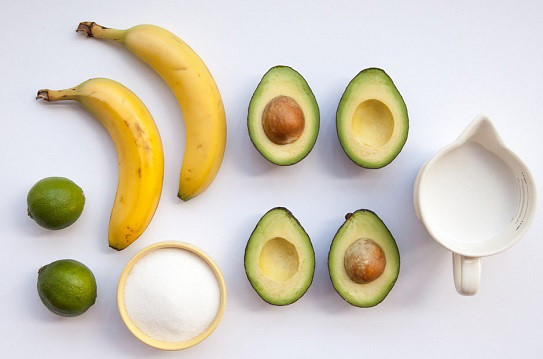
Starting your morning with banana and avocado can be a nutritious choice.
Bananas provide carbohydrates, potassium, vitamin B6, fiber, and other nutrients, while avocados provide monounsaturated fats, fiber, folate, potassium, vitamin E, vitamin K, and additional micronutrients.
Together, they can contribute to a breakfast that is satisfying and nutrient-dense.
The potential benefits include supporting adequate nutrient intake, digestive health, fullness, energy availability, and a heart-conscious dietary pattern.
But there's no need to think of the combination as a miracle food.
Eating banana and avocado every morning won't automatically detox your body, melt away fat, prevent disease, or transform your health in a few weeks.
The real advantage is much simpler: these are two nutrient-rich whole foods that can form part of a balanced breakfast.
If you combine them with a good source of protein, whole grains, and other fruits or vegetables, you're not just following a trendy food routine.
You're building a breakfast around foods that can genuinely contribute useful nutrients to your diet.
And over time, it's the consistency of your overall eating pattern - not one magical combination that matters most for long-term health.