
Still sitting with your legs crossed? Here’s why you should break that habit immediately
Think crossing your legs is harmless? The hidden risks might surprise you
Health 25/03/2026 10:16
Most gallbladder-related conditions cause intense pain in the upper right area of the abdomen that can last anywhere from a few hours to several days. While gallstones are the most common cause of gallbladder disease, they are not the only reason the gallbladder may malfunction. Inflammation, infections, blockages, or abnormal growths in the gallbladder can also lead to symptoms such as shoulder pain, chest discomfort, nausea, vomiting, and noticeable changes in bowel movements.
Experiencing a gallbladder attack is often extremely uncomfortable and distressing. The pain can become severe and interfere with daily activities. In many cases, these attacks signal the need for dietary and lifestyle changes to reduce symptoms and lower the risk of complications such as gallbladder removal (cholecystectomy). Fortunately, many people can manage gallbladder problems effectively through healthier habits and early intervention.
This article explains the most common signs and symptoms of gallbladder disease, outlines possible causes, and discusses practical steps you can take to relieve symptoms and protect your digestive health.

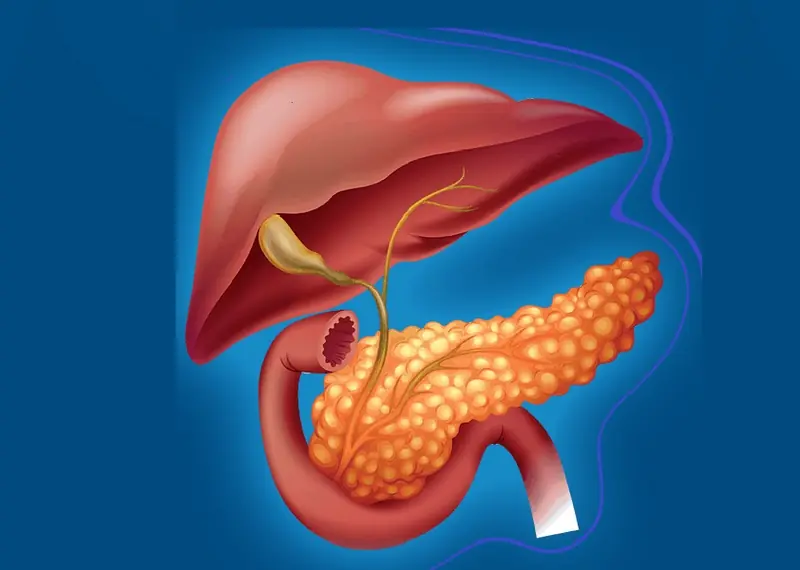
The gallbladder is a small, pear-shaped organ measuring approximately 6–10 centimeters in length. It is located beneath the liver on the right side of the upper abdomen, just under the rib cage.
According to Encyclopaedia Britannica, the gallbladder stores around 50 milliliters of bile, a digestive fluid produced by the liver. Bile contains bile salts, cholesterol, and pigments such as bilirubin. Bilirubin is responsible for the yellow color of urine and the brown color of stool, which explains why gallbladder disorders often cause noticeable changes in urine and stool appearance.
The gallbladder’s primary function is to release bile into the small intestine during digestion, especially after eating fatty foods. This bile helps break down fats so they can be absorbed efficiently. The gallbladder is part of the biliary system, which plays a crucial role in digestion and waste removal.
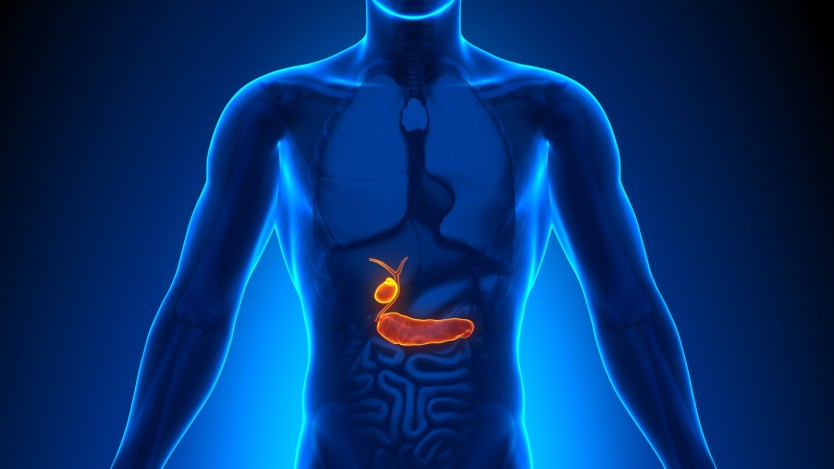
Recognizing gallbladder symptoms early can help determine whether discomfort is caused by gallstones, infection, inflammation, or another underlying condition.
Pain is the most recognizable symptom of gallbladder disease. It often begins gradually, intensifies within the first hour, and may last for hours or even days.
Upper right abdominal pain: This pain is typically felt under the ribs and is described as a deep, constant ache. It is commonly associated with gallstones, cholecystitis, or bile duct inflammation.
Right shoulder pain: Gallbladder pain often radiates to the right shoulder or the area between the shoulder blades.
Back pain: Many individuals experience pain spreading from the abdomen to the middle or upper back.
Chest pain: Gallbladder inflammation can sometimes mimic heart-related pain, causing squeezing or pressure-like discomfort in the chest.
Any combination of severe upper abdominal pain and chest discomfort should never be ignored.
Nausea and vomiting frequently accompany gallbladder pain. These symptoms occur because bile flow is disrupted, interfering with digestion. The discomfort usually does not improve after passing gas or having a bowel movement, which helps distinguish gallbladder pain from other digestive issues.
Gallbladder dysfunction can cause frequent or chronic diarrhea, particularly after eating fatty or spicy foods. Since bile helps digest fats, reduced bile release can lead to poor fat absorption, triggering loose stools. Soothing remedies such as ginger tea or herbal digestive teas may help reduce symptoms.
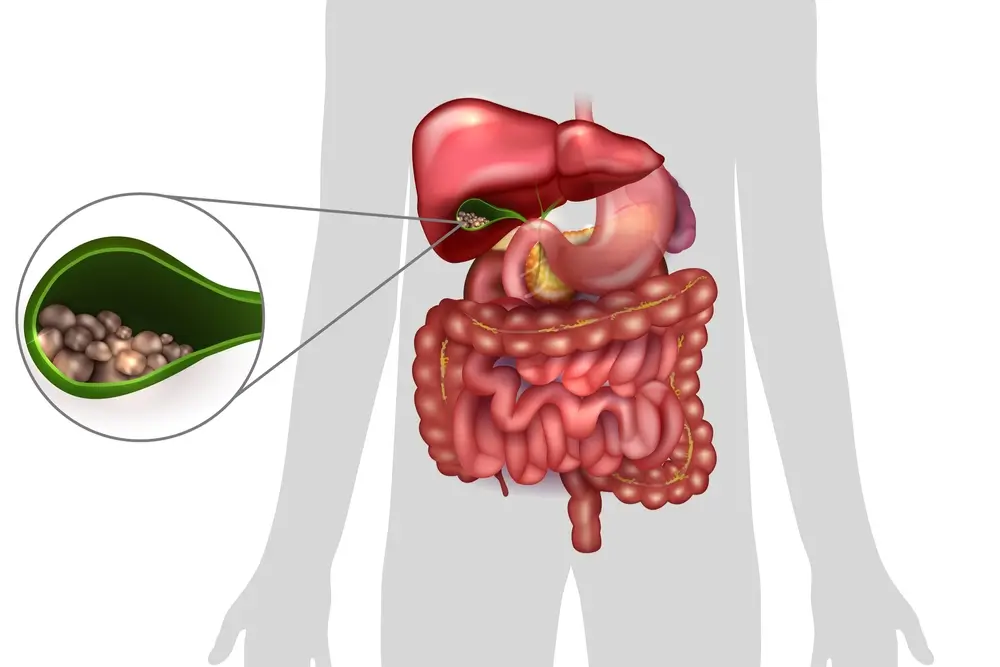
A poorly functioning gallbladder can contribute to reflux symptoms. Bile reflux occurs when bile flows backward into the stomach, causing burning pain, nausea, and vomiting. Acid reflux, on the other hand, results from excess stomach acid entering the esophagus. Both conditions are commonly reported among people with gallstones.
Blockages or inflammation in the gallbladder may cause bloating and pressure in the upper abdomen. This discomfort often occurs alongside sharp right-sided pain and may last throughout a gallbladder attack. Reducing fatty foods and managing stress can help minimize bloating episodes.
Some symptoms indicate more serious gallbladder dysfunction and require medical attention.
Blocked bile flow may result in dark urine and pale, gray, or clay-colored stools. These changes occur because bile pigments are not reaching the intestines properly.
Yellowing of the skin or the whites of the eyes can occur when bilirubin builds up in the bloodstream. This may signal a bile duct blockage or a more serious liver or gallbladder condition.
Infections often develop when bile ducts are blocked. Symptoms include severe abdominal pain, fever, chills, sweating, and weakness. Without treatment, infections can spread to the liver or pancreas and become life-threatening.
Several medical conditions can cause gallbladder symptoms:
Cholecystitis: Inflammation of the gallbladder, often caused by gallstones
Gallstones: Hardened deposits of bile that can block bile ducts
Gallbladder polyps: Small growths that may cause intermittent pain
Choledocholithiasis: Gallstones lodged in the common bile duct
Gallbladder abscess: A severe infection filled with pus
Cholangitis: Inflammation of the bile ducts
Porcelain gallbladder: Calcium buildup that hardens the gallbladder wall
Gallstone ileus: Intestinal blockage caused by gallstones
Ruptured gallbladder: A medical emergency often caused by trauma or severe inflammation
Gallbladder cancer: Rare, but possible in chronic cases
Many gallbladder symptoms can be reduced through diet and lifestyle changes.
A healthy gallbladder diet avoids fried foods, fatty meats, processed foods, pastries, and high-cholesterol meals. Instead, focus on:
Whole grains
Lean protein (fish, poultry)
Fruits and vegetables
Low-fat dairy products
Moderate coffee consumption and limited alcohol intake may also help reduce gallstone risk.
Apple cider vinegar and apple juice: May help soften gallstones and reduce pain
Peppermint: Peppermint tea or oil can soothe digestive and biliary discomfort
Vitamin C: Supports bile production and may help prevent gallstone formation
Gallbladder cleanses are popular but lack scientific evidence and may cause side effects such as nausea and diarrhea.
You should seek medical care immediately if you experience:
Sudden, severe upper right abdominal pain
Pain spreading to the back or shoulder
Fever and chills
Persistent nausea and vomiting
Pale stools or dark urine
Yellowing of the skin or eyes
Early diagnosis and treatment can prevent serious complications and improve long-term outcomes.
Think crossing your legs is harmless? The hidden risks might surprise you
10 signs your kidneys may not be functioning properly - see a doctor soon
Daily cashews: a healthy habit or something more unexpected?
Stop throwing this away—it’s more valuable than you think
If you get this, you are infected with ….
Hidden dangers in your everyday beverages
This common medical test makes many people hesitate
Ignoring this could lead to severe complications
Common habits that could lead to hidden infections

Severe pain reveals shocking cause: milk tea pearls buildup
Warning Signs of Stroke May Appear Up to 90 Days Before It Occurs
He Ignored the Itching—Here’s What Doctors Discovered

Men and Women: 3 Urine Symptoms That Require Immediate Medical Attention
Think All Veggies Are Safe? Here’s Who Should Limit Cucumbers
5 early warning signs of cancer you should never ignore
From weed to superfood: this wild plant is now highly valued
3 neck signs may warn of cancer—don’t ignore early symptoms
Heel Pain When You Wake Up? Here’s What’s Really Happening to Your Body
Most cases of stomach can:cer are detected too late. Watch for these 5 after
Think crossing your legs is harmless? The hidden risks might surprise you
10 signs your kidneys may not be functioning properly - see a doctor soon
Daily cashews: a healthy habit or something more unexpected?

A Zebra Without Stripes? Unusual Sighting in South Africa Goes Viral
You won’t believe what eating corn every day can do to your health…
Stop throwing this away—it’s more valuable than you think
If you get this, you are infected with ….
Add this to coffee to help slow aging and reduce wrinkles
Hidden dangers in your everyday beverages
This common medical test makes many people hesitate
Quick trick to thaw frozen meat in just 5 minutes at home
Ignoring this could lead to severe complications

Not just jewelry—this might describe you perfectly
Common habits that could lead to hidden infections
Severe pain reveals shocking cause: milk tea pearls buildup
Warning Signs of Stroke May Appear Up to 90 Days Before It Occurs

Itching in 9 Areas of the Body? It Could Signal a Serious Illness
He Ignored the Itching—Here’s What Doctors Discovered
Men and Women: 3 Urine Symptoms That Require Immediate Medical Attention