9 Silent Signs of a Brain Blood Clot That May Appear Weeks Before a Stroke
Most people think strokes happen suddenly — no warning, no time to react. But in many cases, the body actually sends out subtle signals days or even weeks in advance. The problem? These signs are often mild, temporary, or easy to ignore.
A brain blood clot (often linked to ischemic stroke or transient ischemic attack – TIA) can quietly disrupt blood flow before a major event occurs.
Understanding these early indicators can literally be life-saving.
What Is a Brain Blood Clot?


A brain blood clot forms when:
- Blood thickens and clumps
- A clot blocks or narrows an artery supplying the brain
- Oxygen supply is reduced or cut off
This can lead to a stroke if not resolved in time.
1. Sudden Numbness or Weakness (Especially One Side)
One of the most classic early signs:
- Tingling or numbness in face, arm, or leg
- Usually affects one side of the body
- May come and go
Even if it disappears quickly, don’t ignore it — it could be a mini-stroke (TIA).
2. Brief Vision Problems

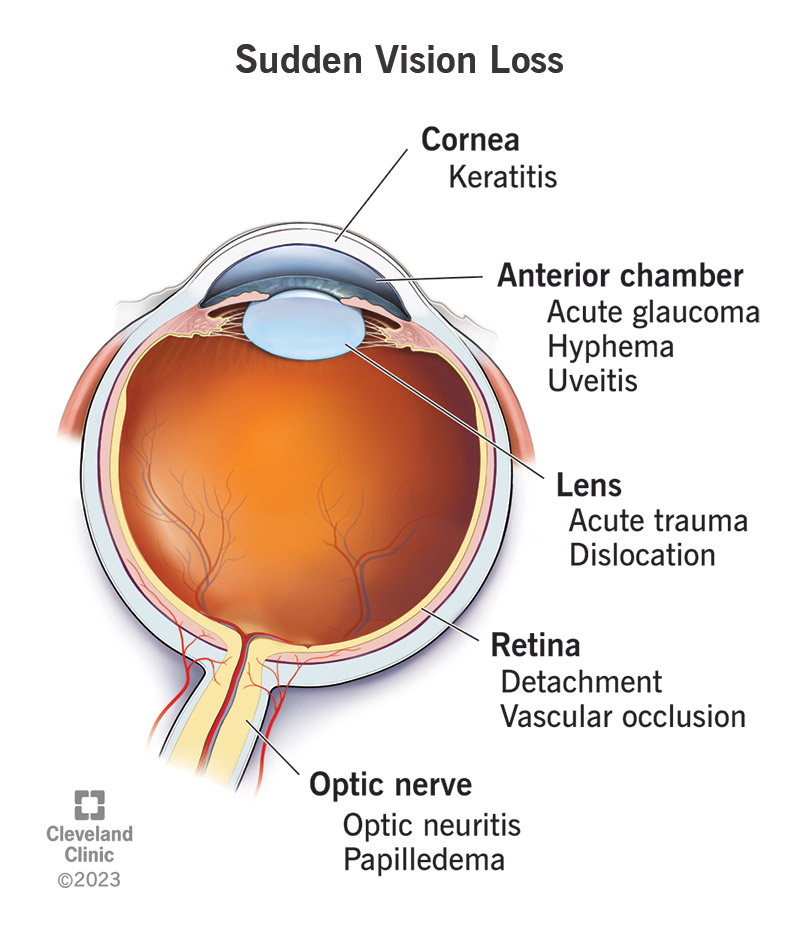

Watch for:
- Blurred or double vision
- Sudden loss of vision in one eye
- “Curtain” effect over your sight
These episodes may last minutes but signal impaired blood flow to the brain or eyes.
3. Sudden Severe Headache
A headache that feels:
- Intense and unusual
- Different from past headaches
- Comes out of nowhere
This can indicate vascular pressure or blockage.
4. Difficulty Speaking or Understanding
You may notice:
- Slurred speech
- Trouble forming words
- Confusion in simple conversations
Even brief episodes are red flags for brain circulation issues.
5. Dizziness and Loss of Balance

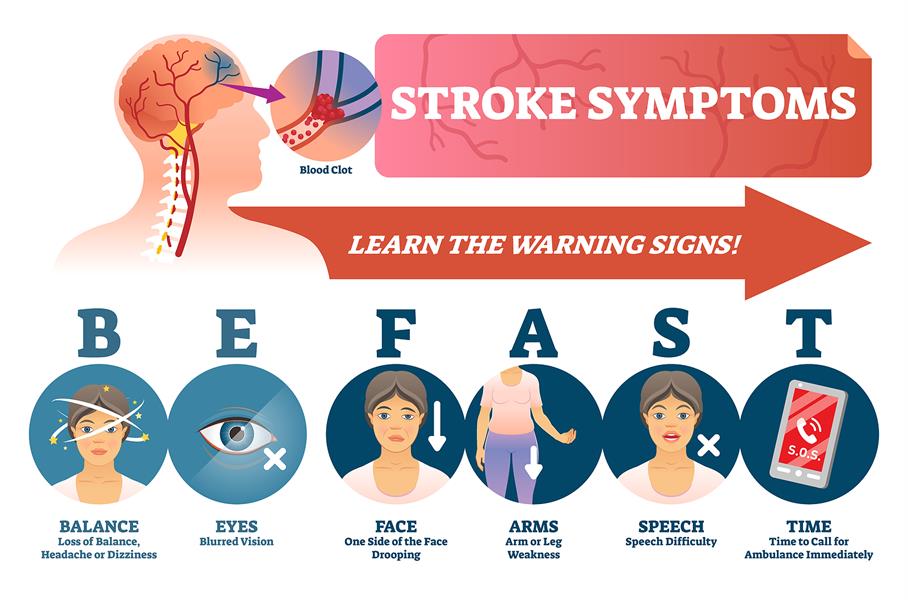

Symptoms include:
- Sudden dizziness
- Trouble walking straight
- Loss of coordination
Often mistaken for fatigue or low blood pressure — but can be neurological.
6. Unexplained Fatigue
Extreme tiredness without clear reason:
- Sudden onset
- Not improved by rest
- Feeling mentally “foggy”
This may reflect reduced oxygen supply to the brain.
7. Temporary Paralysis or Weak Grip


You might notice:
- Dropping objects
- Weak grip strength
- Difficulty lifting one arm
These episodes may last minutes but are critical warning signs.
8. Facial Drooping
Look in the mirror:
- One side of the face may droop
- Smile appears uneven
- Eye or mouth slightly sagging
This is a classic early stroke indicator.
9. Sudden Confusion or Memory Issues
Cognitive symptoms can include:
- Forgetting simple things
- Trouble concentrating
- Feeling disoriented
These subtle changes are often dismissed — but shouldn’t be.
Why These Signs Are “Silent”
Because they:
- Appear briefly
- Disappear on their own
- Don’t seem severe at first
This is often a Transient Ischemic Attack (TIA) — a temporary blockage that resolves but signals a high risk of a future stroke.
Who Is at Higher Risk?
Be extra cautious if you have:
- High blood pressure
- Diabetes
- High cholesterol
- Smoking habits
- Sedentary lifestyle
- Stress or obesity
What To Do If You Notice These Signs
Don’t wait.
Even if symptoms disappear:
- Seek medical attention immediately
- Get brain imaging if needed
- Check blood pressure and cholesterol
Time = brain cells.
Final Takeaway
A stroke rarely comes out of nowhere.
Your body often sends warnings — you just need to recognize them.
Numbness, vision issues, dizziness, confusion — even if temporary — can be early signs of a brain blood clot.
Ignoring them could cost you everything.
Acting on them could save your life.