Many People Are Unaware: Heart Blockage Warning Signs Can Appear in Your Feet and Legs — Especially at Night
Cardiovascular disease remains one of the leading causes of death worldwide, yet many early warning signs go unnoticed. Most people associate heart problems with chest pain, shortness of breath, or fatigue. However, what often flies under the radar is that your feet and legs can quietly signal serious issues like arterial blockage long before a heart attack occurs.
Understanding these subtle signs could literally save lives.
What Is a Heart Blockage?
A heart blockage typically refers to atherosclerosis, a condition where fatty deposits (plaque) build up inside the arteries. Over time, these plaques harden and narrow the arteries, restricting blood flow.
When this happens in the coronary arteries, it can lead to heart attacks. But when it affects peripheral arteries—especially in the legs—it’s called Peripheral Artery Disease (PAD).
And here’s the key insight:
PAD often shows symptoms in the legs and feet before any chest pain appears.
Why Do Symptoms Show Up in the Legs and Feet?
Your legs and feet are the farthest points from your heart. When blood circulation is compromised:
- Oxygen supply drops
- Nutrients don’t reach tissues efficiently
- Waste products accumulate
At night, when you lie down, circulation patterns change. This can make symptoms more noticeable, especially in the lower limbs.
1. Nighttime Leg Pain or Cramping


One of the most common yet overlooked signs is leg pain that worsens at night.
This isn’t your typical muscle cramp from exercise. Instead, it may feel like:
- Deep aching or throbbing
- Burning sensation in calves or feet
- Pain that improves when you hang your legs off the bed
Why does this happen?
Because gravity helps blood flow downward when legs are lowered, temporarily relieving the lack of circulation.
2. Cold Feet and Toes
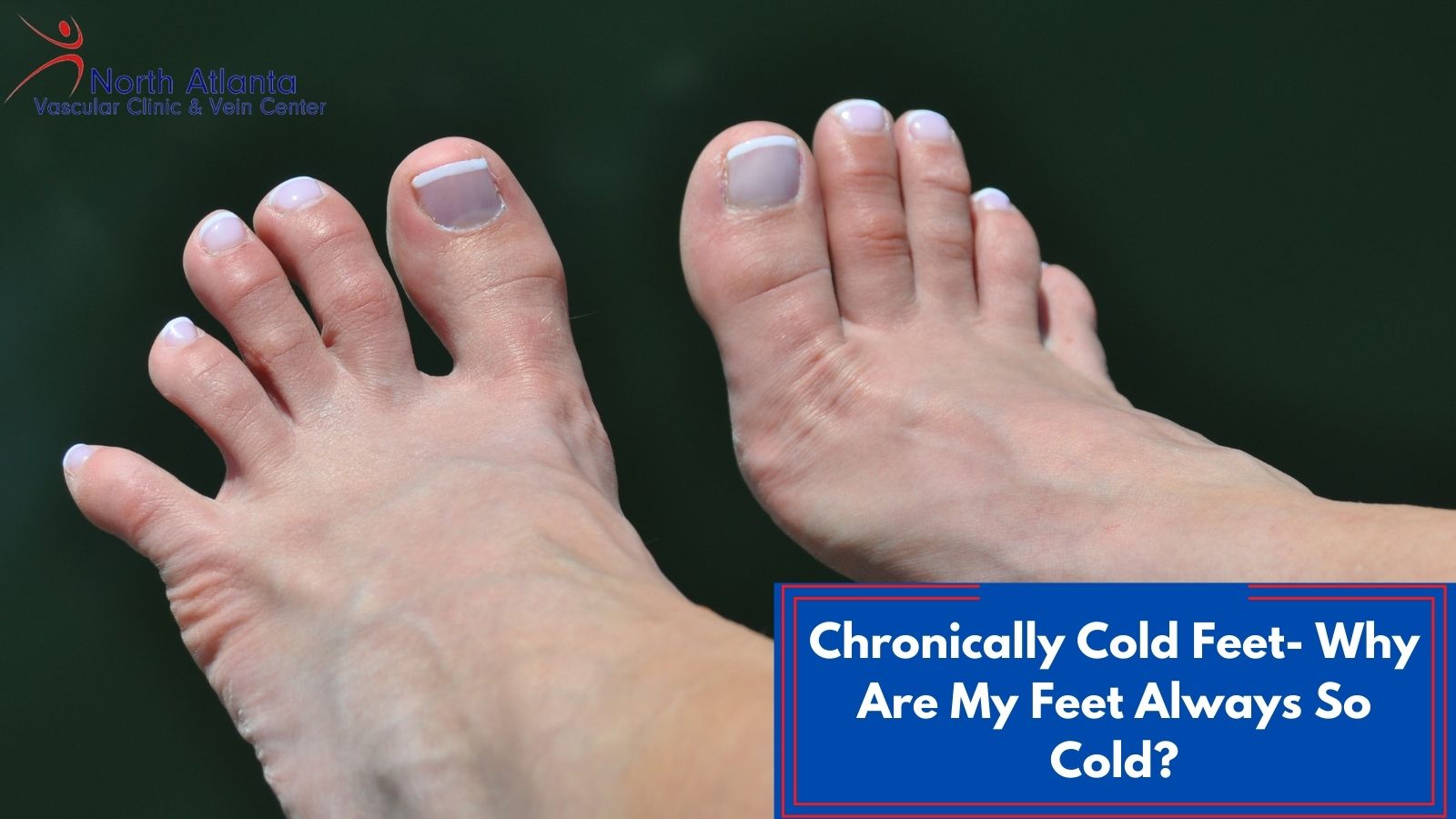

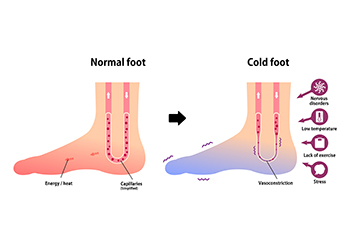
If your feet often feel cold—even in warm environments, this could be a circulation issue.
Key signs include:
- One foot colder than the other
- Pale or bluish skin tone
- Slow warming after being covered
This occurs because narrowed arteries limit warm, oxygen-rich blood from reaching extremities.
3. Numbness or Tingling Sensation

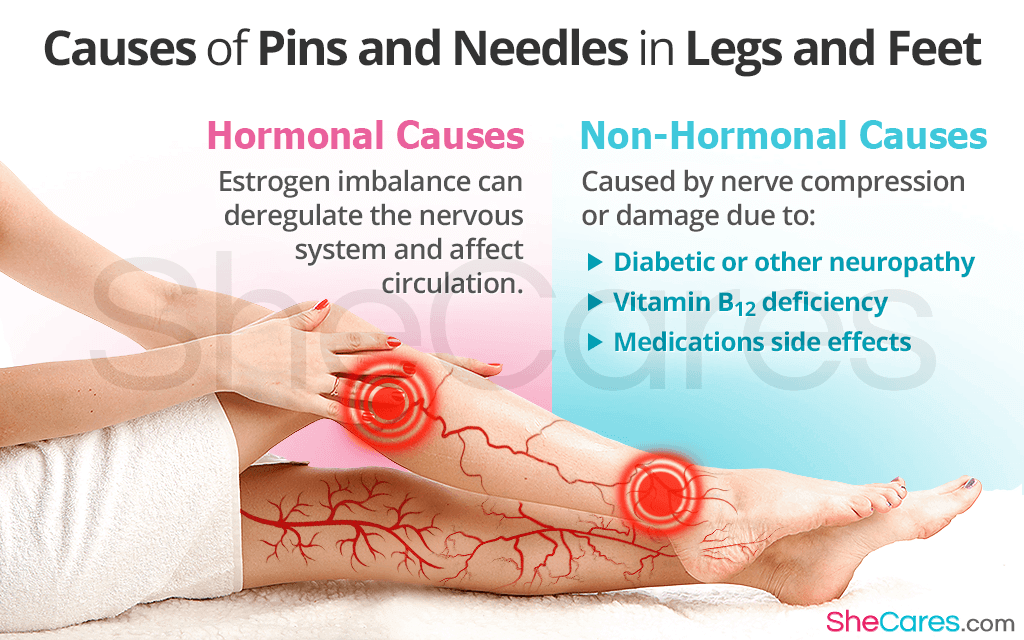

A persistent pins-and-needles feeling in your feet can indicate reduced blood supply.
Unlike temporary numbness from sitting awkwardly, this type:
- Happens frequently, especially at night
- May worsen when lying down
- Can be accompanied by weakness
This symptom is often mistaken for nerve issues, but circulatory problems are a major underlying cause.
4. Slow-Healing Wounds or Sores
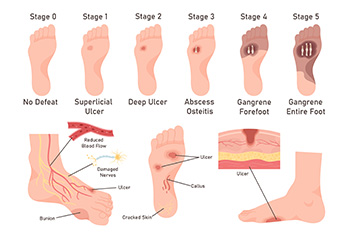

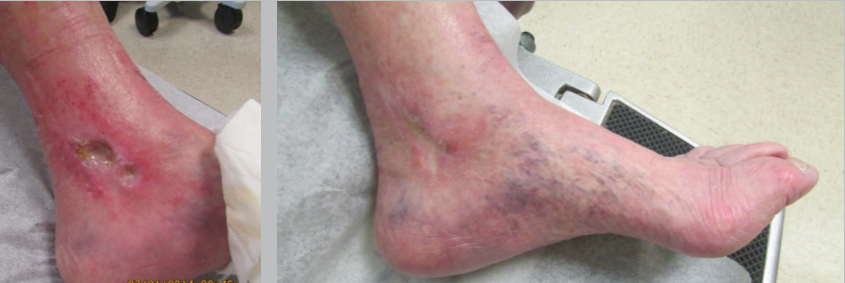
Notice a cut or blister on your foot taking forever to heal?
This is a serious red flag.
Healthy blood flow is essential for healing. When circulation is poor:
- Oxygen delivery is reduced
- Immune response weakens
- Tissue repair slows down
In severe cases, this can lead to infections or even tissue death.
5. Hair Loss and Shiny Skin on Legs
This one sounds surprising, but it’s clinically significant.
Reduced blood flow can cause:
- Loss of hair on legs and feet
- Smooth, shiny skin texture
- Weak or brittle toenails
These changes happen because hair follicles and skin cells aren’t receiving enough nutrients.
6. Weak or Absent Pulse in Feet
Doctors often check pulses in the feet to assess circulation.
If you experience:
- Difficulty feeling a pulse in your foot
- Weak pulse compared to normal
- Cold skin combined with pulse changes
It may indicate advanced arterial blockage.
Why Nighttime Symptoms Matter Most
At night, your body is in a horizontal position, which:
- Alters blood distribution
- Reduces gravitational assistance for circulation
- Can intensify ischemic pain (lack of oxygen)
This is why many people report worsening symptoms after going to bed.
Who Is at Higher Risk?
You should be especially alert if you:
- Smoke
- Have diabetes
- Have high blood pressure
- Have high cholesterol
- Are over 50 years old
- Lead a sedentary lifestyle
These factors significantly increase the risk of arterial blockage.
When Should You See a Doctor?
Don’t ignore persistent symptoms. Seek medical attention if you notice:
- Leg pain that disrupts sleep
- Non-healing wounds on feet
- Sudden color changes in toes
- Increasing numbness or weakness
Early diagnosis can prevent severe complications like heart attack, stroke, or limb damage.
Prevention: How to Protect Your Circulation
Here’s how to stay ahead of the problem:
- Exercise regularly: Walking improves blood flow
- Eat heart-healthy foods: Focus on fiber, healthy fats, and low sugar
- Quit smoking: One of the biggest risk factors
- Control blood sugar and cholesterol
- Stay hydrated
Even small lifestyle changes can significantly reduce risk.
Final Takeaway
Your body often whispers before it screams.
Foot and leg symptoms—especially at night—are not random discomforts. They can be early warning signs of serious heart and circulation issues.
Ignoring them might delay critical diagnosis. Listening to them could save your life.
So next time your legs ache at night or your feet feel unusually cold, don’t brush it off.
It might be your heart asking for attention.