8 Early Indicators of Kidney Failure You Should Be Aware Of
Kidneys don’t usually “scream” when something’s wrong — they whisper. And that’s exactly why kidney disease is so dangerous: symptoms often appear late, subtle, and easy to ignore. By the time most people notice something serious, kidney function may already be significantly reduced.
But here’s the catch:
your body actually gives early warning signs — especially through fluid retention, skin changes, and daily habits. You just need to know what to look for.
1. Swelling in Legs, Ankles, and Feet (Edema)

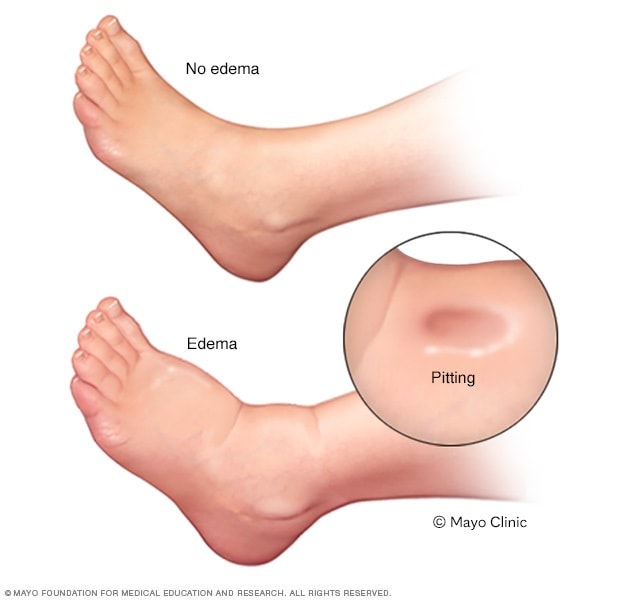

One of the most recognizable early signs is swelling — especially when pressing the skin leaves a dent (called pitting edema).
Why it happens:
- Kidneys fail to remove excess sodium and fluid
- Fluid builds up in tissues
- Gravity pulls it downward → legs and feet swell
If socks leave deep marks or shoes suddenly feel tight, don’t ignore it.
2. Changes in Urination Patterns

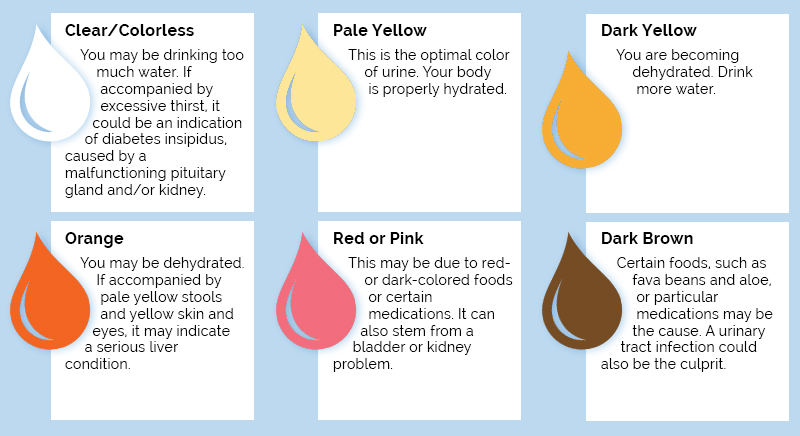

Your urine is basically a daily “report” from your kidneys.
Watch out for:
- Foamy urine → protein leakage
- Dark or bloody urine
- Frequent urination at night (nocturia)
- Reduced urine output
These changes often show up early, but many people dismiss them as normal.
3. Persistent Fatigue and Weakness



Feeling tired all the time — even after rest?
Kidneys produce a hormone called erythropoietin, which helps create red blood cells. When kidney function drops:
- Fewer red blood cells → anemia
- Less oxygen in the body → constant fatigue
This isn’t just “being tired” — it’s deep, persistent exhaustion.
4. Skin Itching and Dryness
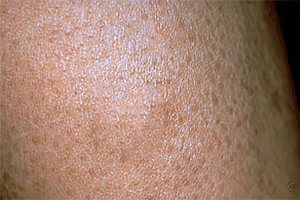
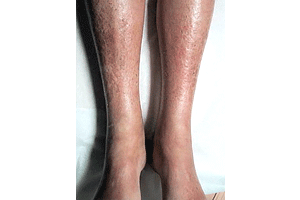

Unexplained itching? That’s not always a skin problem.
When kidneys can’t filter waste properly:
- Toxins build up in the bloodstream
- Skin becomes dry, irritated, and itchy
This symptom is often overlooked but strongly linked to toxin accumulation.
5. Shortness of Breath
This one can feel scary — and it should not be ignored.
It may happen because:
- Fluid builds up in the lungs
- Anemia reduces oxygen delivery
You might notice:
- Difficulty breathing when lying down
- Getting tired quickly when walking
This is a sign the body is struggling to maintain balance.
6. Metallic Taste and Loss of Appetite
Food suddenly tastes “off”? Or no appetite at all?
Kidney dysfunction can cause:
- A metallic taste in the mouth
- Bad breath (uremic odor)
- Nausea and reduced hunger
This happens due to waste buildup affecting the digestive system.
7. Muscle Cramps and Twitching
Frequent cramps — especially at night — can be linked to:
- Electrolyte imbalances (low calcium, high phosphorus)
- Poor kidney regulation
These cramps are often painful and persistent, not just random muscle fatigue.
8. Puffiness Around the Eyes
Early kidney issues can show up in the face.
Signs include:
- Swollen eyelids in the morning
- Puffy appearance around the eyes
- Gradual worsening over time
This is often due to protein loss in urine, leading to fluid imbalance.
Why Early Detection Matters
Kidney disease progresses silently. By the time symptoms become severe:
- Kidney function may drop below 60%
- Damage may be irreversible
But here’s the good news:
early-stage kidney disease can be managed — even slowed down significantly — if detected in time.
Who Is at Higher Risk?
You should be extra cautious if you:
- Have diabetes
- Have high blood pressure
- Are overweight
- Have a family history of kidney disease
- Use painkillers frequently
These factors increase strain on the kidneys over time.
How to Protect Your Kidneys
Keep it simple but consistent:
- Drink enough water (but not excessive)
- Reduce salt intake
- Control blood sugar and blood pressure
- Avoid overuse of medications (especially NSAIDs)
- Exercise regularly
Small habits = long-term protection.
Final Takeaway
Kidney failure doesn’t happen overnight.
It develops quietly — symptom by symptom.
Swelling, fatigue, itchy skin, changes in urination — these are not random issues. They’re signals.
Ignoring them is risky.
Understanding them is power.
If multiple signs show up together, don’t wait.
Getting checked early could make all the difference.