The kidneys work quietly every day, filtering waste from the blood, helping regulate fluid levels, balancing minerals, and contributing to healthy blood pressure. Because they perform these jobs continuously, what we eat and drink can influence how much work they have to do.
That does not mean a particular food will suddenly "destroy" your kidneys. For most healthy people, an occasional serving of salty or processed food is unlikely to cause kidney failure.
The bigger concern is a long-term dietary pattern that is consistently high in sodium, added sugars, unhealthy fats, or excessive protein - especially in people who already have high blood pressure, diabetes, kidney disease, or a history of kidney stones.
Here are six popular foods that are worth eating in moderation.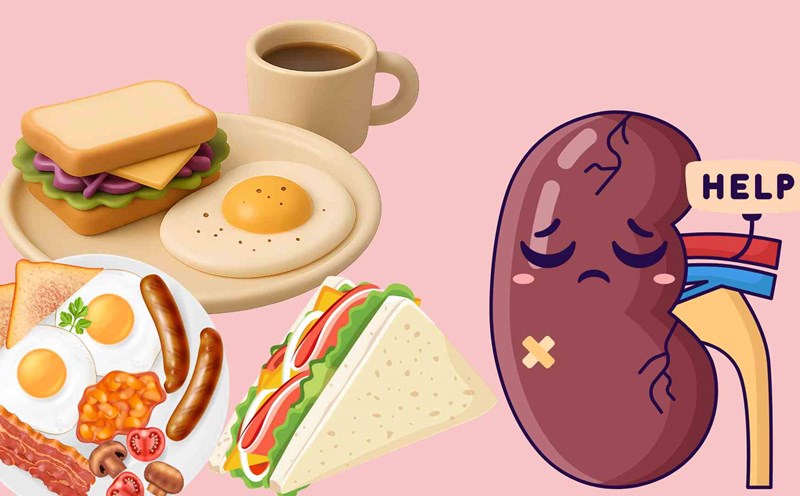
1. Processed Meats
Bacon, sausages, ham, hot dogs, salami, and other processed meats are popular because they are convenient, flavorful, and easy to add to meals.
The problem is that many processed meats contain large amounts of sodium.
Excess sodium can contribute to high blood pressure, and persistent hypertension is one of the major risk factors for chronic kidney disease.
Processed meats may also contain preservatives such as phosphate additives. For people with reduced kidney function, excess phosphorus can become particularly problematic because damaged kidneys may have difficulty removing it from the bloodstream.
This doesn't mean you can never eat bacon or sausage.
The more important question is how often and how much.
Instead of making processed meat a daily staple, consider alternatives such as:
-
Fresh chicken
-
Fish
-
Eggs
-
Beans
-
Lentils
-
Tofu
These options can provide protein without the same level of processing and sodium found in many cured meats.
2. Instant Noodles
Instant noodles are inexpensive, convenient, and extremely popular.
But the seasoning packets can contain a surprisingly large amount of sodium.
Eating a high-sodium meal occasionally isn't likely to damage healthy kidneys. The concern is when instant noodles become a frequent part of the diet.
Regularly consuming large amounts of sodium can contribute to elevated blood pressure, which over time can place additional stress on the kidneys.
Instant noodles may also be relatively low in fiber and other nutrients compared with a balanced meal.
If you enjoy them, there are ways to make them more nutritious.
Try using only part of the seasoning packet and adding:
-
Fresh vegetables
-
Eggs
-
Tofu
-
Chicken
-
Mushrooms
You can also choose lower-sodium versions when available.
The goal isn't necessarily to eliminate noodles. It's to reduce the sodium burden and improve the overall nutritional quality of the meal.
3. Salty Snacks
Chips, crackers, salted nuts, packaged snack mixes, and similar foods can make it surprisingly easy to consume large amounts of sodium.
The problem is partly psychological: these foods are easy to eat quickly and often come in large packages.
A person may consume several servings without realizing how much sodium they have eaten.
High sodium intake can increase blood pressure and cause the body to retain more fluid.
For people with chronic kidney disease, sodium restriction is often particularly important because impaired kidneys may have more difficulty maintaining fluid and electrolyte balance.
Instead of eating salty snacks every day, consider:
-
Unsalted nuts
-
Fresh fruit
-
Plain yogurt
-
Air-popped popcorn with little salt
-
Fresh vegetables
-
Homemade snacks with controlled seasoning
Reading the nutrition label can also make a major difference.
Look at the sodium per serving, and remember to check how many servings are actually contained in the package.
4. Sugary Soft Drinks
Soft drinks may not seem like a kidney-related food, but regularly consuming large amounts of sugar-sweetened beverages can contribute to several conditions that affect kidney health.
Drinking a sugary beverage occasionally is very different from consuming several cans every day.
Regular high intake of sugar-sweetened drinks can contribute to:
-
Weight gain
-
Insulin resistance
-
Type 2 diabetes
-
Metabolic problems
Diabetes is one of the leading causes of chronic kidney disease.
Some soft drinks also contain phosphoric acid or other additives, although the overall dietary pattern matters more than any single ingredient.
For everyday hydration, water is usually the simplest choice.
Unsweetened tea or sparkling water can also be alternatives if plain water feels boring.
If you currently drink several sugary beverages a day, reducing the amount gradually can be easier than trying to eliminate them overnight.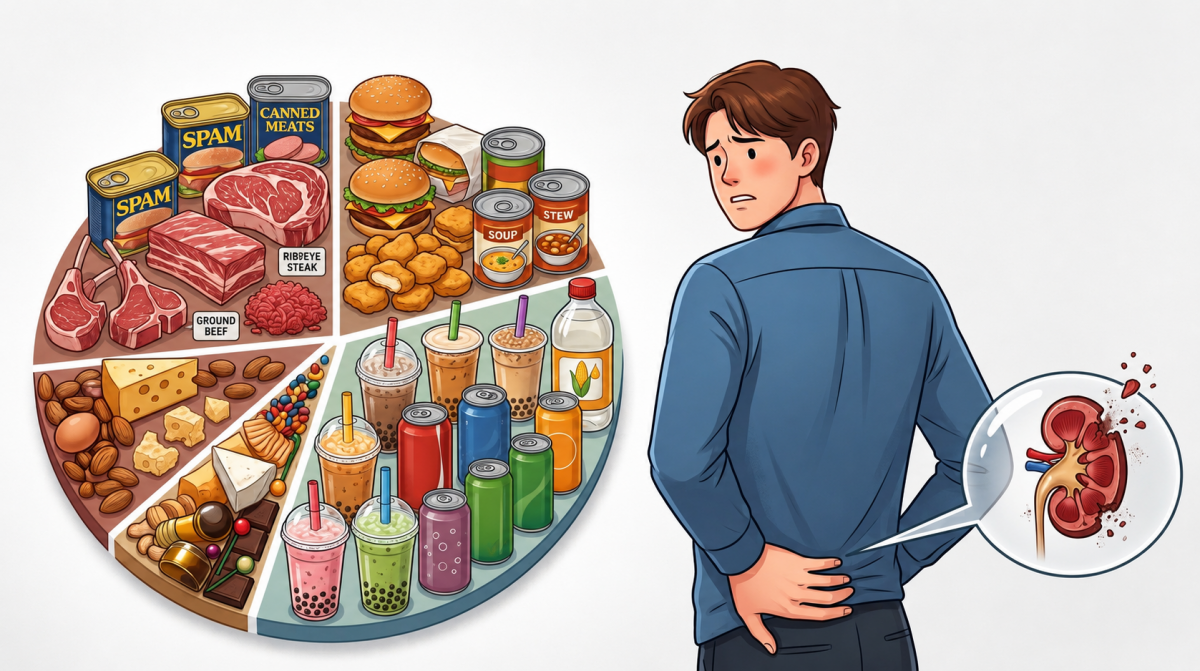
5. Fast Food and Fried Foods
Burgers, fried chicken, french fries, pizza, and other fast foods can be delicious and convenient.
But frequent consumption can create a combination of problems:
High sodium.
High calories.
Large amounts of saturated fat.
Refined carbohydrates.
Large portion sizes.
Eating these foods frequently can contribute to weight gain, high blood pressure, and metabolic disease—all of which can increase the risk of kidney problems over time.
For someone with existing kidney disease, restaurant and fast-food meals can be particularly challenging because it is often difficult to know exactly how much sodium and phosphorus they contain.
You don't necessarily need to eliminate your favorite burger or fried chicken.
Instead, make them occasional foods rather than everyday foods.
When possible, choose smaller portions, add vegetables, and avoid combining multiple high-sodium items in the same meal.
6. Highly Processed Convenience Foods
The final category is broader but extremely important.
Frozen meals, packaged soups, canned foods with added salt, processed sauces, ready-to-eat meals, and other convenience foods can contain substantial amounts of sodium.
Some also contain phosphate additives, which can be especially relevant for people with reduced kidney function.
The issue isn't that every packaged food is unhealthy.
Modern food processing includes many nutritious options.
For example, frozen vegetables without added sauces can be extremely nutritious and convenient.
The key is to distinguish between minimally processed foods and heavily processed products loaded with sodium, added sugars, and additives.
Reading ingredient lists and nutrition labels can help.
Why Sodium Matters So Much
When discussing kidney health, sodium deserves special attention.
The kidneys help regulate sodium levels in the body.
When sodium intake is consistently high, the body may retain more fluid, and blood pressure can rise.
Over time, uncontrolled high blood pressure can damage the small blood vessels inside the kidneys.
This can create a harmful cycle:
High sodium intake → higher blood pressure → kidney damage → reduced kidney function → greater difficulty regulating fluid and sodium.
That's why reducing excessive sodium is particularly important for people who already have hypertension or kidney disease.
The Hidden Sodium Problem
Many people think the main source of sodium is the salt shaker.
In reality, a substantial amount of sodium in many diets comes from processed and restaurant foods.
Sauces, seasoning mixes, cured meats, instant noodles, canned foods, packaged snacks, and fast food can all contribute significant amounts.
A meal may not taste extraordinarily salty and still contain a lot of sodium.
This is why nutrition labels are useful.
Look for the sodium amount per serving and consider how many servings you actually eat.
What About Protein?
Protein itself does not "destroy" healthy kidneys.
Your body needs protein to build and maintain muscle, tissues, enzymes, and hormones.
However, people with certain types of chronic kidney disease may need to adjust their protein intake under medical guidance.
Very high-protein diets can increase the kidneys' filtration workload, and dietary recommendations differ depending on kidney function, age, nutritional status, and other health conditions.
If you have diagnosed kidney disease, don't dramatically increase or decrease protein intake without discussing it with your healthcare professional or a registered dietitian.
Kidney Stones Are a Different Issue
Kidney stones require a slightly different nutritional approach.
Depending on the type of stone, doctors may recommend adjustments involving:
-
Fluid intake
-
Sodium
-
Animal protein
-
Calcium
-
Oxalate-rich foods
There is no single "kidney stone diet" that works for everyone because stone composition matters.
For many people prone to kidney stones, staying adequately hydrated is one of the most important preventive measures.
Anyone with recurrent stones should discuss dietary prevention with a healthcare professional.
Foods That Support Kidney Health
Avoiding excessive amounts of certain foods is only half the story.
A kidney-friendly eating pattern can include plenty of:
Fresh vegetables
Whole fruits
Whole grains, when appropriate
Beans and lentils
Fish
Eggs
Unsalted nuts in appropriate portions
Fresh poultry
Healthy fats such as olive oil
For people with normal kidney function, there is generally no reason to unnecessarily restrict potassium, phosphorus, or protein simply because someone online says they are "bad for the kidneys."
Those nutrients become more complicated when kidney function is impaired.
Water Is Still Important
Hydration is another fundamental part of kidney health.
The kidneys need adequate fluid to perform their filtration functions.
However, more water is not always better.
People with advanced kidney disease, heart failure, or certain other medical conditions may be instructed to restrict fluid intake.
For otherwise healthy adults, drinking according to thirst and maintaining normal hydration is generally reasonable.
If you exercise heavily, spend a lot of time in hot weather, or sweat significantly, fluid needs may increase.
Who Needs to Be More Careful?
The impact of diet can be particularly important for people with:
-
Chronic kidney disease
-
High blood pressure
-
Diabetes
-
Recurrent kidney stones
-
Heart failure
-
A history of kidney problems
If you have one of these conditions, your ideal sodium, protein, potassium, phosphorus, and fluid intake may differ from someone with normal kidney function.
A personalized plan is much better than following generic restrictions from social media.
Warning Signs of Kidney Problems
Kidney disease can develop silently, especially in its early stages.
That's why people at higher risk should consider appropriate medical testing.
Possible signs of more advanced kidney problems can include:
-
Persistent swelling in the legs or ankles
-
Changes in urination
-
Blood in the urine
-
Persistent fatigue
-
Nausea
-
Loss of appetite
-
Difficulty concentrating
-
Persistent itching
-
Shortness of breath
These symptoms can have many causes and do not automatically mean kidney disease.
But persistent or unexplained changes should be evaluated by a healthcare professional.
Simple Changes Can Make a Big Difference
You don't have to completely transform your diet overnight.
Start with small changes.
Instead of instant noodles several times a week, make them an occasional meal.
Instead of processed meat every morning, rotate in eggs, beans, or fresh protein sources.
Instead of drinking soda with every meal, switch some servings to water or unsweetened beverages.
Instead of eating directly from a large bag of chips, portion out a small serving.
Instead of relying on packaged sauces, try herbs, garlic, lemon, or other lower-sodium seasonings.
These changes may seem small, but they can significantly reduce your long-term intake of sodium, added sugar, and highly processed ingredients.
Don't Fear Food—Focus on Patterns
It's easy for health headlines to make individual foods sound dangerous.
But kidney health is rarely determined by one meal.
Eating a bowl of instant noodles once in a while does not mean you have damaged your kidneys.
Likewise, eating a salad occasionally does not guarantee perfect kidney health.
What matters much more is what you consistently eat over months and years.
A dietary pattern that regularly contains excessive sodium, sugary drinks, processed meats, and highly processed foods can contribute to conditions that increase kidney risk.
A balanced diet, regular exercise, healthy blood pressure, good blood sugar control, adequate hydration, and avoidance of smoking can provide much stronger protection.
The Bottom Line
Six foods and food categories deserve particular moderation when kidney health is a concern:
Processed meats, instant noodles, salty snacks, sugary soft drinks, fast and fried foods, and heavily processed convenience foods.
The main issue is not that these foods instantly damage the kidneys.
Rather, eating them too frequently and in large amounts can contribute to high sodium intake, excess calories, obesity, high blood pressure, diabetes, and other conditions associated with chronic kidney disease.
For most people, the goal isn't complete restriction.
It's balance.
Choose fresh and minimally processed foods more often, keep highly salty and sugary foods as occasional choices, stay appropriately hydrated, and pay attention to blood pressure and blood sugar.
And if you already have kidney disease, don't rely on generic food lists. Your dietary needs should be based on your kidney function, medications, laboratory results, and medical advice.
Your kidneys work every day without asking for much attention.
One of the simplest ways to support them is to make the foods you eat most often the foods that support your health—not the ones that simply taste good for a few minutes.