Swollen Feet? Here’s What Your Body Might Be Trying to Tell You
Swollen feet and ankles are a common problem that many people experience from time to time. In some cases, the swelling is temporary and harmless — often caused by standing too long, hot weather, or minor injuries. However, persistent or severe swelling can sometimes signal an underlying health issue that should not be ignored.
Medical experts refer to this swelling as “edema,” which happens when excess fluid builds up in the tissues.
Here are some possible reasons why your feet may become swollen and what your body could be trying to tell you.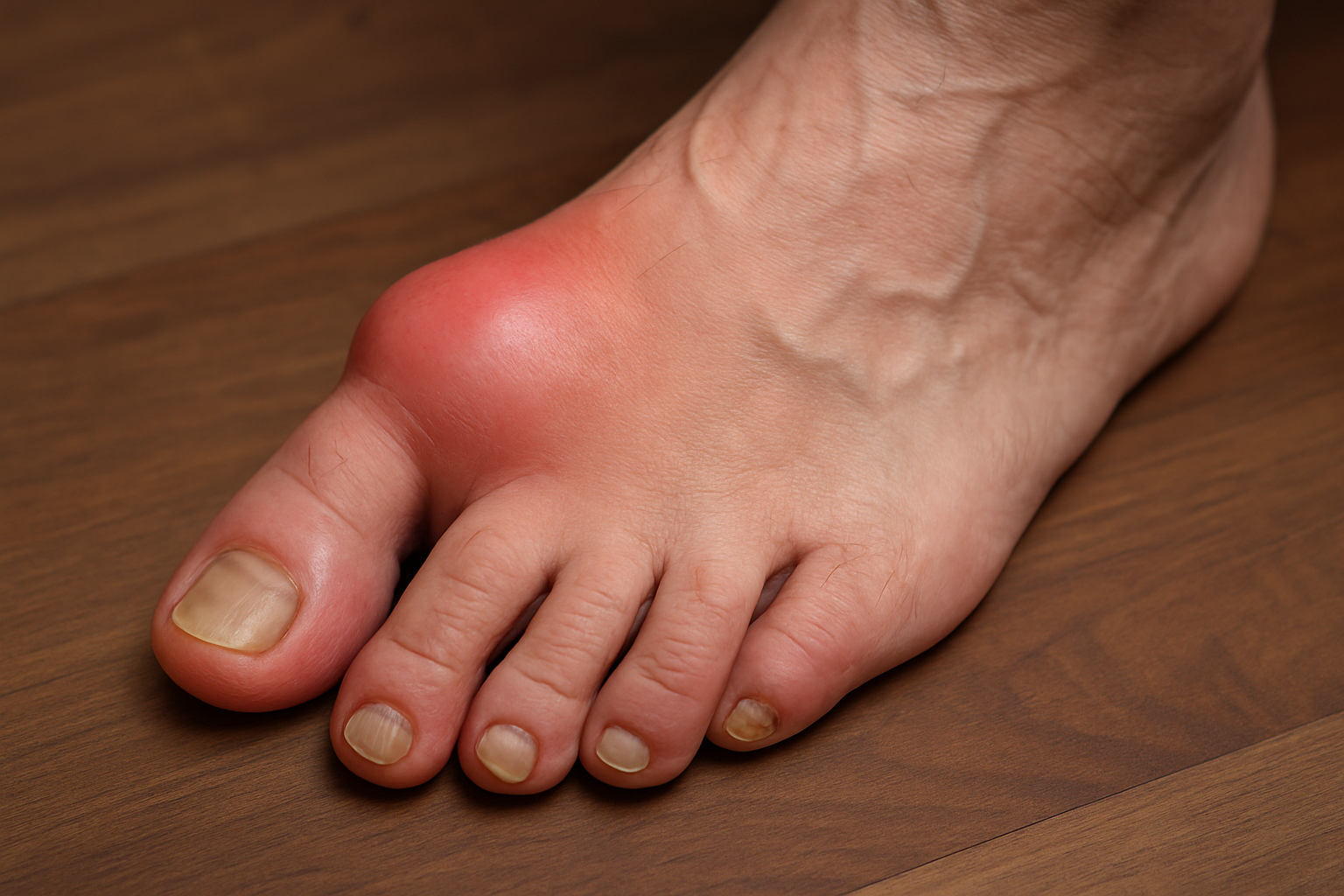
1. Standing or Sitting for Too Long
One of the most common causes of swollen feet is remaining in the same position for long periods.
This often happens:
- During long flights or car rides
- After standing all day
- While sitting at a desk for hours
Gravity causes fluid to collect in the lower legs and feet, especially when circulation slows down.
The Mayo Clinic notes that mild swelling in the legs and feet is often temporary and improves with movement and elevation.
2. Too Much Salt in the Diet
Eating large amounts of sodium can cause the body to retain extra fluid.
Common high-sodium foods include:
- Processed snacks
- Fast food
- Canned soups
- Processed meats
Excess salt may contribute to puffiness and swelling, especially in the feet and ankles.
Drinking enough water and reducing sodium intake may help some people manage mild fluid retention.
3. Poor Circulation
Swollen feet may sometimes be linked to circulation problems.
When blood flow in the veins becomes less efficient, fluid can leak into surrounding tissues.
Possible signs of circulation problems include:
- Heavy legs
- Aching
- Varicose veins
- Skin discoloration
According to the Cleveland Clinic, chronic venous insufficiency is a common condition that can cause swelling in the lower legs and feet.
4. Heart Problems
In some cases, swelling in the feet or ankles may be associated with heart conditions.
When the heart does not pump blood effectively, fluid may build up in the body, particularly in the lower extremities.
Warning signs that may require medical attention include:
- Shortness of breath
- Chest discomfort
- Fatigue
- Rapid swelling
The American Heart Association explains that fluid buildup in the legs and feet can sometimes occur in people with heart failure.
5. Kidney or Liver Issues

The kidneys and liver help regulate fluid balance in the body. Problems affecting these organs may sometimes lead to swelling.
Kidney-related swelling may occur because the body struggles to remove excess fluid properly.
Liver disease can also affect proteins that help keep fluid inside blood vessels.
6. Pregnancy
Many pregnant women experience swelling in the feet and ankles, especially later in pregnancy.
This happens because:
- The body retains more fluid
- Hormonal changes affect circulation
- The growing uterus increases pressure on veins
Mild swelling is common, but sudden or severe swelling should be checked by a healthcare provider.
7. Certain Medications
Some medications may cause swelling as a side effect.
These can include:
- Blood pressure medications
- Steroids
- Hormone treatments
- Certain diabetes medications
If swelling develops after starting a new medication, it is important to speak with a doctor.
8. Injury or Infection
A swollen foot may also result from:
- Sprains
- Fractures
- Infections
- Insect bites
Swelling caused by injury is often accompanied by:
- Pain
- Bruising
- Warmth
- Difficulty walking
Medical attention may be needed if symptoms are severe or worsening.
When Should You See a Doctor?
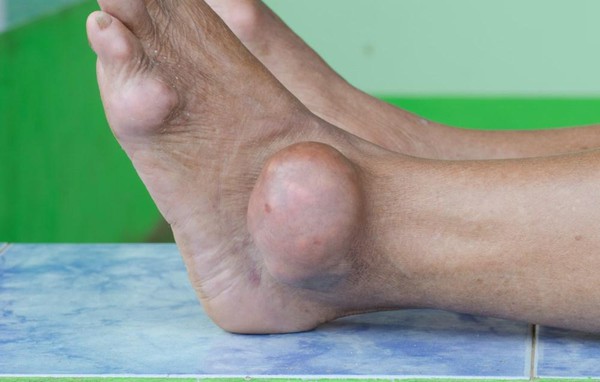
Seek medical care if swelling:
- Appears suddenly
- Affects only one leg
- Comes with chest pain or shortness of breath
- Causes severe pain
- Does not improve
- Is accompanied by redness or warmth
Persistent swelling should always be evaluated to rule out more serious conditions.
Tips That May Help Reduce Mild Swelling
For temporary swelling, experts often recommend:
- Elevating the feet
- Staying active
- Reducing sodium intake
- Wearing comfortable shoes
- Avoiding sitting or standing too long
- Drinking enough water
Final Thoughts
Swollen feet are common and are often caused by harmless factors such as heat, long periods of standing, or fluid retention. However, persistent or severe swelling can sometimes signal circulation problems, heart issues, kidney disease, or other medical conditions.
Paying attention to additional symptoms and seeking medical advice when necessary can help identify the underlying cause early.
Sources
- Mayo Clinic
- Cleveland Clinic
- American Heart Association