Up to 3 Months Before a Heart Attack, the Body May Send These 5 Warning Signs
Heart attacks often seem sudden, but in many cases, the body may begin showing warning signs weeks or even months earlier. Unfortunately, these symptoms are sometimes mild, vague, or mistaken for stress, aging, or everyday fatigue.
Recognizing possible early signs of heart trouble may help people seek medical attention sooner. While these symptoms do not always mean a heart attack is coming, experts say they should never be ignored — especially when several appear together.
Here are 5 warning signs that may appear before a heart attack.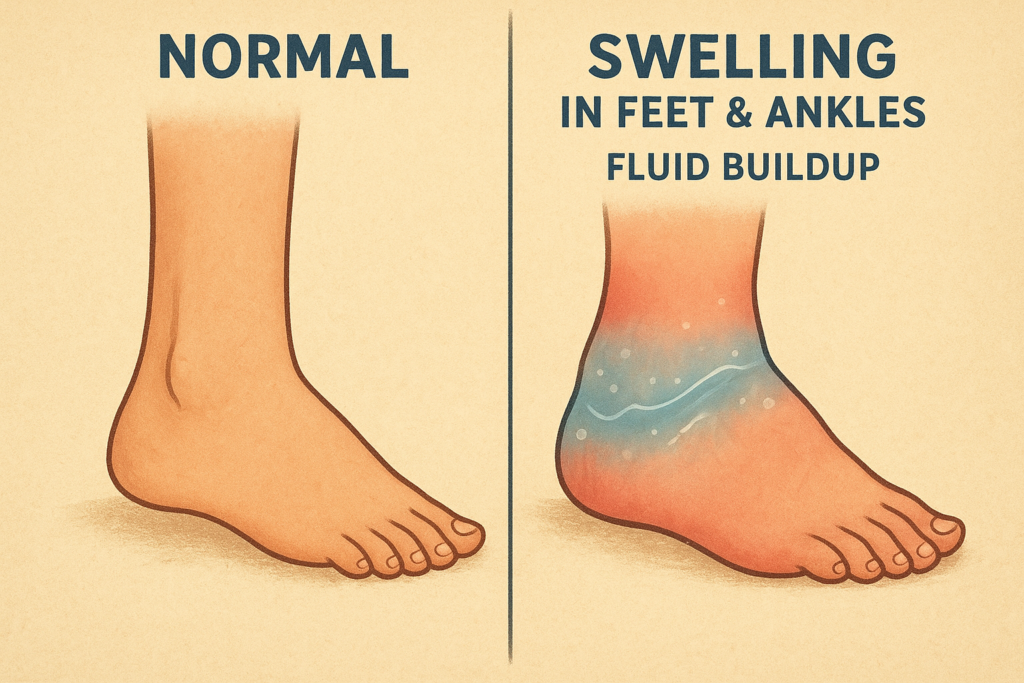
1. Unusual Fatigue
Extreme or unexplained fatigue is one of the most commonly reported symptoms before a heart attack, especially in women.
People may notice:
- Feeling exhausted after simple activities
- Lack of energy despite getting enough rest
- Difficulty completing daily tasks
- Persistent tiredness lasting days or weeks
According to the American Heart Association, unusual fatigue can sometimes occur before serious heart problems because the heart may not be pumping efficiently.
2. Chest Discomfort or Pressure
Chest discomfort is one of the best-known warning signs of heart trouble.
It may feel like:
- Tightness
- Pressure
- Burning
- Fullness
- Squeezing pain
Some people experience mild discomfort that comes and goes rather than severe pain.
The Mayo Clinic explains that heart-related chest discomfort may last for several minutes or repeatedly return over time.
3. Shortness of Breath
Difficulty breathing can sometimes appear before a heart attack, even without chest pain.
People may notice:
- Becoming winded easily
- Trouble catching their breath
- Shortness of breath during light activity or rest
- Feeling unable to take a deep breath
This can happen because the heart and lungs work closely together, and reduced heart function may affect oxygen circulation.
4. Pain in Other Areas of the Body
Heart-related pain is not always limited to the chest.
Discomfort may spread to:
- The arms
- Back
- Neck
- Jaw
- Shoulders
- Upper stomach
In some cases, the pain may feel dull, aching, or intermittent rather than sharp.
The Centers for Disease Control and Prevention (CDC) notes that pain or discomfort in the upper body can be a warning sign of a heart attack.
5. Sleep Problems or Sudden Sweating
Some people report changes in sleep patterns before a heart attack.
Possible symptoms include:
- Difficulty sleeping
- Waking frequently during the night
- Feeling restless
- Night sweats or cold sweats
Sudden sweating without obvious physical exertion may also occur and should not be ignored if combined with other symptoms.
Who Is at Higher Risk?
Certain factors can increase the risk of heart attack, including:
- High blood pressure
- Smoking
- Diabetes
- High cholesterol
- Obesity
- Lack of exercise
- Chronic stress
- Family history of heart disease
Risk generally increases with age, but heart attacks can happen in younger adults as well.
When to Seek Medical Help
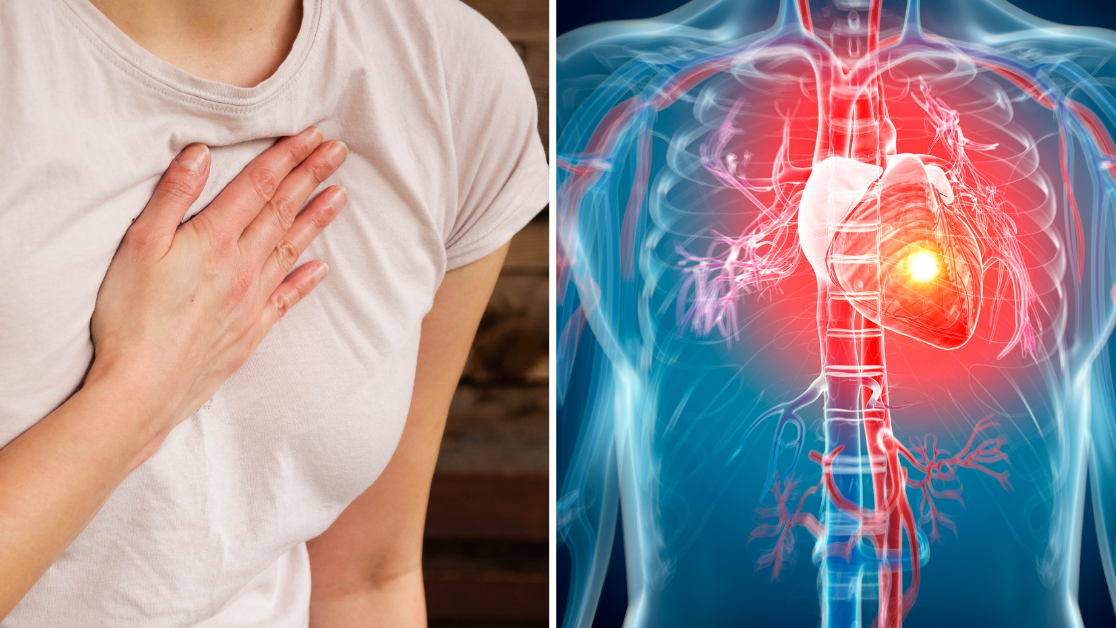
It is important to seek medical attention if you experience:
- Chest pressure or pain
- Sudden shortness of breath
- Pain spreading to the arm or jaw
- Severe sweating or dizziness
- Symptoms that suddenly worsen
Early treatment may reduce damage to the heart and improve survival rates.
Final Thoughts
The body sometimes sends subtle warning signs before a heart attack occurs. Symptoms like unusual fatigue, chest discomfort, breathing problems, or unexplained pain should never be ignored — especially in people with heart disease risk factors.
Paying attention to these changes and speaking with a healthcare professional may help detect problems earlier.
Sources
- American Heart Association
- Mayo Clinic
- Centers for Disease Control and Prevention (CDC)