💧 WHAT THE COLOR OF YOUR URINE CAN TELL YOU ABOUT YOUR HEALTH
Have you ever looked down before flushing and noticed that your urine looked darker, clearer, or even a completely different color? 👀
It may be easy to ignore—but urine color can sometimes provide useful clues about hydration, food, medications, and certain health conditions.
That said, urine color alone cannot diagnose a disease. Many temporary color changes are completely harmless.
Here’s what some common colors may mean:
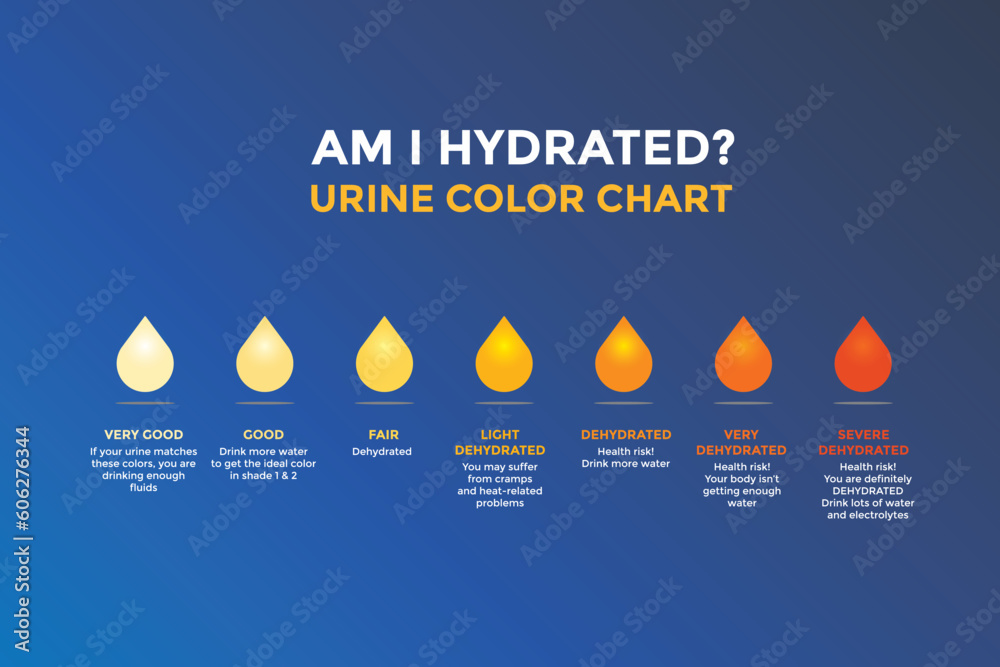
💛 PALE YELLOW — Usually Normal

Pale yellow to light yellow is generally considered a normal urine color.
The shade is strongly influenced by how much fluid you drink. More fluid dilutes the natural yellow pigments in urine, making it lighter. When you drink less, urine tends to become more concentrated and darker.
🟡 DARK YELLOW OR AMBER — You May Need More Fluids
Darker yellow or amber urine can occur when you're dehydrated.
If you've been sweating heavily, exercising, spending time in hot weather, or simply haven't had enough fluids, your urine may become noticeably darker. Drinking enough fluids can help bring it back toward a lighter yellow.
However, hydration needs vary from person to person, so urine color shouldn't be used as the only measure of hydration.
🟠 ORANGE — Pay Attention
Orange urine can sometimes be caused by dehydration, certain vitamins, foods, or medications.
But persistent orange urine may also be associated with problems involving the liver or bile ducts—particularly if it occurs together with yellowing of the skin or eyes or unusually pale stools.
If you notice these symptoms, it's worth talking with a healthcare professional.
🔴 PINK OR RED — Don't Automatically Ignore It
Red or pink urine can sometimes result from foods such as beets, blackberries, or rhubarb.
But it can also indicate blood in the urine. Blood may occur with urinary tract infections, kidney stones, prostate problems, and other conditions. In some cases, it can be associated with more serious diseases.
Because it's difficult to tell simply by looking whether red urine is caused by food or blood, unexplained red or pink urine deserves medical attention.
🟤 DARK BROWN OR COLA-COLORED — Get It Checked
Dark brown or cola-colored urine can have several causes.
Certain foods and medications may produce this color, but it can also occur with some liver or kidney disorders. Extremely strenuous exercise can sometimes cause muscle injury that leads to tea- or cola-colored urine as well.
If this color appears without an obvious explanation, especially if it persists, contact a healthcare professional.
🟢 GREEN OR 🔵 BLUE — Strange, But Not Always Dangerous
Green or blue urine may look alarming, but food dyes, medications, vitamins, and certain medical dyes can cause these unusual colors. In rarer situations, infections or other medical conditions may also play a role.
So don't panic—but don't ignore a persistent unexplained change either.
☁️ CLOUDY OR MILKY URINE
Cloudy urine can sometimes be caused by dehydration, urinary tract infections, or kidney stones. However, cloudy urine by itself doesn't necessarily mean you have an infection. Other symptoms and, when appropriate, urine testing are needed to determine the cause.
🚨 WHEN SHOULD YOU SEE A DOCTOR?

Pay closer attention if a urine color change:
• Lasts for several days without an obvious explanation
• Keeps returning
• Appears red or contains visible blood
• Becomes dark brown or cola-colored
• Occurs together with pain or burning when urinating
• Happens with fever, chills, or other concerning symptoms
• Occurs together with yellow skin or eyes
A urinalysis can provide much more information than color alone. Healthcare professionals can test urine for blood, protein, bacteria, and other substances that may point toward urinary tract or kidney problems.
💧 THE BOTTOM LINE
Your urine isn't a perfect “health test,” but its color can sometimes give you a useful clue about what's happening in your body.
A temporary change may simply come from what you ate, how much you drank, or a medication you're taking.
But when an unusual color persists—or appears alongside other symptoms—it's better to investigate rather than simply ignore it.
👉 The next time you use the bathroom, take a quick look. Your urine may be giving you a clue—but remember, only proper medical evaluation can determine the real cause.
Sources: Mayo Clinic; Cleveland Clinic.