But there is a question that many people rarely consider: Can kissing someone who has died expose you to health risks?
The answer is more complicated than a simple yes or no.
A deceased person's body does not automatically become dangerous to touch or kiss. In many circumstances, especially when the person died from a noninfectious cause and the body has been properly handled, the risk of infection from a brief farewell kiss is low. However, certain infectious diseases, bodily fluids, open wounds, and changes that occur after death can create potential exposure risks.
This is why healthcare professionals and funeral workers follow specific precautions when handling deceased individuals. These precautions are not intended to prevent families from expressing love or saying goodbye. They are designed to protect everyone involved while treating the deceased with dignity.
Understanding the possible risks can help families make informed decisions without unnecessary fear or guilt.
So, what happens to the human body after death? Which infections may still pose a risk? Is kissing the forehead safer than kissing the lips? And what should families know before approaching a deceased loved one?
Here is what you need to understand.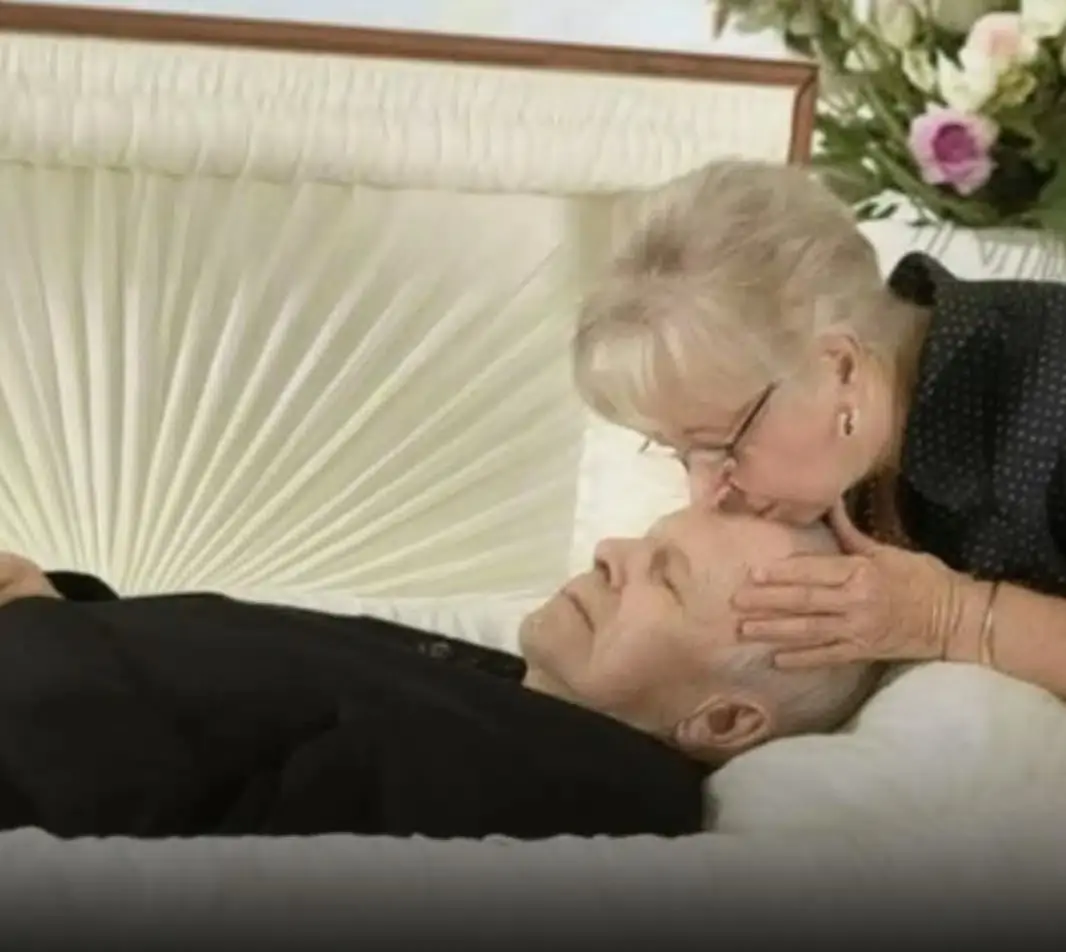
Chapter 1: Does a Deceased Person's Body Become Dangerous Immediately After Death?
One of the most common misconceptions about death is that a person's body immediately becomes a source of dangerous infection.
This is not accurate.
Death marks the end of the body's vital functions, including circulation, breathing, and the coordinated activity of organs. However, microorganisms do not all disappear when the heart stops beating.
The human body naturally contains bacteria and other microorganisms. Many live harmlessly in the digestive tract, on the skin, and in other parts of the body while a person is alive.
After death, normal immune defenses and circulation stop. The body also begins undergoing physical and chemical changes. Over time, these changes create conditions that allow microorganisms already present in the body to multiply and contribute to decomposition.
However, this process does not mean that every deceased person carries a dangerous infection.
What happens during the first hours after death?
Several natural changes occur after death.
Cooling of the body: Body temperature gradually moves toward the surrounding temperature. This process is known as algor mortis.
Rigor mortis: Muscles gradually become stiff because the biochemical processes that normally allow them to relax are no longer functioning. This stiffness typically develops during the hours after death and eventually disappears.
Livor mortis: Blood settles under the influence of gravity, producing purplish discoloration in certain areas of the skin.
Decomposition: Cells and tissues begin breaking down. Bacteria, particularly those naturally present in the digestive tract, contribute to this process.
These changes are normal biological processes. They do not automatically mean that a body is infectious.
Does the body release dangerous bacteria after death?
Microorganisms may continue to multiply in a deceased body, especially as decomposition progresses.
However, the presence of bacteria does not necessarily mean that they can infect another person through ordinary contact.
Infection requires a suitable pathogen, a route of transmission, and sufficient exposure. For example, touching intact skin is very different from allowing infected blood or bodily fluids to enter an open wound, the eyes, or the mouth.
This distinction is important because it prevents unnecessary fear.
A brief kiss on intact skin is not equivalent to direct exposure to infected blood or other potentially infectious fluids.
Nevertheless, the cause of death, the condition of the body, and the type of contact all matter.
Chapter 2: Which Infections Can Potentially Remain a Risk After Death?
The most important factor when considering contact with a deceased person is the cause of death.
Some infectious diseases can remain transmissible after death, particularly when the body contains infectious blood, respiratory secretions, or other bodily fluids.
Other illnesses do not create a meaningful risk through ordinary contact with the deceased.
The following examples help explain why certain precautions are necessary.
1. Bloodborne infections such as hepatitis B, hepatitis C, and HIV
Bloodborne infections are among the conditions that require particular attention when handling human remains.
Hepatitis B virus (HBV), hepatitis C virus (HCV), and human immunodeficiency virus (HIV) can be transmitted through specific exposures involving infected blood.
For example, transmission may occur when infected blood enters another person's bloodstream through:
-
A needlestick or puncture wound.
-
A cut or open wound.
-
Damaged skin.
-
The mucous membranes of the eyes, nose, or mouth.
The risk depends on the type of exposure and the infection involved.
Hepatitis B is particularly important because the virus can remain infectious on contaminated surfaces for at least seven days under certain conditions.
Hepatitis C can also be transmitted through blood exposure.
HIV is much more fragile outside the human body than hepatitis B and does not spread through casual contact, touching, or ordinary social interaction.
A simple kiss on intact skin does not provide the usual route for transmitting these bloodborne infections.