2. Follow the funeral provider's instructions
Funeral professionals are trained to handle remains according to applicable health and safety procedures.
If they advise against direct contact, it is important to understand that the recommendation may be based on a specific infection risk rather than a general belief that every deceased body is dangerous.
Do not remove protective coverings or ignore instructions about restricted areas.
3. Avoid contact with visible fluids or open wounds
Regardless of the cause of death, avoid touching blood, drainage, or other bodily fluids.
Do not kiss areas where the skin is damaged or where fluids are present.
If the body has undergone significant decomposition, direct contact should be avoided unless funeral professionals confirm that it is appropriate.
4. Practice hand hygiene
Wash your hands after touching the deceased person or funeral equipment.
Use soap and running water, rubbing all surfaces of the hands for at least 20 seconds.
If you are handling potentially infectious materials as part of a formal care process, additional protective measures may be necessary.
5. Consider alternative ways to express affection
When direct contact is not recommended, families can still create meaningful moments of farewell.
Some alternatives include:
-
Holding a loved one's photograph.
-
Saying a personal goodbye.
-
Placing flowers near the coffin.
-
Touching the outside of the coffin when permitted.
-
Sharing memories with family members.
-
Writing a final message or letter.
-
Participating in a memorial ceremony.
These gestures can be just as meaningful as physical contact.
Chapter 9: Why Public Health Precautions Matter During Certain Funerals
Funeral traditions differ across cultures and communities.
In some traditions, family members wash the deceased, dress the body, touch the face, or give a final kiss. These practices may carry deep religious, emotional, and cultural meaning.
However, when someone dies from a highly infectious disease, traditional practices may need to be modified.
The Ebola outbreaks in parts of Africa demonstrated why this issue matters.
During outbreaks, direct contact with the bodies of people who died from Ebola created a significant risk of transmission. Traditional burial practices involving washing, touching, and kissing could expose family members to infectious bodily fluids.
Public health authorities therefore worked with communities to develop safer burial procedures.
These procedures aimed to protect families while respecting cultural and religious needs as much as possible.
This experience illustrates an important principle: infection-control guidance should be based on the specific disease and exposure risk, not on generalized fear of deceased bodies.
For most deaths caused by noninfectious conditions, the risk from ordinary contact is very different from the risk associated with highly infectious diseases.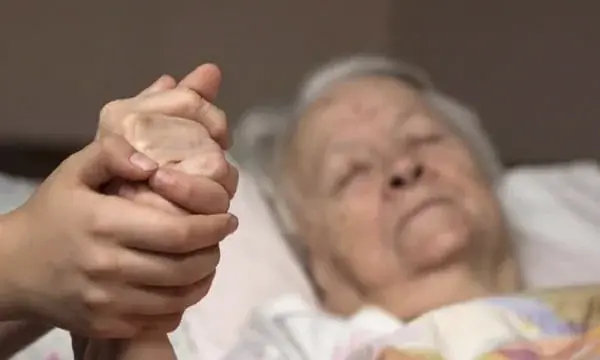
Chapter 10: The Emotional Side of Saying One Final Goodbye
Health discussions about death often focus on bacteria, viruses, and physical risks. But there is another side that deserves attention: grief.
For many people, kissing a deceased loved one is not simply a physical gesture. It may represent years of affection, gratitude, respect, and a final expression of love.
Some people feel comforted by being able to touch the person's hand or kiss their forehead. Others prefer to remember the person as they were in life and choose not to approach the body.
Both responses are normal.
There is no single correct way to say goodbye.
People should not feel pressured to kiss a deceased loved one because relatives expect it. Equally, they should not feel ashamed if they chose to express affection through physical contact when no special precautions were indicated.
If a family is told that direct contact is unsafe, this does not mean they must abandon their farewell rituals. They can ask funeral professionals about alternatives that respect their beliefs and protect their health.
Grief is deeply personal. A final gesture of love does not have to involve physical contact to be meaningful.
Final Thoughts: Respect the Deceased, Protect the Living
The idea that kissing a deceased person is always dangerous is an exaggeration. A deceased body does not automatically become infectious, and brief contact with intact skin generally carries a low risk when there is no known high-risk infection or contamination.
However, certain situations require real caution.
Bloodborne infections, tuberculosis-related exposure during certain procedures, gastrointestinal pathogens, and highly infectious diseases such as Ebola can create risks when people come into contact with contaminated blood, respiratory secretions, or other bodily fluids.
The cause of death, the condition of the body, and the type of contact all matter.
A brief kiss on the forehead is not the same as direct contact with blood or an open wound. Likewise, a family member saying goodbye at a funeral faces a different exposure situation from a professional performing an autopsy.
If a loved one died from a known infectious disease, always follow instructions from healthcare and funeral professionals. If potentially infectious blood or bodily fluids entered your mouth, eyes, or an open wound, seek medical advice promptly.
Most importantly, remember that protecting your health does not diminish your love for the person who has passed away.
You can honor someone, express affection, and say a meaningful final goodbye while still respecting appropriate safety precautions.
The most important message is not that you should never kiss a deceased loved one. It is that you should understand the circumstances, recognize genuine infection risks, and make an informed decision rather than acting out of fear or relying on misinformation.